Book review: Ireland as told to Uncle Gaybo
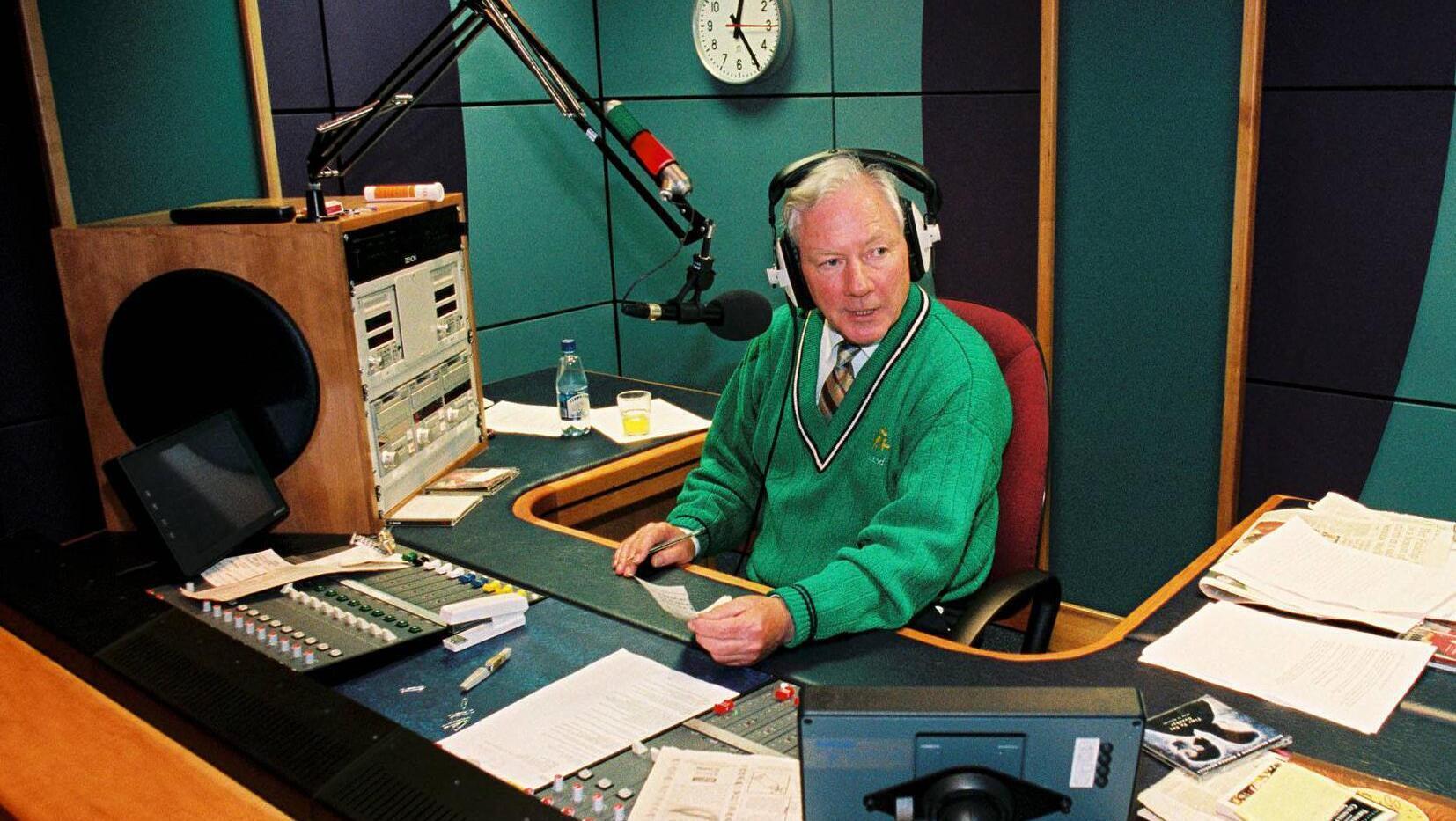
Gay Byrne knew that 'people wanted to listen to each other, not to him' so frequently he would read out letters without comment
Book review: Ireland as told to Uncle Gaybo

Gay Byrne presenting his radio show from Dublin in 1997: first broadcast in 1973 it was the first show on Irish radio to invite listeners to contribute interactively. 

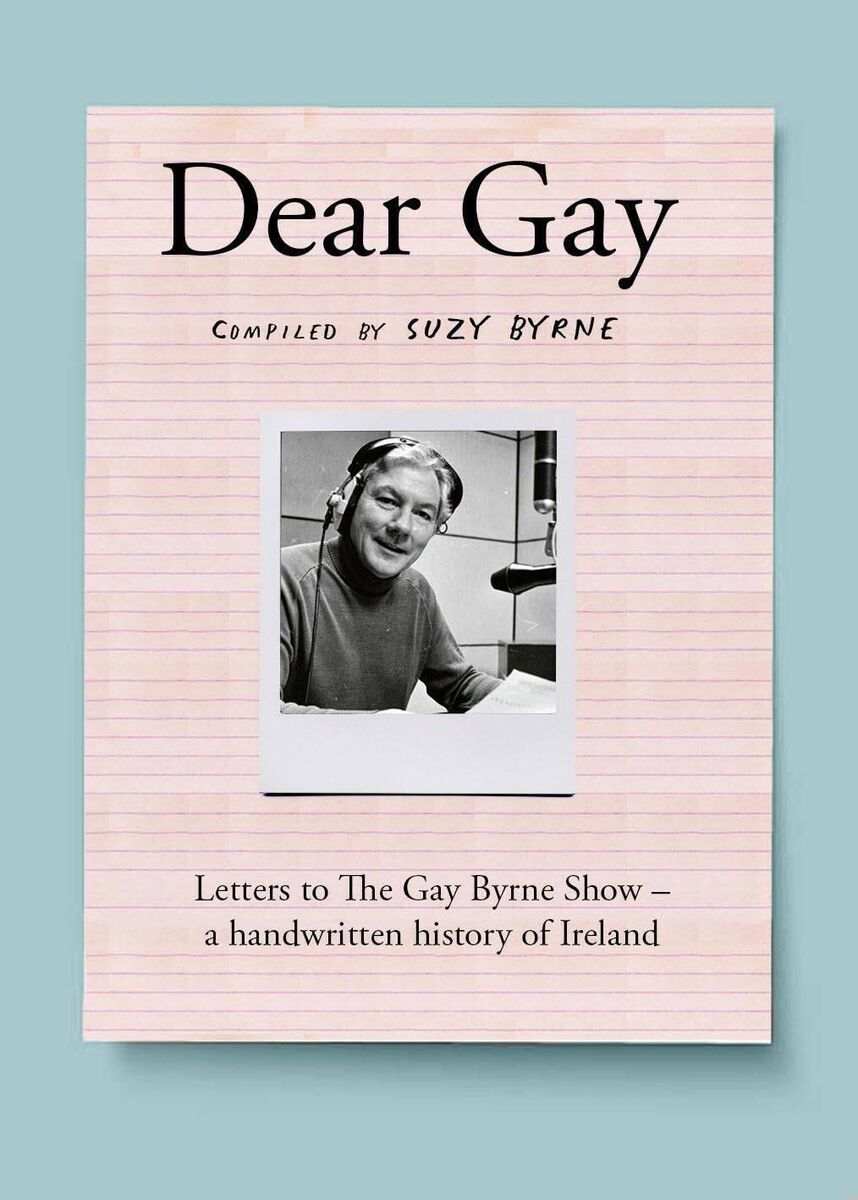
  • Dear Gay: Letters to The Gay Byrne Show – a handwritten history of Ireland 
  • Compiled by Suzy Byrne 
  • Gill Books, €25 

The Gay Byrne Hour,  as it was originally called when first broadcast on February 2, 1973, was the first show on Irish radio to invite listeners to contribute interactively. 

That’s how his daughter Suzy introduces this fascinating selection of some of the letters received over the years until his retirement in 1998.

Listeners wrote in about a huge range of subjects, from emigration to single mothers, alcoholism to homosexuality; they wrote about tragic events in their lives, challenges they faced, but also about funny or touching experiences. 

The show included a ‘Perfect Partner’ segment around Valentine’s Day.

Gay knew that “people wanted to listen to each other, not to him” so frequently he would read out letters without comment. 

Airing issues encouraged discussion and debate. Listeners added to what had been revealed in earlier contributions, so that gradually over the months and years attitudes changed.

That’s what Suzy describes as “the community of listeners in conversation with each other”. 

Some of the saddest letters are about marriages which were never consummated; so are those about domestic abuse, of how a partner could be a ‘street angel’ and a ‘house devil’. 

What is amazing now is to read letters revealing frightening ignorance about menstruation and pregnancy.

The Catholic Church was a huge influence, of course, but so was what neighbours thought, or might think, about a baby born out of wedlock, for instance.

Today’s young women will find it hard to believe the restrictions and injustices their mothers and grandmothers had to endure, and it was not very long ago.

The broadcasting of the letters to The Gay Byrne Show played a huge role in changing Ireland.

Among the most memorable were those written in reaction to the death of schoolgirl Ann Lovett and her baby son at a grotto in Granard, Co Longford, in 1984.

“Long-held secrets began to emerge in the 1980s,” writes Suzy.

Listeners wrote about how unmarried mothers were treated. 

One letter that stands out was from a nurse who had worked in the Navan Rd home for unmarried mothers, who recalled a nun saying: “Another slut outside the door.”

Some were not outraged, as one listener wrote: “In those days the people that are now condemning the religious orders would not themselves have anything to do with illegitimate children, and they were right because they understood the dangers that illegitimacy would be to proper breeding of future generations.”

Unemployment blighted the country more than once during the years of The Gay Byrne Show, and there are moving letters from people suffering the stigma and shame of not being able to provide for their families. 

However, not all listeners were sympathetic, with some criticising people on social welfare or suggesting that there were lots of jobs.

Incest, sexual abuse, being homosexual when it was still illegal, were among the secrets revealed on the airwaves. 

Among the scandals exposed was the treatment of Christine Buckley and other children in Goldenbridge Orphanage and other institutions, which eventually led to the Commission to Inquire into Child Abuse, usually called the Ryan Report.

There’s a lovely scene Suzy recalls when her children recited the WH Auden poem ‘Stop All the Clocks’, and her father asked if they knew it was for Auden’s special friend. 

The children inform their grandfather that he’s wrong, it was for his husband. Gay’s response was: “Isn’t that just wonderful!” How Ireland has changed.

Gill Books has produced a very attractive book, with the text broken up by photographs and reproductions of some letters. 

Older readers will be reminded of our past, while the young will learn a lot aboutIreland’s recent history.

x

More in this section

Scene & Heard

Newsletter

Music, film art, culture, books and more from Munster and beyond.......curated weekly by the Irish Examiner Arts Editor.

Cookie Policy Privacy Policy Brand Safety FAQ Help Contact Us Terms and Conditions

© Examiner Echo Group Limited