Books of the year: Empty Bed Blues on death leading to a life reborn
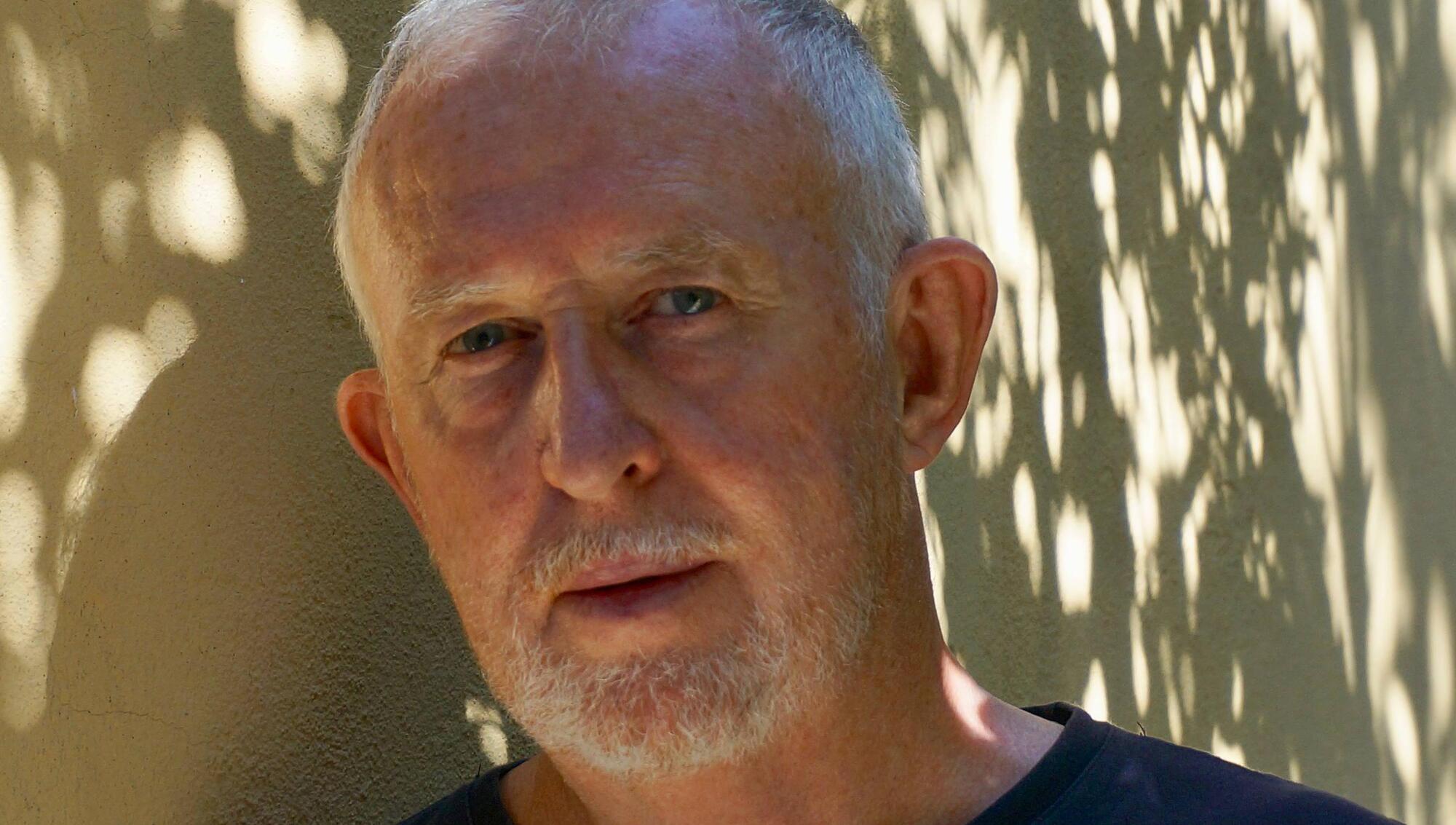
The Italian locale of William Wall’s novel is lovingly described. Picture: Liz Kirwan
- Empty bed Blues
- William Wall
- New Island Books, €15.95/Kindle, €8.47
Kate Holohan had a happy marriage. Or so she believed but when her husband dies suddenly, she discovers he’s left mountains of debt.
And when she opens the door to a strange woman, who hands her a bunch of keys she realises that the hidden debt was not the worst secret her late husband kept from her. There was also a long-term mistress and a ‘love nest’ in Italy.
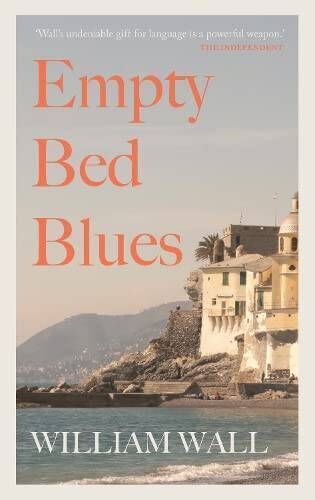
With her grief turned to a bitter anger, Kate is unwilling to take responsibility for her husband’s misdeeds, so she takes leave from her teaching job — she’s a Joycean scholar — and escapes to the house in the Italian fishing village of Camogli to regroup and find a new life.
After a rocky start, she settles well, mainly thanks to the friendship of an elderly, rather formidable neighbour, Anna Ferrante who, it turns out, is a communist and former resistance fighter.
Loving the companionship of the younger woman, Anna gives her practical support, helping her to understand her adopted home, and to find suitable work.
I’ve always loved Wall’s writing for his lyricism, his understanding of human nature, and his talent for evoking a sense of place. And in this, his seventh novel, the town of Camogli is so vividly, and lovingly described, it becomes a character in itself.
As well as exploring the friendship between the two women, the novel focuses on the Italian language, the food, and the politics with the kind of depth that only someone passionate about the country and the people could achieve.
He also injects a lot of humour.
It’s a thoughtful book with many literary references, and is one to read languorously. I absolutely loved it and recommended it to all my bookie friends.
Kate’s sense of betrayal leads her to make some rash, frankly irresponsible decisions, but she’s very real, and made a great narrator.
Through the course of three seasons, with the help of the friend she has come to admire as well as love, Kate begins to take charge of her life and to think about the difficult decisions she must make back in Ireland.
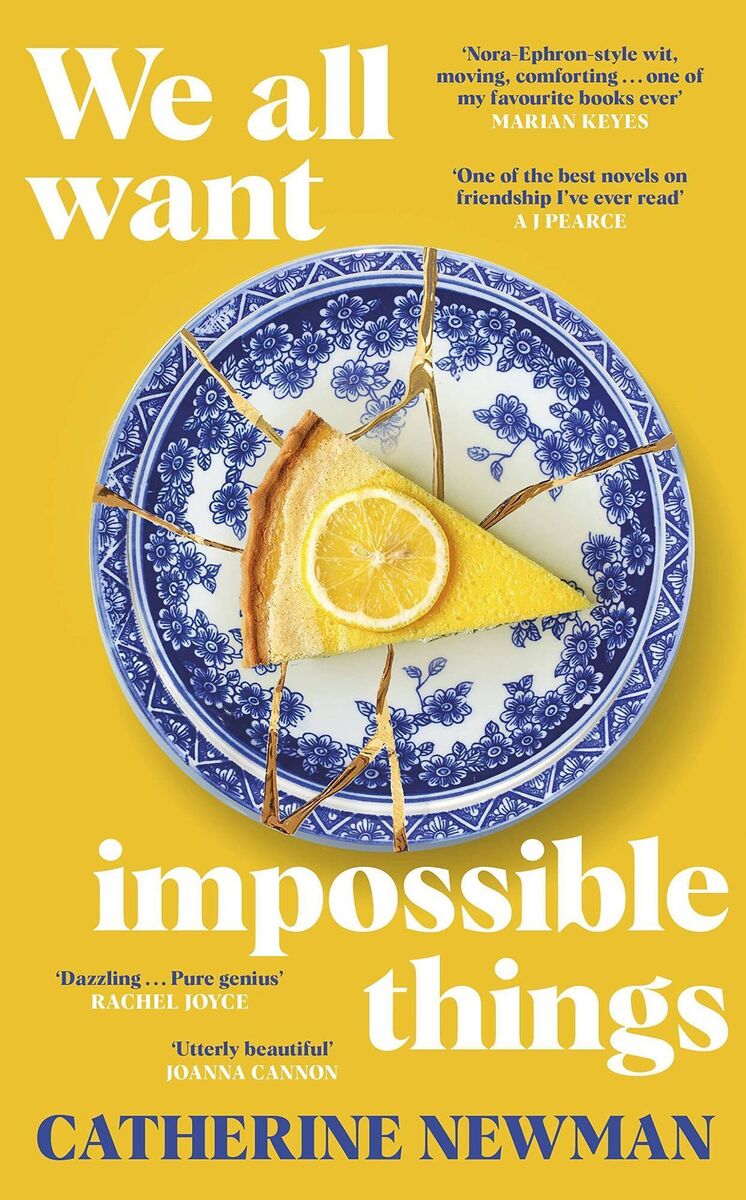
- We All Want Impossible Things
- Catherine Newman
- Doubleday, €12.60/Kindle, €3.48
The debut adult novel from the American writer, journalist, and blogger, Catherine Newman also focuses on friendship, but the setting, a hospice in Western Massachusetts could not be more different than Wall’s Italian village.
And it seemed an unlikely location for a book that has been compared to the novels of Nora Ephron and lauded for its snortingly funny humour.
Edi and Ash have been friends since childhood, but now Edi has ovarian cancer.
The novel starts when Ash is informed that her friend is now terminal and faces palliative care.
For practical reasons — all Edi’s local hospices are full — it makes sense for her to move to one near her best friend, even though this means parting from her husband and small son.
Any worry that this will make for a depressing read is dispelled from the first page, as it becomes obvious that in Newman’s hands, the devastating death of the mother of a young child will be managed in such a loving way, and with so much bubbling humour, that the reading experience becomes one of utter joy.
Ash will do anything to make her friend’s last days more bearable, from the most gruesome of personal care, to tracking down the Sicilian lemon polenta cake that Edi has set her heart on tasting one more time.

Ash’s own life is in somewhat of a flux. She’s insisted on a separation from the husband she still loves, and finds herself sleeping with a medley of unsuitable people, but the care she shows to her ex, her grown daughters, and the eccentric inhabitants of the hospice, makes this a shiningly inspirational read.
It’s also utterly authentic. But then, Newman knows her subject. She cared for her own best friend in the last stages of cancer and has since become a volunteer in a hospice.
I loved the characters, and in spite of, or maybe because of their messy lives, I was sad to say goodbye to them at the novel’s close.
I read this debut early in the year, but it has stayed with me, and I’ve not read another to touch it since.
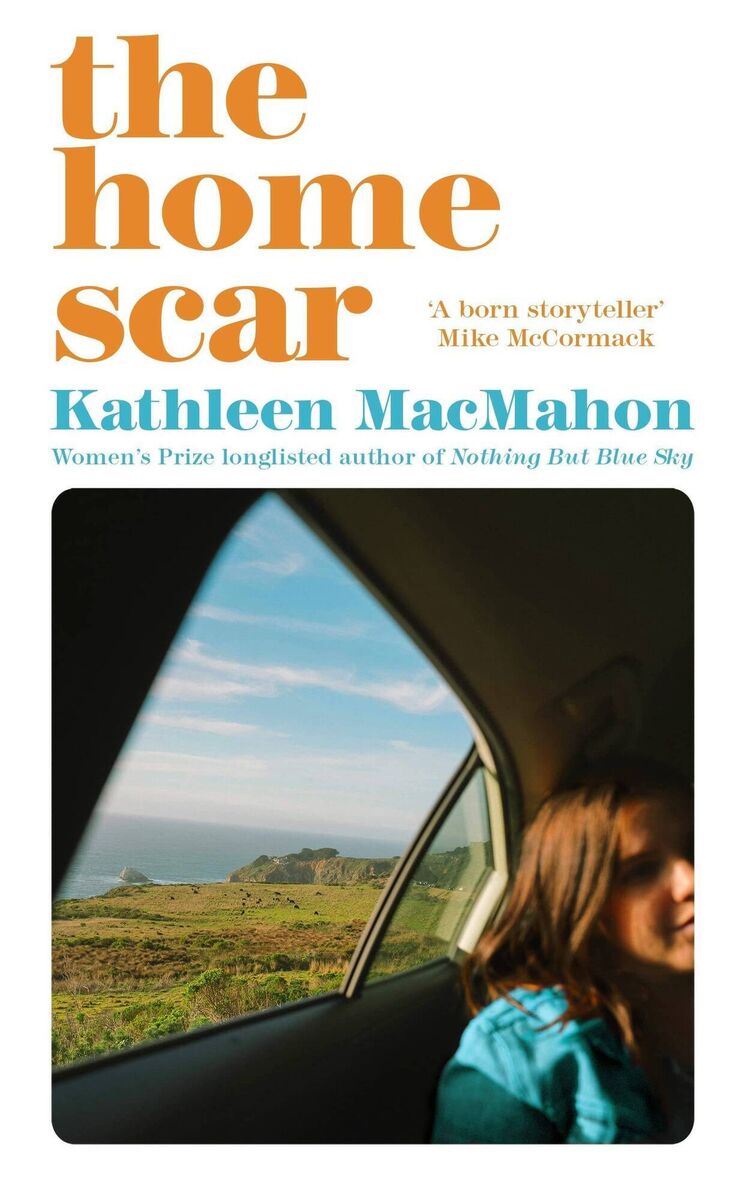
- The Home Scar
- Kathleen MacMahon
- Penguin Sandycove, €15.58/Kindle, €9.53
Ever since Kathleen McMahon turned from journalism to novel writing I’ve been a fan of her work. And with each book I’ve admired her more.
This fourth novel, , her most wide ranging yet, examines the fractured relationship between half-siblings Christo and Cassie, American children of two different rock star Dads whose complicated mother died young, and who have felt derailed by the loss ever since.
Christo has found his ‘safe’ environment. He’s a professor of maths at Cambridge University, and there, his eccentrically lonesome behaviour does not make him stand out as an oddity.
As for his emotionally complex younger sister, Cassie, she’s an artist living in Spain, with her lover, Eduardo, 20 years her senior, but is holding him at arm’s length, and seems scared of commitment, and of motherhood.
When Christo reads that a storm has uncovered a forgotten forest in Connemara, he rings his sister suggesting they should travel there to the village, where, as children, they spent a gloriously idyllic summer before their lives fell apart.
Cassie hesitates, seeming unwilling, or perhaps unable to confront the past, but Eduardo encourages her to go.
As the siblings travel, they start to reminiscence; they talk of Margaret, a woman who possessed the kind of mothering instincts that were missing in their own Mum, and her son, Seamus, who befriended the pair of them as children.
They remember visits to the beach, and to a water park, but most of all, they recall that feeling of security that summer gave them, a feeling they had never experienced when they were being dragged around the world on rock tours.
And how much was going on, that, as children, they failed to see?
Arriving in the village, they are bemused when the locals, who remember them clearly, view their return with rather less than enthusiasm.
As they come to understand the events of that summer, and the trauma that ended their holiday there, they start to reevaluate all that has happened since, and begin to make peace with the past.
They’re total opposites. There’s a wonderful scene on a beach on Omey Island, where Cassie watches as Christo picks his way across the sand, trying to negotiate puddles, because he’s too fastidious to remove his shoes and socks. But they start to find value in each other’s lives.
While it’s the emotional heft of this novel that keeps the pages turning, it’s the descriptions of Connemara and the author’s clear fascination with the landscape that make the novel shine. I adored it.