'It was like I was in a different world': Chris Rodmell returns to Inis Meáin after 50 years
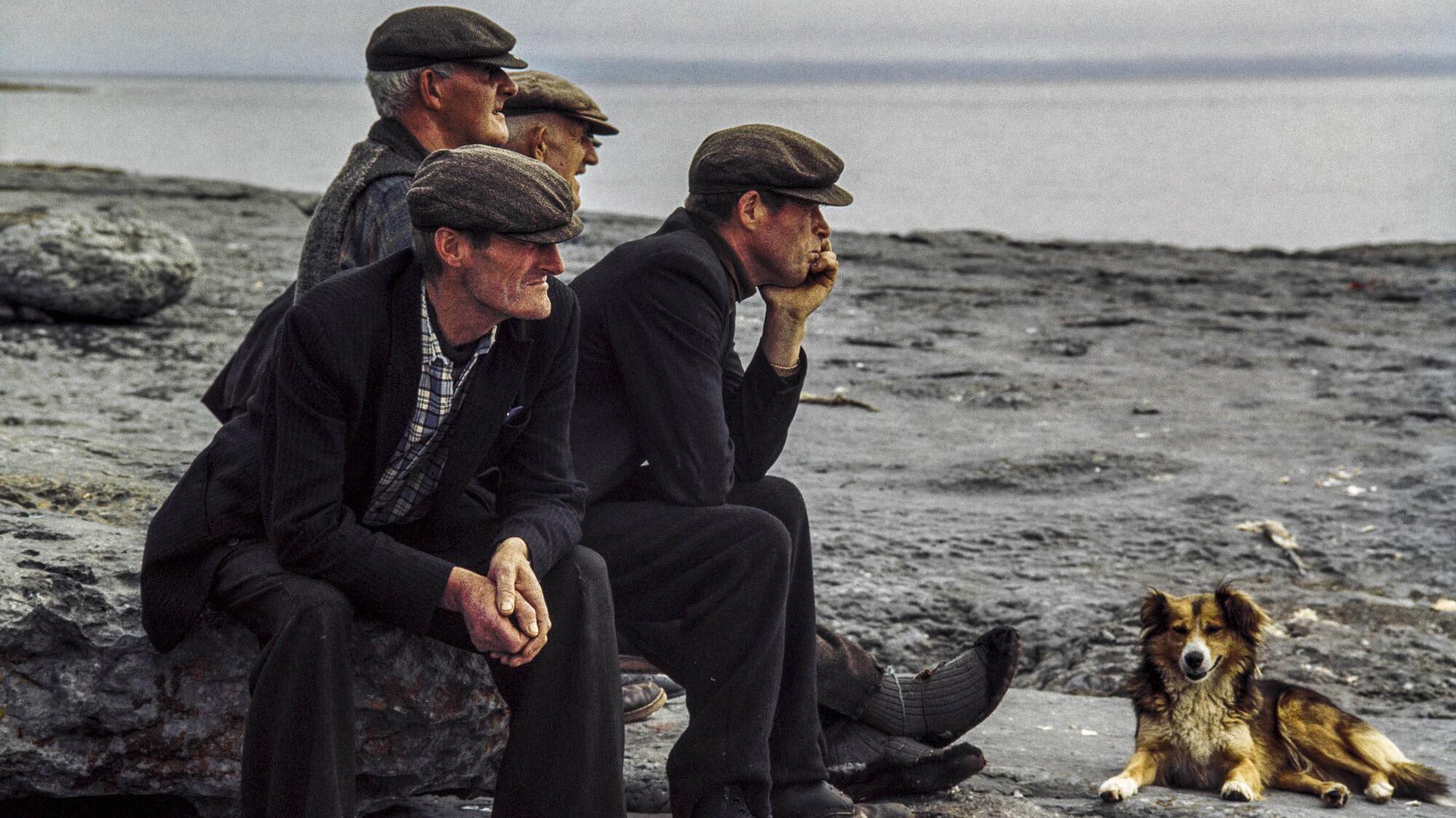
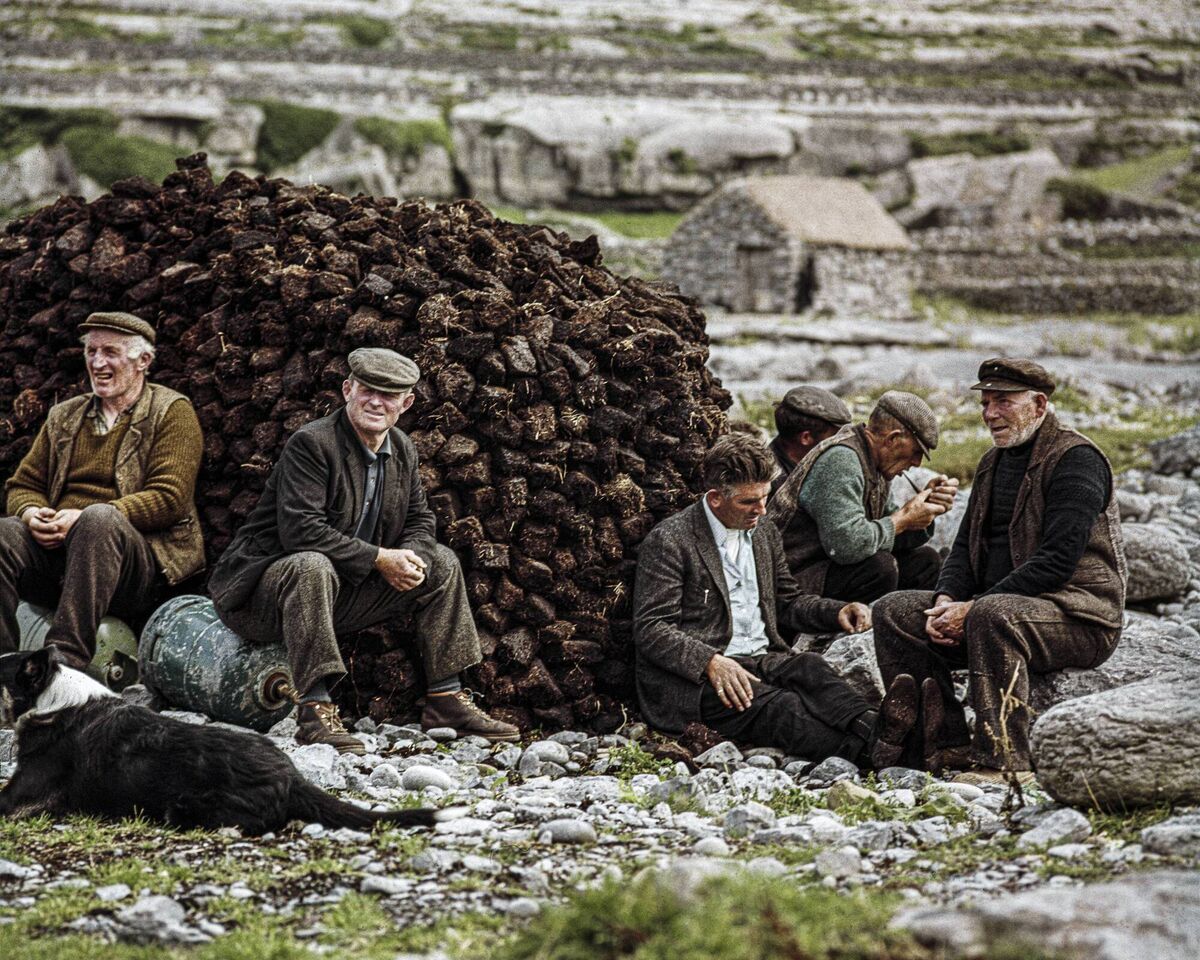
Four men and a dog on Inis Meáin in 1973, an image from the TG4 documentary Inis Meáin: Idir Dhá Linn. Picture: Chris Rodmell
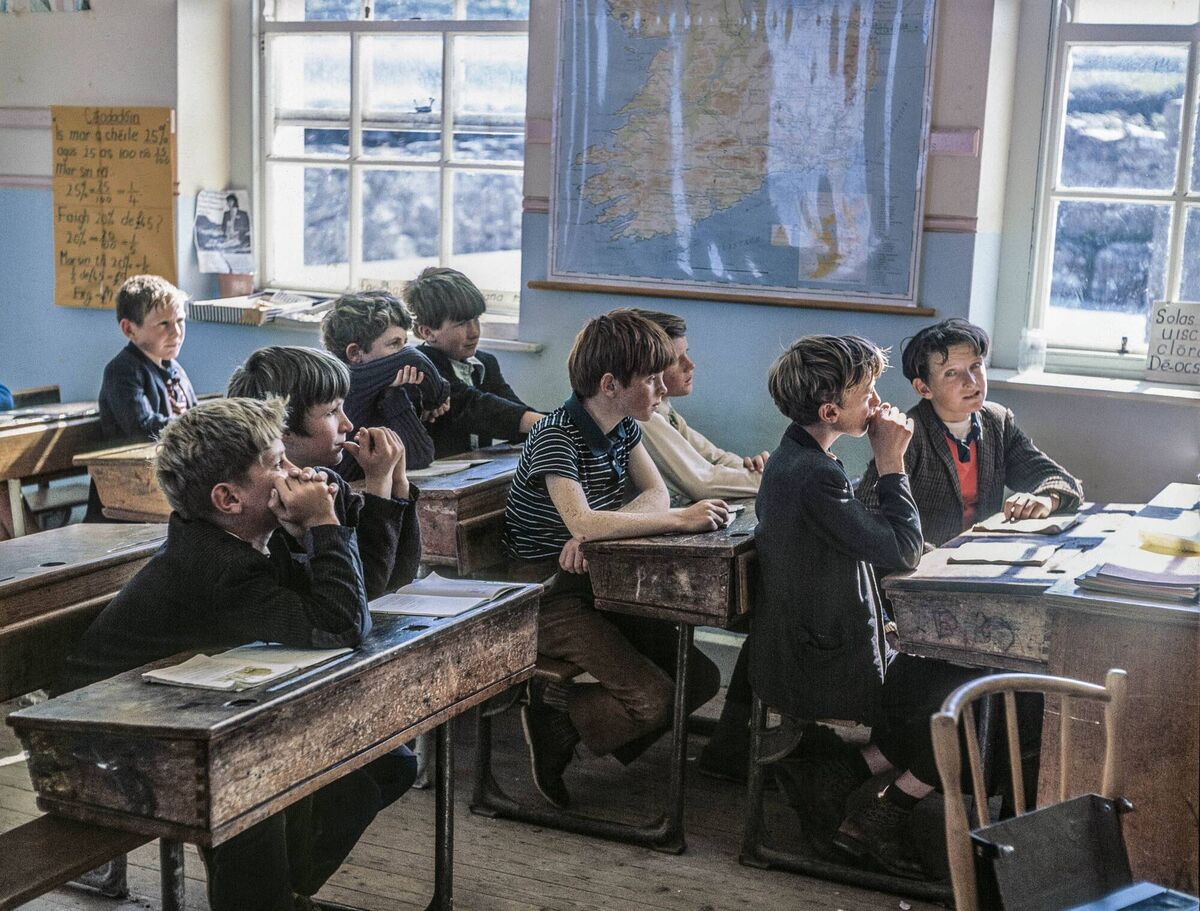
When Chris Rodmell visited the island of Inis Meáin off the west coast of Ireland In August 1973, it was unlike anything he had ever seen. The British film and photography student had won a bursary to make a documentary and a photo essay chronicling life on the middle of the three Aran Islands. The island had no running water or electricity, there were no cars and he had to hire a small fishing boat to transport him and his equipment there.
“It was considered to be the most primitive community in Western Europe. I couldn’t put any lights up to film anything because there was no power. It was like I was in a different world,” he recalls.
In the resulting film and images, Rodmell captured the everyday lives of a self-sufficient and resilient community on the cusp of immense change as modern society began to encroach on its seclusion.
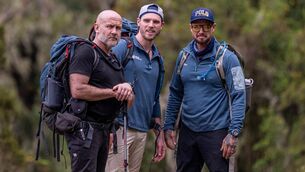
The documentary that Rodmell made was shown by the BBC in 1975 and is now held by the Irish Film Institute, while the images were acquired by major collectors from the US and Britain. This year, Rodmell returned to photograph the islanders, to mark the 50 years since his first visit. This time around, he had a film crew of his own in tow, documenting the occasion for Inis Meáin: Idir Dhá Linn, a programme to be screened on TG4 this week.
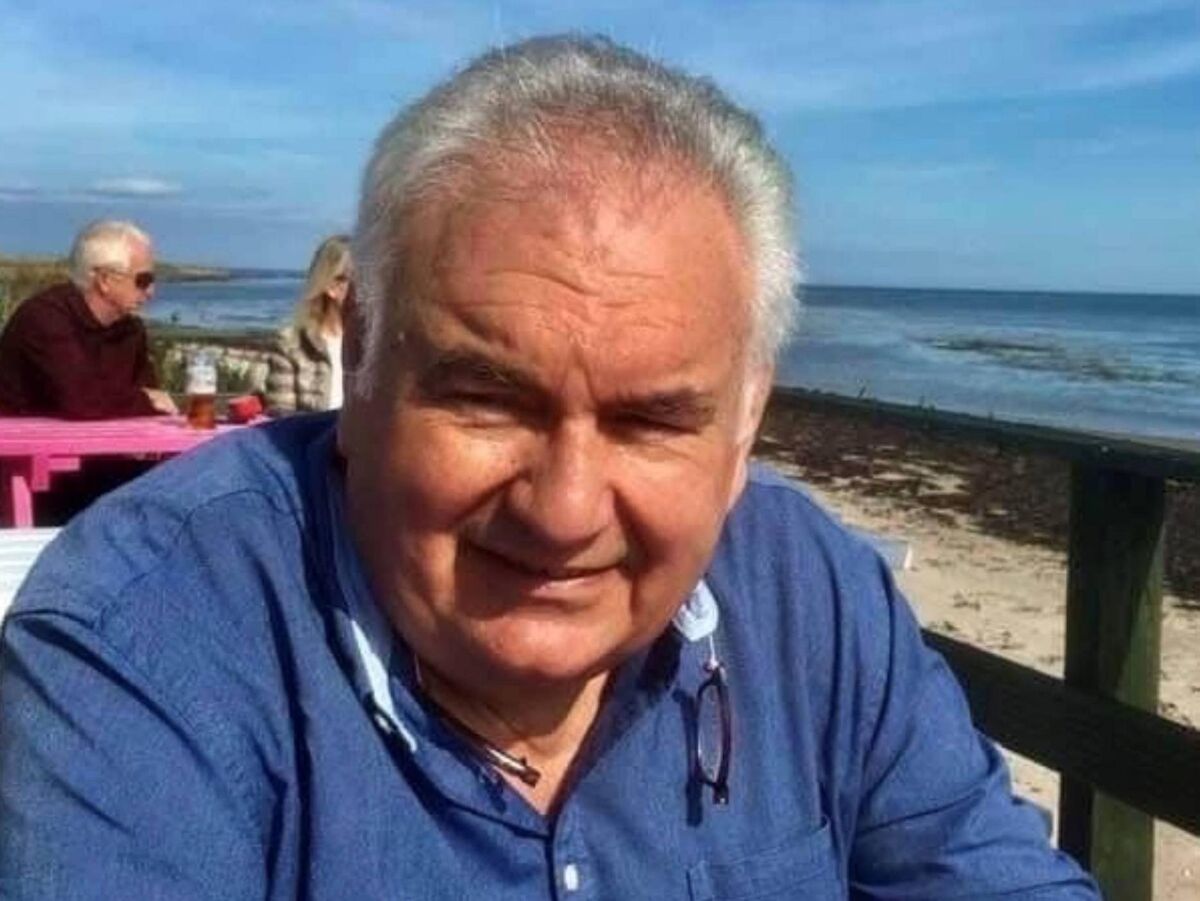
Rodmell sees the visit and the documentary as a natural bookending of an experience that has stayed with him all his life. As part of the project, he has also published a new book featuring juxtaposed images from 1973 and 2023. While he says that in many ways Inis Meáin is more like the mainland now, that the essence of the community has remained the same.
“What I was trying to find out was if there was still an island community, an island way of life. And I think there is, from what I could see,” he says.
When he originally visited the island in 1973, he was wary of how he would be received. “I never had any problems. I think they were more bemused than anything, there was no animosity or anything like that even though I was English. I didn’t shoot film for for a couple of days. I just walked around and got my face seen,” he says.
As the dominance of religion has receded in Ireland, the church on Inis Meáin is still an important community hub, as is documented in Rodmell’s photos of the rituals and customs around La Fhéile Bríde (St Brigid’s Day). On January 31, the eve of the saint’s day, all the young girls on the island visit every house with a Brídeog, a doll made of straw, reciting a prayer blessing each household.
“There was a service where they take the eggs and the periwinkles to the church as an offering and then bring the dolls in. They couldn't get the priest over, so one of the ladies there took the service. I had never seen it before in a Catholic church but they were very adamant that the service would take place,” says Rodmell.
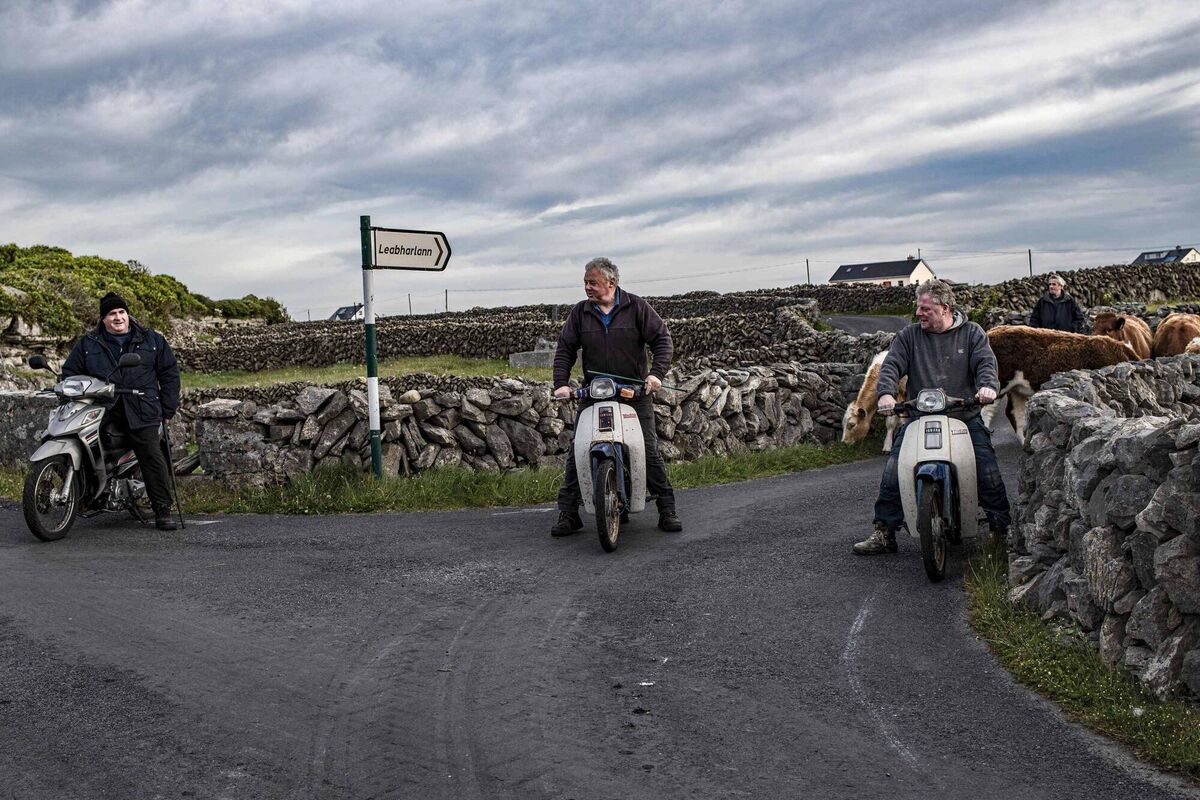
One of the most evident changes has been the impact of technology on the island, with the internet and latterly smartphones, allowing them to communicate in ways that would have been considered inconceivable in the early ’70s.
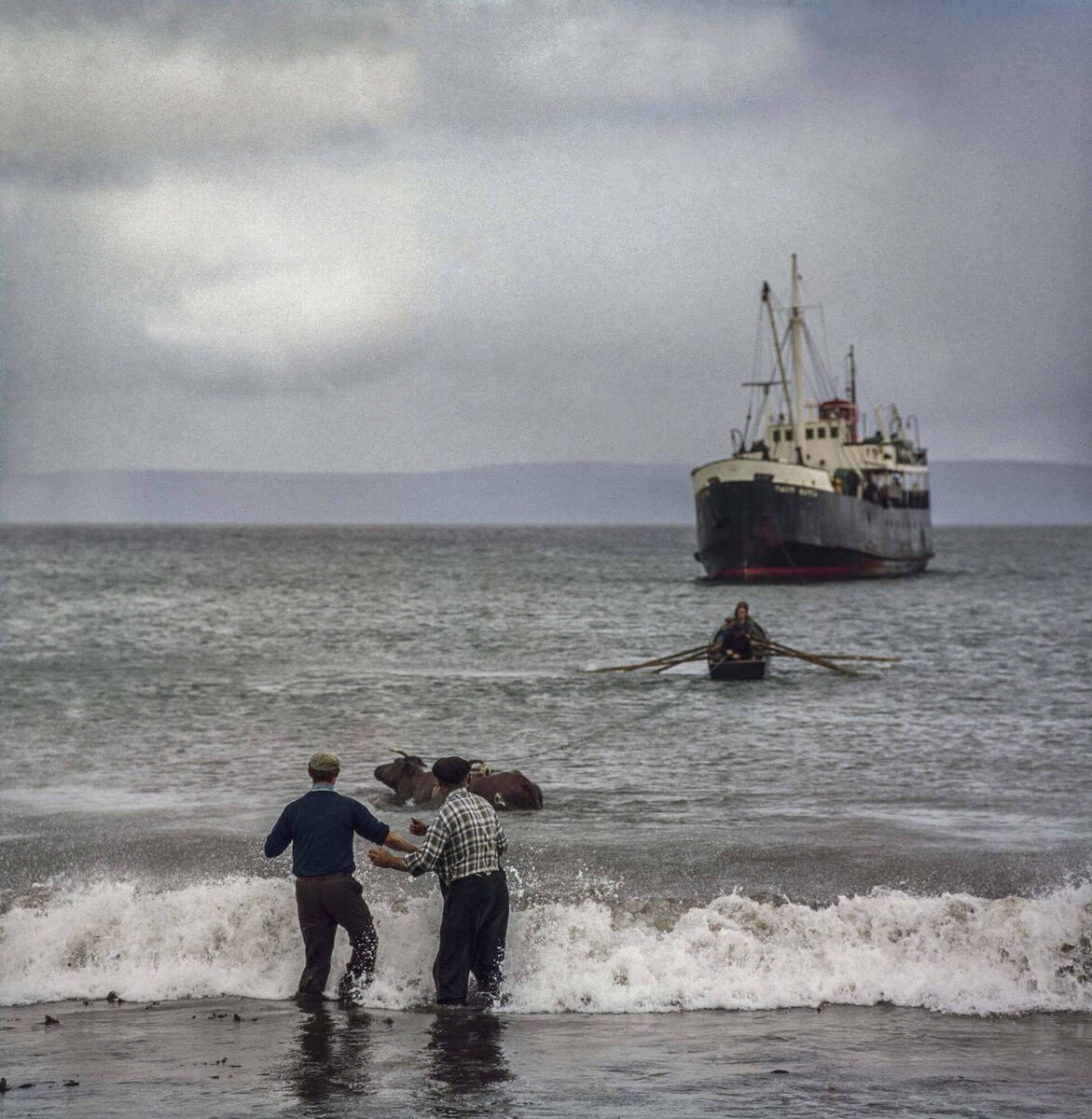
“It made me chuckle because I was on the WhatsApp and there would be a ping — the women were going swimming at a certain time, or the choir practice had been cancelled, all of that. And then there’s the practical side, the weather, tracking the boats coming in, when the ferries come. The technology is a massive change for them. They don't have to go down to the harbour, as it was in ’73, to meet everybody else and get the information firsthand.”
Technology has also impacted on Rodmell’s own creative approach this time around, with digital cameras giving him far more flexibility in terms of capturing images.
“I had considered whether I would replicate [the photographic process] as well but to be honest, after the first shoot in February, I realised the flexibility of being able to shoot digital in low light. Back in ’73, I was using a medium format camera which was bulky and quite slow to use.” While the TG4 documentary and book project has completed the creative circle for Rodmell, he says his connection with the island and its community remains.
“I’m still on the WhatsApp groups and I do keep in touch with a number of people that I consider friends. So I fully intend to go back.”
- Inis Meáin: Idir Dhá Linn is on TG4 on Thurs, Dec 28 at 9.20pm
- Inis Meáin 1973-2023 is available to order from www.rrbphotobooks.com