Book reviews: Celebrations of human spirit and optimism that drives our evolution
In his selection from 2023 Jack Power looks at three books that celebrate human resilience, love, and the lessons we might learn from this world’s cycles of inhumanity and the atrocities they always bring
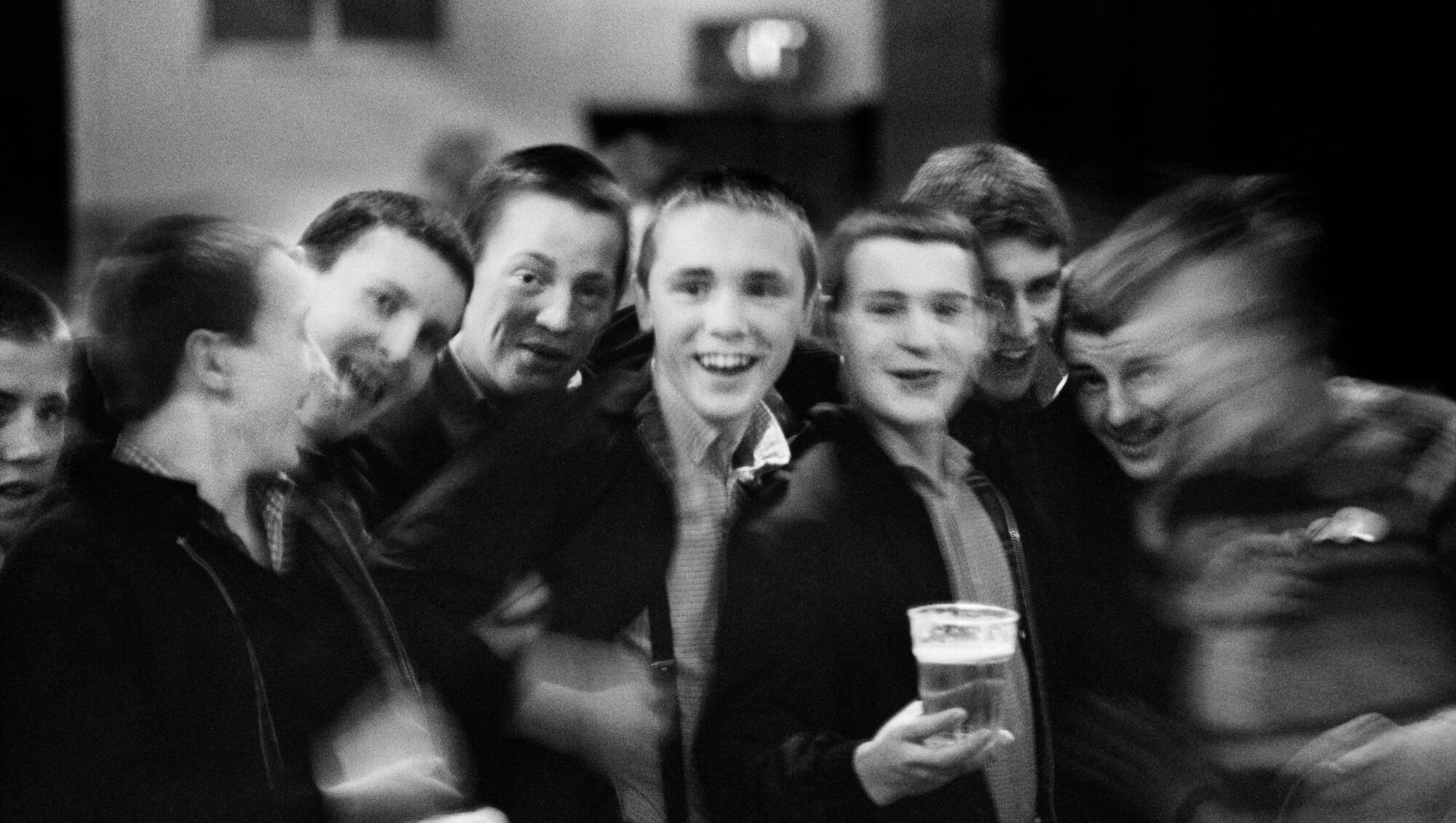
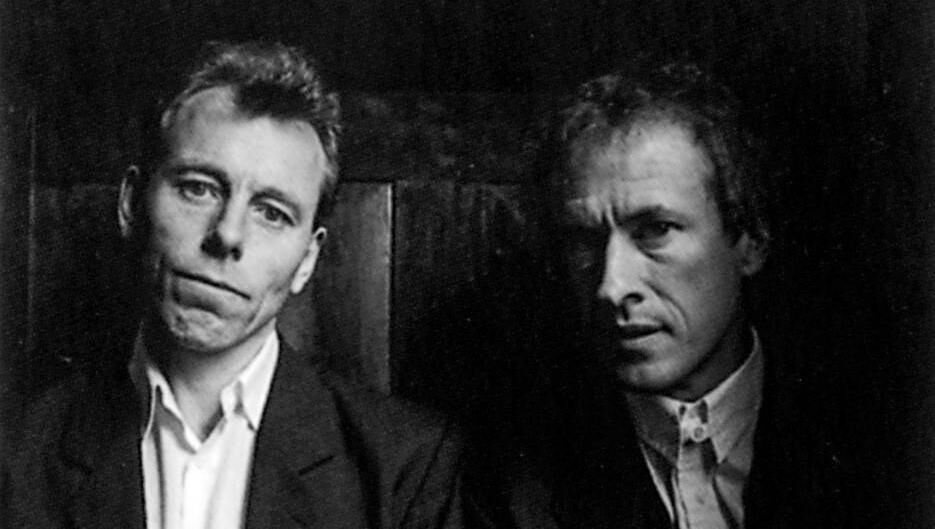
London 1980 from 'I Could Read the Sky' by Timothy O’Grady with pictures by Steve Pyke.

London 1980 from 'I Could Read the Sky' by Timothy O’Grady with pictures by Steve Pyke.

This is an arbitrary selection, one obviously enough confined to the books that have come my way this year. 

Unlike, thankfully, one of those Booker judges whose reading obligations are delivered by the container-load, I enjoy the indulgence of an empathetic editor who provides accordingly. 

This means that there are scores of admirable books that have escaped me, but time may help to resolve those oversights.
These three excellent, moving books share a theme: Decent, ordinary people caught in unsustainable circumstances, their reactions and whether they prevail/endure or not.

In two, the communities described are subject to incomprehensible barbarisms but despite that, their children breathe this winter’s clear, cold air in defiance of their satanic enemies’ perversities.

In one, the subject communities, or at least minority elements, inflict atrocity after atrocity on their neighbours, in too many instances with the collusion of a rogue, sectarian state security apparatus.

Today, a battered, bruised community holds its breath hoping that the pogroms that made Armagh such a very dark place for so long are consigned to history. 

The enduring power and relevance of that book is such that despite recording the ravages inflicted on a small parish over 30 years with a clarity that makes it impossible to imagine they might recur, it leaves the possibility that today’s relative peace is no more than a trough between the tsunamis of blood which regularly washed over that divided society since the old queen’s time. It is a warning as much as a record.

It also described, despite stiff international competition, the most appalling ogre, one that lives almost as a nightmare in my subconscious so imagine how that figure — now dead — stalked the imaginations of the neighbours he butchered. 

He, a member of the UDA and the UDR, was linked to least 50 murders and almost 100 by one estimate.

In another moving book, a remnant population somehow survived. In a magnificent and celebratory act of rejuvenation they claim their victory over darkness by their children’s very existence. 

It is impossible to read this book without seeing the parallels between the abominable inhumanities inflicted on Europe’s Jews over centuries and today’s genocide in Gaza.

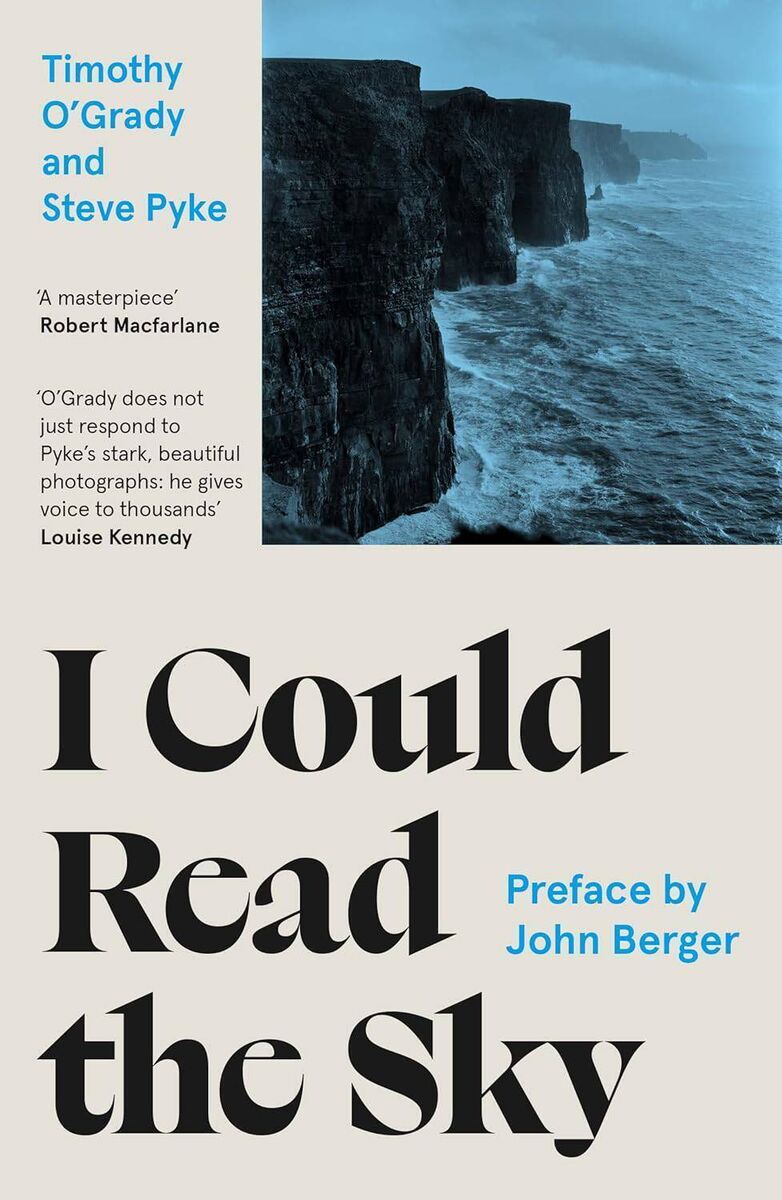
I could Read the Sky with photography by Steve Pike and words by Timothy O’Grady.

Despite that link it is impossible not to be moved by the do-or-die journey of two stands of one family, one defying the lingering deaths intended and almost universal in Stalin’s gulags, the other the mincing machine of Hitler’s concentration camps.
The characters in my third choice relied on that country too and they did not always find is as secure or as positive an experience. 

Despite the tragic lives of many of the uneducated, exploited Irish emigrants, tens of thousands of their compatriots did and do achieve the dream underpinning nearly all migrations — make life better for those who come next. 

That a significant minority of Irish emigrants to Britain did not makes this beautiful book both harrowing and uplifting.

Reading any of these might make for a better world. Reading all three will certainly make for a better person. They are, ultimately, celebrations of the human spirit and the kind optimism that drives our evolution.

I Could Read The Sky by Timothy O’Grady and Steve Pyke (Unbound, €21)

My inner pedant, a tedious character, might argue that this reissue should not be included in any celebration of this year’s books but in this instance, romance must trump dogmatism. 

First published in 1997, it was reissued with a greater contribution from photographer Steve Pyke so it is enhanced rather than recycled.

It was one of the year’s great reading pleasures consumed in a single sitting and revisited when spirits flag. It is so lyrically written that it should almost be sung rather than read. 

It has a fluency of language, a joie de vivre about it that almost transcends the hard lives, the loneliness and exploitation endured by many Irish emigrants to Britain.

Of the three books it plays out on the smallest stage. The book’s victory is that it, in words and photographs, gives a far more rounded record of those lives by recording the scarce moments of happiness, the achievements and self-awareness too.

This beautiful book should remind us that out of sight should not be out of mind and that a rich country like this has an obligation to provide even a basic safety net for emigrants who may not realise the ambitions they had as young people when they left to try to build a new life in a new country.

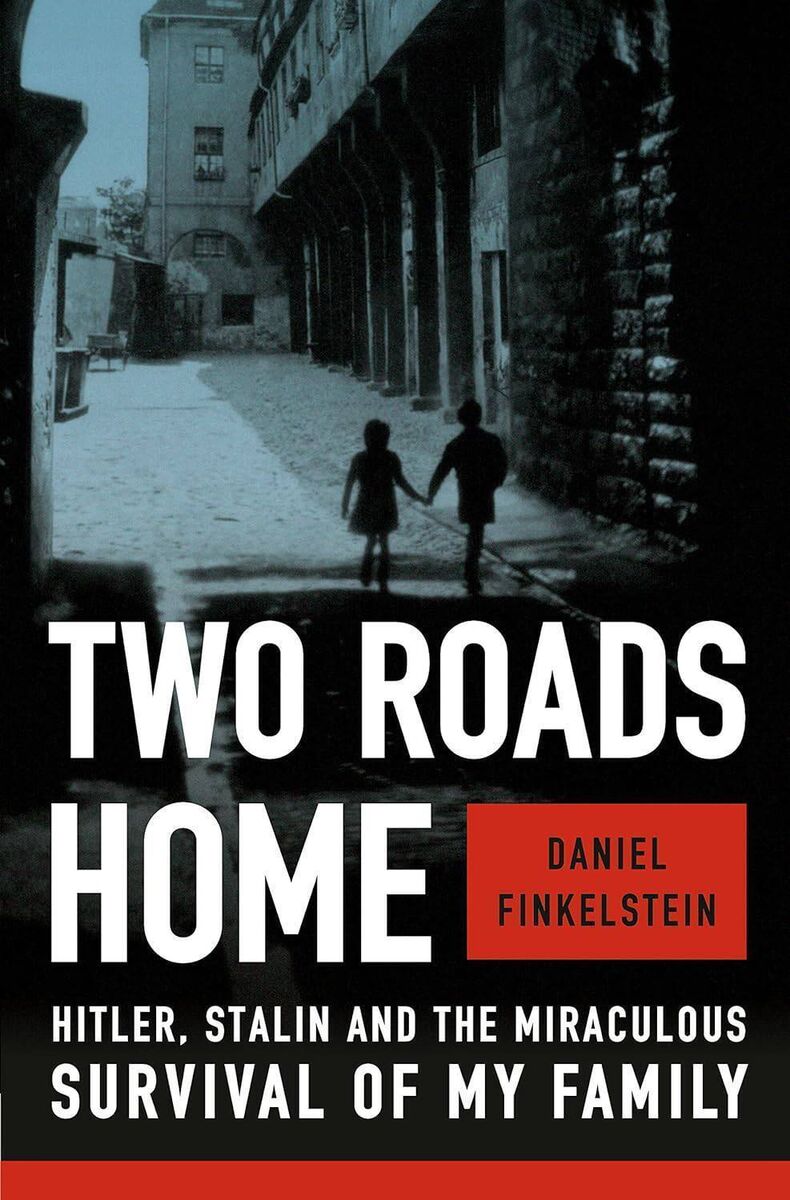
Two Roads Home: Hitler, Stalin and the Miraculous Survival of My Family by Daniel Finkelstein (Doubleday, €25)

Since this life-affirming, but troubling book was published, events have conspired to make it even more relevant than the author, the wonderful writer Daniel Finkelstein, could have imagined or wished.

The renewal of atrocities in Israel and Gaza cannot but deeply disturb anyone who has considered how European and Russian Jews survived the Holocausts — Hitler’s or Stalin’s — of the last century. 

That those evils have shaped so much of today’s unfolding tragedy makes the book an even more important milestone on the journey of trying to unravel the Middle East’s Gordian Knot.

Finkelstein tells the Holocausts’ survivors’ stories through his parents and grandparents.

His grandmother, having survived the years of horrors the Nazis imposed, died within hours of delivering her children, including Finkelstein’s mother, to the Red Cross in Switzerland.

Her last moments may have been joyous because she had achieved the impossible — giving her children a future where they might, and do, prosper. Nevertheless, it is hard not to imagine the despair of her life.

Finkelstein’s father survived Siberia and went on to become a respected academic and establish the Wiener Library, the world’s oldest holocaust archive.

Since reading the book I have listened to a series of five short BBC podcasts offered by Finkelstein — Hitler, Stalin, Mum, and Dad — which, in bite-size chunks, give an outline of the book. 

That you hear the voice of the author makes it impossible not to rejoice that his family have prospered to enjoy the celebratory meals that were such a cornerstone of their culture, one all but destroyed. 

Few books better describe the dignity, determination, and decency used to evade obliteration than this. A timeless masterwork.

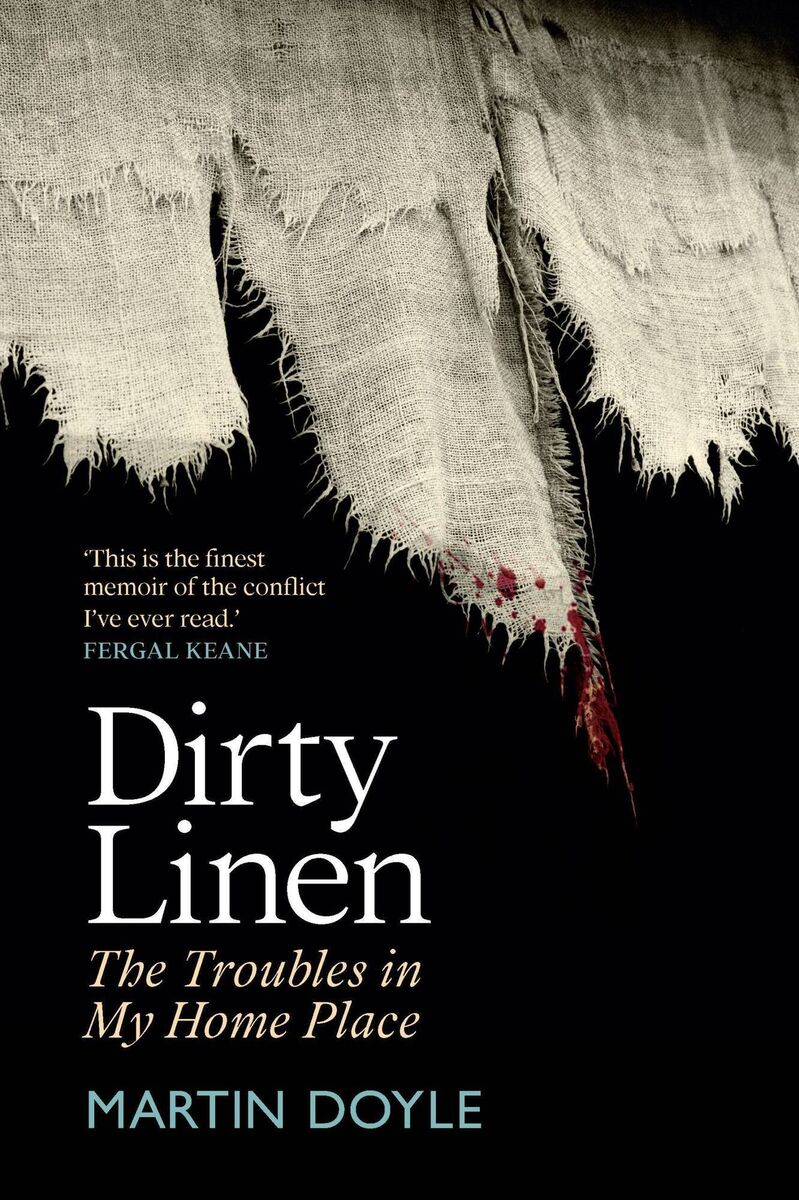
Dirty Linen: The Troubles In My Home Place by Martin Doyle (Merrion Press, hb €24.99)

Of my selection this is the most relevant to today’s Irish readers. It deals with atrocities very much within living memory and the legacies of that tribal bloodletting in a small corner of Armagh. 

That those legacies have not been resolved makes it, unfortunately, even more pertinent as discussions around a reunited Ireland gather momentum.

The mayhem and heartbreak catalogued by Doyle — a fine writer and sensitive observer — is a reminder of what that process, whether conclusive or not, might unleash. 

He describes an intimate, almost personal but utterly impersonal hatred that is profoundly difficult to understand from the perspective of a tolerant, largely liberal citizen of a modern European democracy.

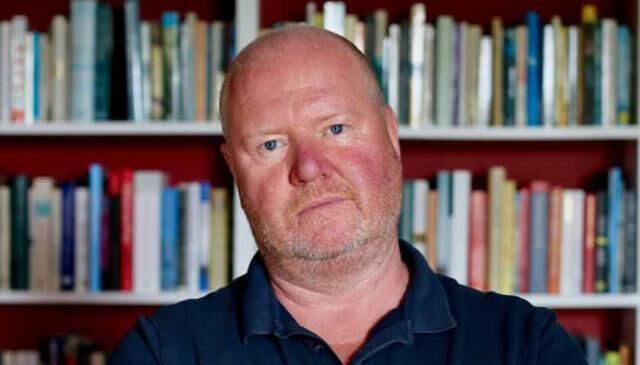
Martin Doyle, author of Dirty Linen: The Troubles In My Home Place.

Though he is even-handed in his opprobrium, his description of the appalling Robin Jackson — linked to almost 100 murders — is not easily shaken off. 

Neither is his excoriation of today’s revisionists who, with the refuge offered by the passage of time and fading memories, immorally insist that there was no alternative to politically driven violence.

However, Doyle’s ultimate achievement is to celebrate the communities who lived through those dark decades and despite maiming and murder aspire to live good lives, to be good, tolerant neighbours unwarped by the tribal hatreds once, or maybe still, so alive in their communities.

As we seem on the verge of a new reality here this book, a magnificent counterbalance to the men and women of violence, is required reading for anyone who hopes to make a positive contribution to that inevitable if volatile process.

x

More in this section

Scene & Heard

Newsletter

From music and film to books and visual art, explore the best of culture in Munster and beyond. Selected by our Arts Editor and delivered weekly.

Cookie Policy Privacy Policy Brand Safety FAQ Help Contact Us Terms and Conditions

© Examiner Echo Group Limited