Book Review: Architect John Tuomey looks at the sketches of his life
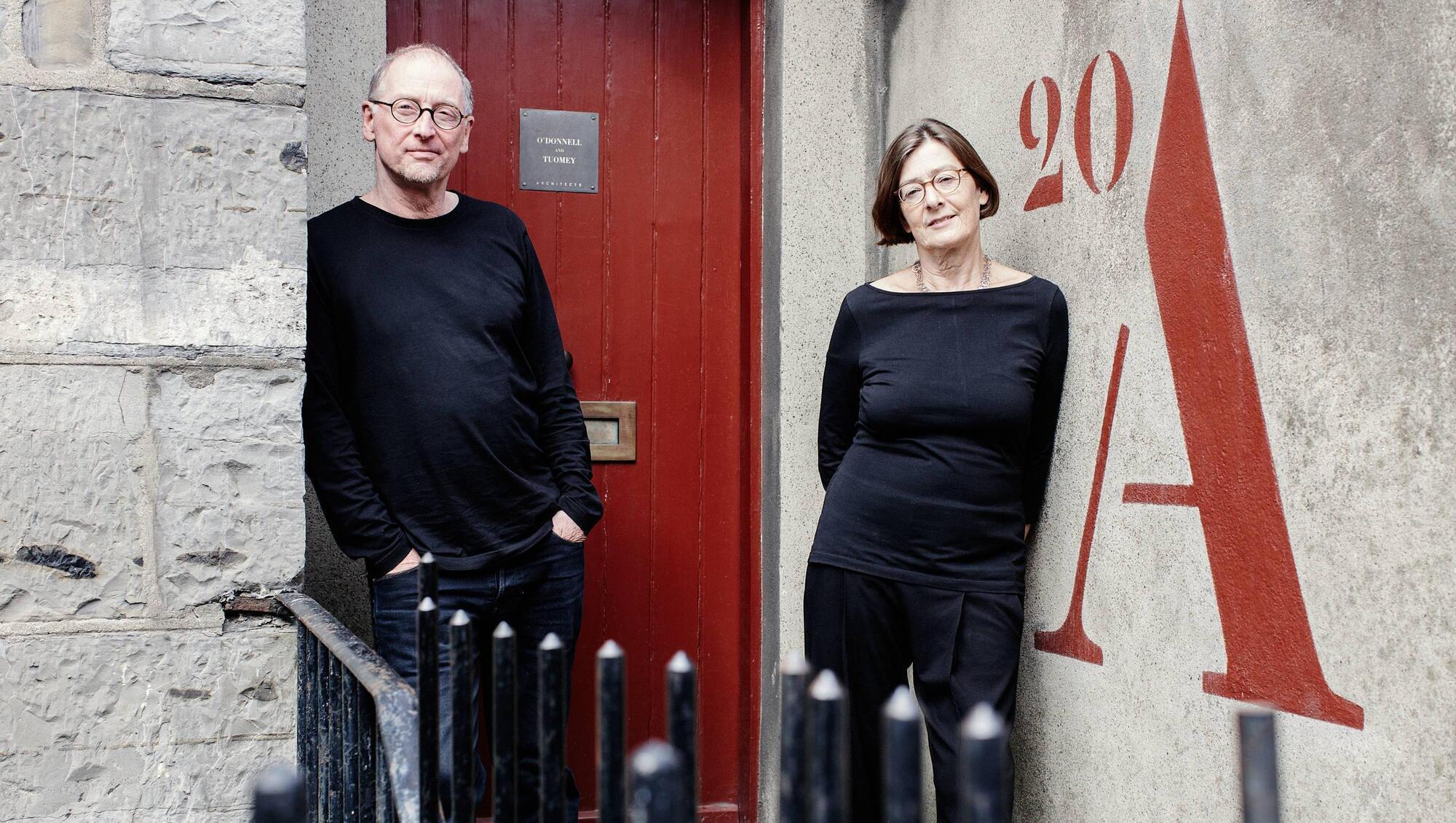
Sheila O'Donnell and John Tuomey. Picture: Al Higgins
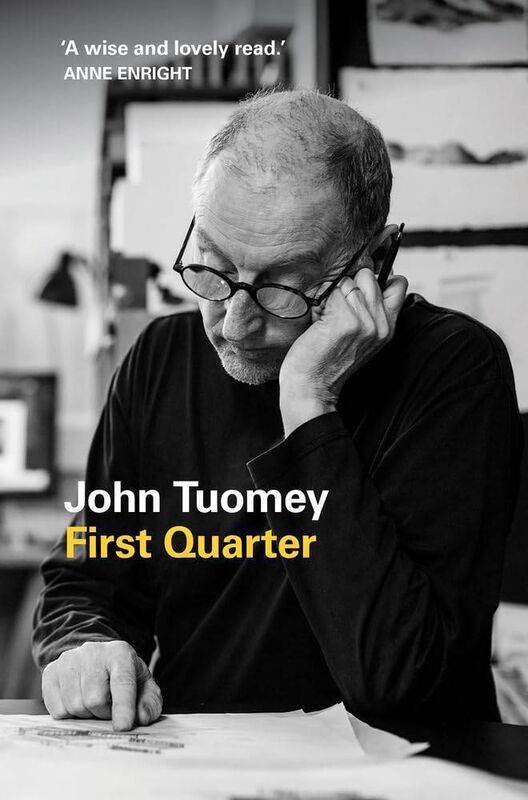
- First Quarter
- John Tuomey
- Lilliput, €13.99
In this spare, purposeful memoir, the architect John Tuomey attempts to discover what made him the person he is. covers his life up to the point where he and his wife Sheila O’Donnell set up O’Donnell + Tuomey.
That stellar architectural practice has left its mark on central Dublin with the ingenious and restrained buildings at the cultural core of Temple Bar — the Irish Film Institute, the Gallery of Photography, and the National Photographic Archive — and on Cork with UCC’s sensational Glucksman Gallery.
From 1991 to date the practice, working mainly in the areas of culture and education, has received more than 130 national and international awards, culminating in the American Academy of Arts and Letters Brunner Prize 2015 and the RIBA Royal Gold Medal 2015.
It is necessary to stress the scale of O’Donnell + Tuomey’s achievement, because this is a modest little book, not the lavish coffee table extravaganza one might expect in view of the scale of their achievement. It started as a lockdown project, written in a reflective, personal voice, comes only in paperback, and the only illustrations are Tuomey’s cartoon-like line drawings.
Tuomey was the second of five children, and in his early life the family moved house often in order to be near the workplace of his father, a highly respected engineer, originally from Spa near Tralee. He recalls childhood homes in Macroom, Drumshanbo, Cobh, the Cooley Peninsula, settling eventually in Dundalk, ‘a factory town of redbrick terraces’, where he attended secondary school.
He learnt to draw on the back of his father’s engineering plans and enjoyed his father’s monthly copy of the British magazine, . He was also interested in archaeology, which he describes as 'architecture in reverse’, the organised destruction of building sites, but there was never any doubt that he would opt for architecture itself. This was confirmed by his experience of a contemporary holiday home in Connemara, The Box, a simple design in sympathy with its sloping site, overlooking the two beaches at Gurteen, without intruding on the landscape.
It is a pleasure to read John’s account of the intellectual excitement of his student years, 1972-6, coinciding with the last years of UCD’s presence on Earlsfort Terrace. Architecture was very much a vocation for him, and by his second year he was ‘thrilled by the thought of a purposeful life in architecture’. How few arts students ever discover such a firm sense of purpose.
The summer vacations were spent in London, working at the lowest level, living on baked beans in Earls Court while saving money to go InterRailing and explore the great buildings of Europe. Discovering art house cinema, the music of Pink Floyd, and John Berger’s Ways of Seeing made these heady years to be a student. Quotes from Brian Friel, Seamus Heaney, TS Eliot, and Elvis Costello among others are evidence of a lifelong habit of reading and theatre-going.
Tuomey’s first job after graduating was in the London studio of the innovative British architect, James Stirling. He had sent the formidable Scotsman a handwritten letter admiring his work, and nine postcard-sized drawings — presumably like those interspersed through this text. A brief phone call one Friday evening led to him starting work in London the next Monday.
In 1980 he returned to Dublin and took a civil service job as an architect with the OPW, his first experience of a conventional architectural office. Sheila followed him back a year later, and they started working together on extra-curricular projects, teaching, putting on exhibitions, and bringing the energy of the London architectural scene to Dublin at exactly the moment it was needed. His account of those years is compellingly readable and pleasantly nostalgic if you’re old enough.