Mitch Albom: ‘We have to have a moral compass’
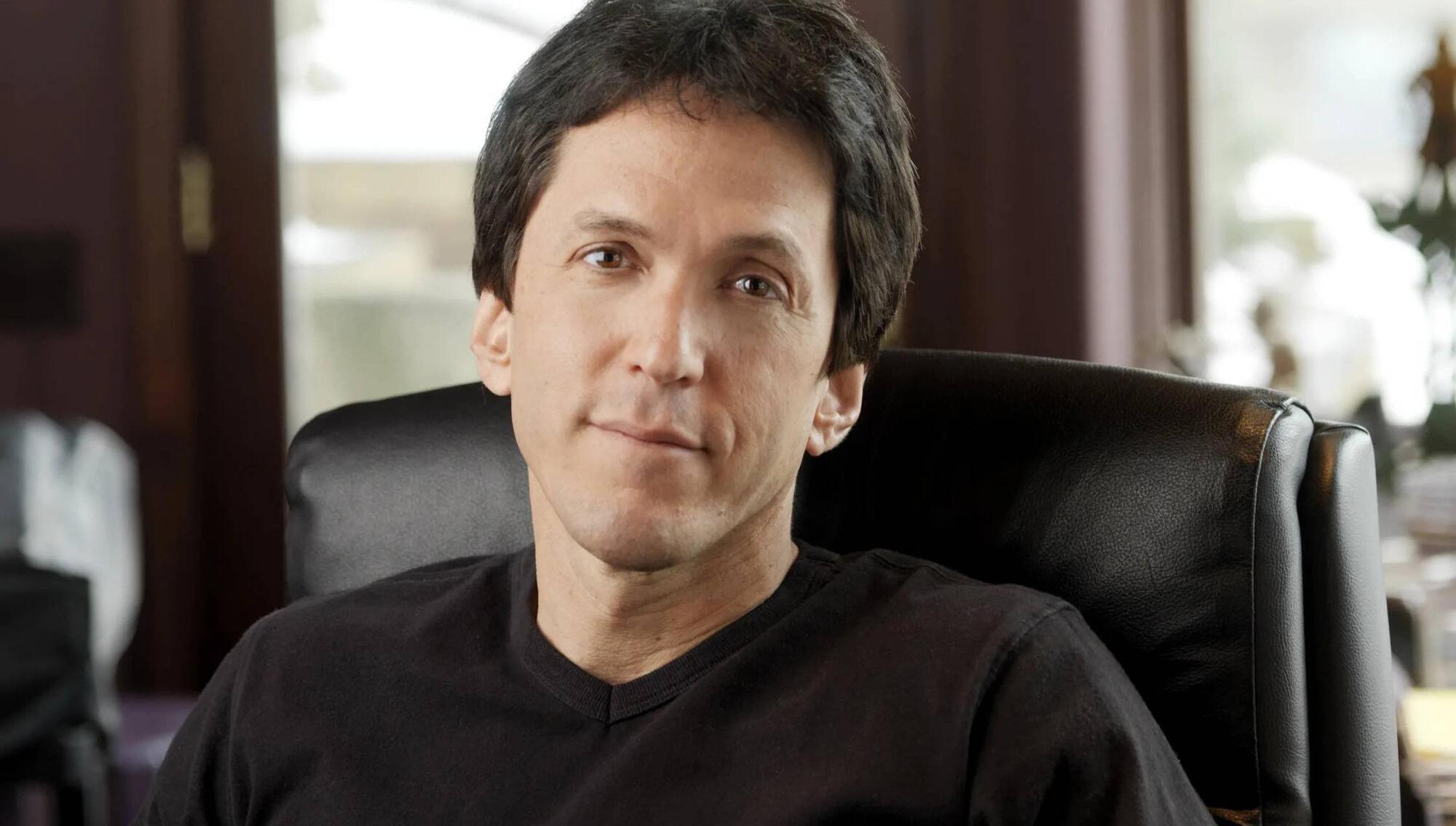
"We live in a time where everybody just picks the truth they want to believe via the internet. Here in the States, we have three major cable news channels, and each one has its own political slant."
Mitch Albom: ‘We have to have a moral compass’

Mitch Albom: "It’s critically important we discern that there’s only one real truth. Everything else is people’s take on it."

Would you lie to save your family? I would. In a heartbeat. What if it meant sending innocent people to their deaths? That changes things, doesn’t it?
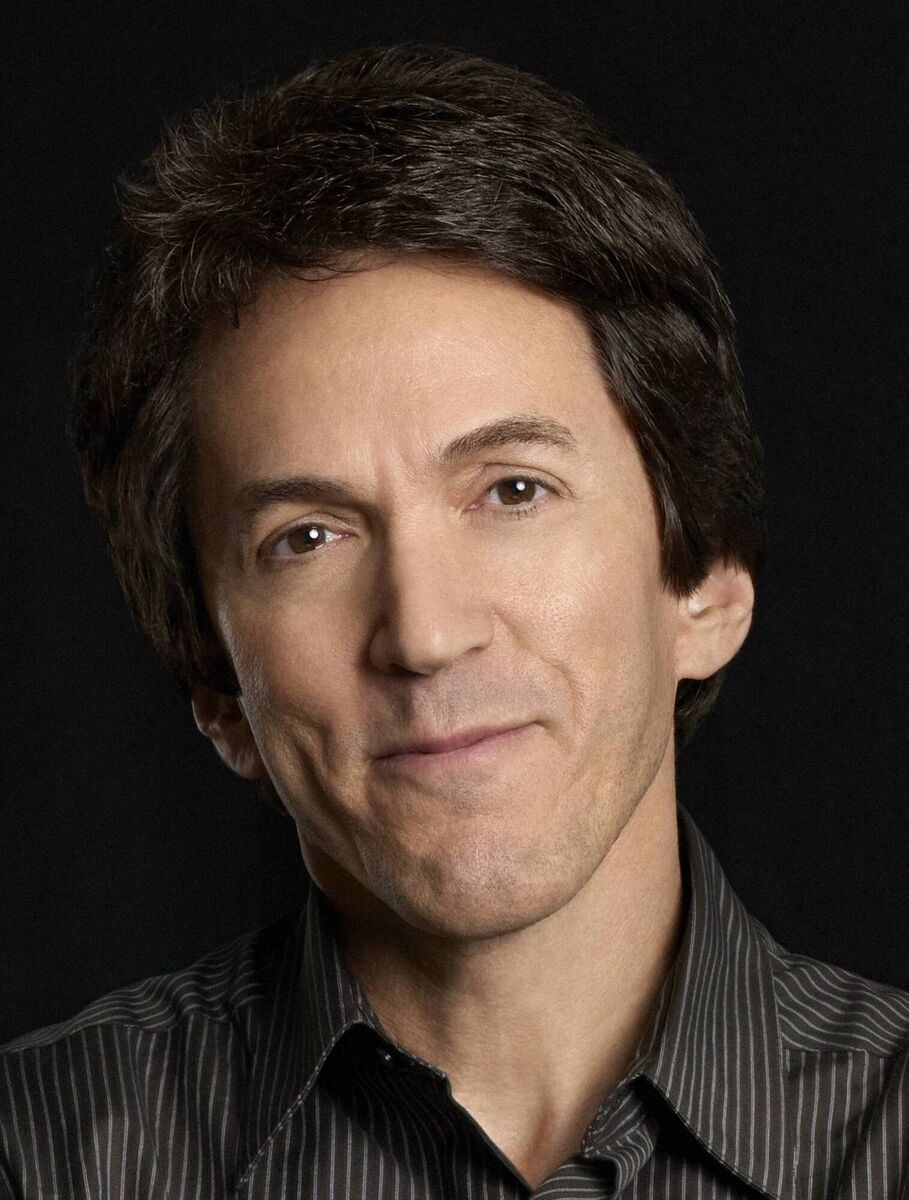
This is the premise of Mitch Albom’s new novel, set in Greece during the Holocaust. An unintended lie leads Jewish families towards their death at Auschwitz.

The 65-year-old American author has sold over 40m copies of his books worldwide; his most famous book being Tuesdays with Morrie, which chronicled his chats with a beloved professor grappling with motor neurone disease. In their discussions, they ruminated on life lessons, stumbling upon the realisation that some truths are unassailable.

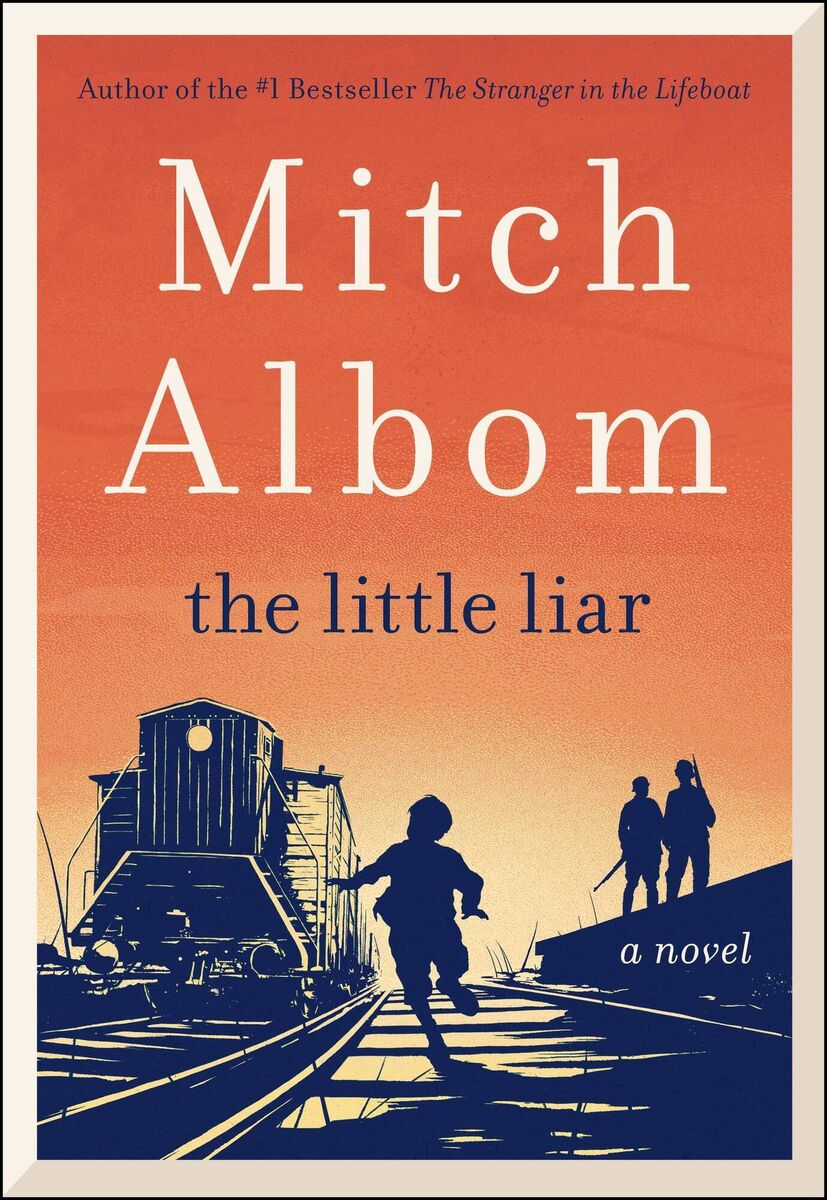
Albom is particularly concerned with the truth in his new novel, The Little Liar, centering on the 11-year-old Nico Krispis, an earnest, beautiful boy, nicknamed ‘Snow’, who is recruited by the Nazis to convince his neighbours to willingly travel to the concentration camps.

“We live in a time where everybody just picks the truth they want to believe via the internet. Here in the States, we have three major cable news channels, and each one has its own political slant.

“It’s critically important we discern that there’s only one real truth. Everything else is people’s take on it. The book follows four people throughout the course of the war and the price paid by all of them for one lie.”

The impact of those lies is explored throughout the book: From an innocent boy, unaware of what he is doing at the outset, to deception running deep in his veins as the truth becomes harder for him to find.

“Only when he sees his own family being put on the train, he realises he’s been telling a lie all this time, and inadvertently helping to send all these people that he knew and loved off to their death. As a result, he loses the ability to ever speak the truth again.”

Those lies follow him throughout his life, until long after the war and you can’t help but draw comparisons to politicians or celebrities.

“He becomes this pathological liar because he can’t face the truth of what he’s done.”

Social media has amplified dishonest voices, says Albom: Charisma, charm, even conspiracy theories more often trump the unfiltered truth.

“We live in a world where you start with one lie, you start blaming one group or the other group and, next thing you know, the narrative grows from a single lie into a whole worldview. That’s a very, very dangerous thing.”

Mitch Albom: “Even under the worst of circumstances, people find ways to be human. Victor Frankel’s book talks about how there was still laughter, even in the concentration camps.” Picture: Jenny Risher

The timing of Albom’s new novel seems uncanny as war rages in Gaza and with echoes of Second World War rhetoric resurfacing in what is still a very raw subject for countless survivors. 

Albom, who is very much anti-gun, anti-Trump (read his op-ed in Detroit Free Press calling Trump “an infantile person in a grown man’s job, a baby in a suit”.) says that the truth is the most universally important thing, particularly in the reporting of the Israel Gaza war.

“It’s a terrible thing, no matter who it is, to lose your home and to not have one. What’s ironic is Israel was formed because of the six million Jews who lost their lives, and the millions more who survived it, but had no place to go.

“The sentiment was: ‘Let’s create a place where the Jews who have suffered so much and are almost extinct can call home’, but you could say the same thing about Palestinians.”

Identity and belonging are explored throughout the novel and the message will ring true for Palestinians as much as it will for Jewish people living in Israel, says Albom.

“From the moment that home was given to them, it’s not been safe. It’s been under siege. Why can’t Jewish people live in peace?

“It holds for everybody: Palestinians are losing their homes — having something taken from you is a terrible thing, no matter what side — it’s wrong, and I did try to show that.”

Take a look at Albom’s Instagram feed and you will see the author as a young man living in Greece. Tanned, with a mop full of dark hair, Albom is pictured sitting with his colleagues outside the Crete bar where they worked.

Albom describes an idyllic summer living and working in Greece.

“I tumbled into this job in a very odd way. I just happened to be in Athens and I saw an ad in the paper and the next thing I knew I was being flown over to Crete, they offered me the job, and I was living in a little bungalow with all the Greek staff. I played piano and sang at night, and the rest of the day I just hung out with the staff and we would eat and have coffee and play in the pool.”

Albom fell in love with the place and it wasn’t until years later that he read about how the German occupation of Salonika wiped out the largest Jewish community of Greece. 

He returned there to research the history of the place and he feels that this is the closest thing he has to a historical novel.
“Hearing these stories and seeing what used to be this Jewish section with Jewish businesses and Jewish homes and it was destroyed. That was brutal in and of itself.”

The research took Albom to some dark places mentally.

“It was tough to write those things, especially to put yourself in the minds of the people there. I did grow up with a lot of people who went through that, people in my family.

“I grew up in a neighbourhood where Jewish people who were Holocaust survivors used to wear their sweaters in the summertime, over their wrists.

“And I remember asking my mother; ‘Why do they have long sleeves on — it’s so hot outside — but they had the numbers on their forearms.”

The Little Liar, by Mitch Albom

Love, humour, and the resilience of the human spirit shine through The Little Liar as they do all Albom’s books and it was important for him to pepper those moments throughout.

“My brother-in-law’s parents were both Holocaust survivors and his father lost everybody. everybody. When they came back after the Holocaust was over, they came back to this little village, and they were the only ones left of their families. Within three weeks they were married. And I use that in this book.”

Albom talks about “positive power”, the endurance of the human spirit to find joy in the simple things even through adversity.

“Even under the worst of circumstances, people find ways to be human. Victor Frankel’s book talks about how there was still laughter, even in the concentration camps.”

It has been such a joy to interview Mitch Albom.

Although I only expected him to join by audio, he invites me into his home via webcam and is holding one of the babies from the Have Faith Haiti Mission & Orphanage he runs with his wife.

Although he is not a practising Jew, he considers his faith a legacy and takes “tikkun olam, Hebrew for “repairing the world” quite literally with his charity work.

“We all have challenges we have to overcome, but we still have to have a moral compass about what’s right and wrong. No matter what’s happened to us when we’re younger, it’s not an excuse.”

  • The Little Liar (Sphere) by Mitch Albom is out November 14

x

More in this section

Scene & Heard

Newsletter

Music, film art, culture, books and more from Munster and beyond.......curated weekly by the Irish Examiner Arts Editor.

Cookie Policy Privacy Policy Brand Safety FAQ Help Contact Us Terms and Conditions

© Examiner Echo Group Limited