Ireland in 50 Albums, No 21: Sinéad O'Connor, I Do Not Want What I Haven’t Got
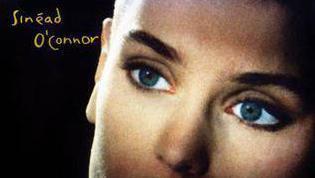
Sinead O'Connor, I Do Not Want What I Haven't Got.
Sinéad O’Connor was at the height of her fame. It was the early 1990s. She was in New York, sitting at the bar in a diner full of white people eating at their booths. A homeless black man walked in, but he was quickly ushered out again by the manager of the diner. He wasn’t fit company for the other patrons. About five minutes later, he returned. He stood about six feet inside the restaurant, opened his arms, and said, “Can I get a hug? Can I just get a hug?”
O’Connor ran towards him and leapt into his arms, wrapping her legs around his waist. She hung onto him for an age. There was something special about O’Connor – her humanity, her fierce intelligence and bravery, her vulnerability. She was like an envoy sent from another land when she broke through in the late 1980s.
“Sinéad was an explosive and hugely powerful artist as we were changing from the 1980s to the ’90s in Ireland,” says Philip King, presenter of the South Wind Blows radio programme on RTÉ Radio 1. “Her energy, her delivery, her power to inhabit a song was unique. She was entirely herself. Something in her voice and her physical deportment and the way she sang was so arresting.
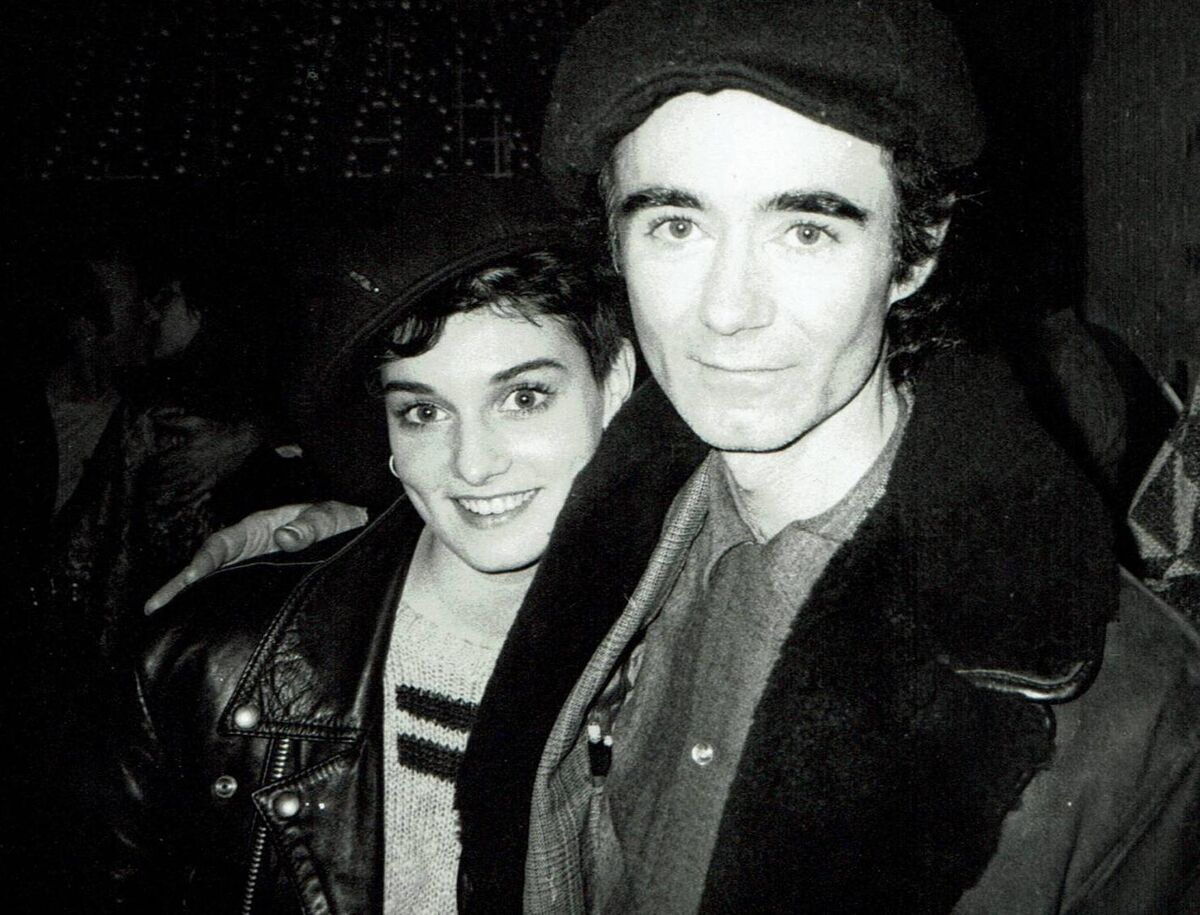
“Anybody that turned on the radio – whether you were driving along in the car or listening at home – and heard a song like, say, 'Mandinka' from her debut album, hearing her voice, you went, ‘What is that?’ Even though she sang music that could be classified as rock/pop music, she broke down all those classifications. She was just Sinéad O’Connor. There was a wildness, a spirit in her that had something out of our own tradition, which we recognised. Listening to her was thrilling.”
It was impossible to ignore her, with her shaved head, which suggested anger and rebellion yet she often came across as sweet and softly spoken. She followed up her debut album [The Lion and the Cobra] – which featured 'Mandinka', a song she performed at the 1989 Grammy Awards to rapturous acclaim; and 'Troy', a heart-breaking song about the child abuse and neglect she experienced in the care of her mentally ill mother – with I Do Not Want What I Haven’t Got.
O’Connor was still only 23 years old when her second album was released in March 1990. Two months earlier, 'Nothing Compares 2 U', a track from the album, was put out. Everything changed the moment that ballad – and its captivating video, which was played on a loop on MTV – was unleashed. The single went to No 1 in music charts all over the world, including the UK and USA. Her name was on everyone’s lips. Putting the song, which was written and composed by Prince, in her lap was an inspired move.
“Fair play to her early manager Fachtna Ó Ceallaigh,” says BP Fallon, musician, writer, photographer & DJ. “It was his idea – to cover 'Nothing Compares 2 U'. He came around to my apartment and swore me to secrecy. He said, ‘If you tell anyone, I’ll kill you’ [laughs]. He had this idea to do this song by The Family, a Prince side project, who I knew – I had their album. I thought it was a really good song, but I didn’t see it as much as he did. Fachtna’s idea, it was visionary.
“One of the reasons Prince became ‘very bad mannered’ towards Sinéad is because this happened outside his immediate control. He wrote the song, but from then on it was nothing to do with him. John Maybury deserves top marks for making that fantastic Nothing Compares 2 U video. As a single, it’s up there with the great singles like A Whiter Shade Of Pale, Strawberry Fields Forever, Be My Baby. It’s more than a good single. It’s something else and there aren’t many like that.”
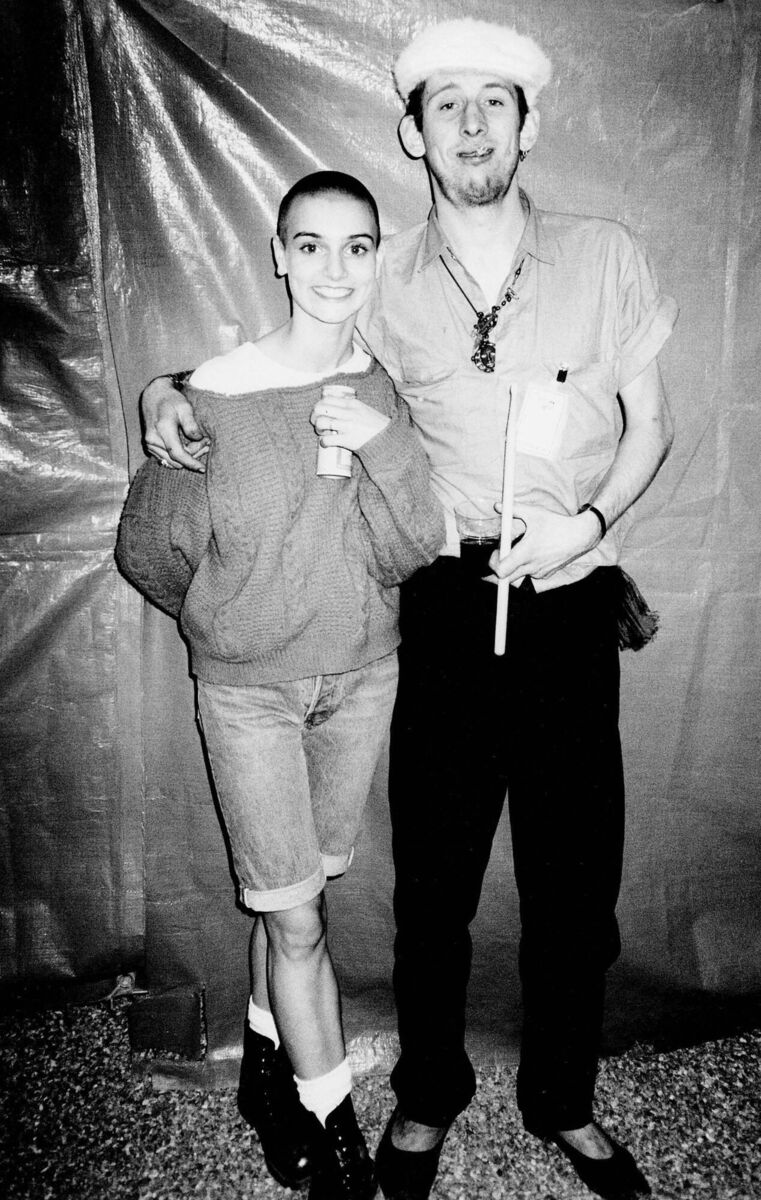
The second track on the album was also a cover – O’Connor’s rendition of an anonymous seventeenth-century Irish-language poem I Am Stretched On Your Grave. Philip King’s band Scullion had put the Frank O’Connor English-language translation of the poem to music back in 1979. O’Connor added a loop of James Brown’s Funky Drummer to her mix.
“Sinéad took the spirit of the song, the heart of it, the soul of the song and performed it with that rhythmic undercurrent of power and despair, of love lost forever,” says King. “It’s in the Irish tradition of great sean-nós songs of lost love like Dónal Óg, and she nailed it. She translated that sense of Irishness in an uncanny and instinctive way. She had empathy for things that were pure, pagan and came out of the tradition.”
O’Connor had gifted players in the studio with her, like Steve Wickham of The Waterboys who played fiddle majestically on I Am Stretched On Your Grave (and who plays on Fallon’s next album). Fallon mentions that her live band on the road at the time was the rhythm section from The Smiths – Andy Rourke, who passed away in middle age earlier this year like O’Connor – on bass; and Mike Joyce who played drums. Her guitar player was Marco Pirroni, formerly of Siouxsie & The Banshees and Adam & The Ants.
“It’s a superb album by one of Ireland’s greatest musical artists,” says Fallon.
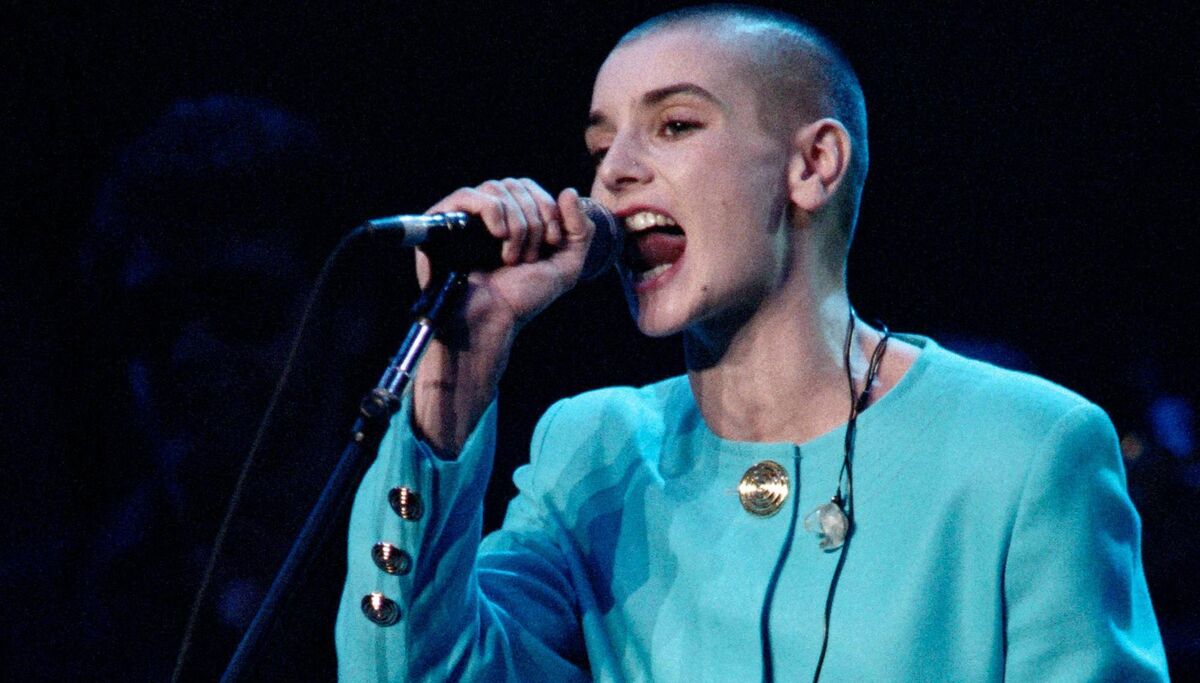
I Do Not Want What I Haven’t Got was nominated for four Grammy Awards in 1991, winning the award for Best Alternative Music Performance. The following year, O’Connor got the call to perform on Saturday Night Live, the popular American TV show.
The day her mother had died in a car crash in 1985, O’Connor salvaged a photo of Pope John Paul II that was framed in her mother’s house. She took it with her wherever she lived. She knew she would destroy it someday. She just needed to find the right moment. There were several other things bugging her at the time of her Saturday Night Live performance, including the drip-drip of stories – which later turned into a cascade – about child sex abuse in Ireland at the hands of priests, and the Catholic Church’s cover-up of those cases.
After performing Bob Marley’s song War, O’Connor took the Pope’s picture and ripped it into pieces, shouting into the camera: “Fight the real enemy!” The television station NBC banned her for life. The act of protest torpedoed her career as a chart-topping pop star.
“Time has shown that the things she was giving out about needed to be addressed,” says Fallon. “You could argue the way she did it was clumsy, but she was an emotional girl. When she tore up the Pope’s picture, the result was like a contemporary version of John Lennon’s ‘more popular than Jesus’ remark. It upset the same people. ‘Burn her records.’ ‘Take her off the radio.’ ‘She’s a witch.’
“When Frank Sinatra said he’d ‘like to kick her in the ass’ I said to Sinéad, ‘You know, it’s quite amazing that Frank Sinatra knows who you are.’ The whole thing was completely out there, just wild. Madonna felt threatened, saying Sinéad was ‘as sexy as a windowpane’. You only knock the people you’re nervous about.
“See, Sinéad didn’t want to be this huge pop star, playing all the games. She could sing anything and it’d be powerful, but in her heart and soul Sinéad was a protest singer, songs like Black Boys On Mopeds. Sinead O’Connor was brilliant, an all-time musical and socially-conscious great.”