Book Review: Mike McCormack deals in the gaps between worlds in This Plague of Souls
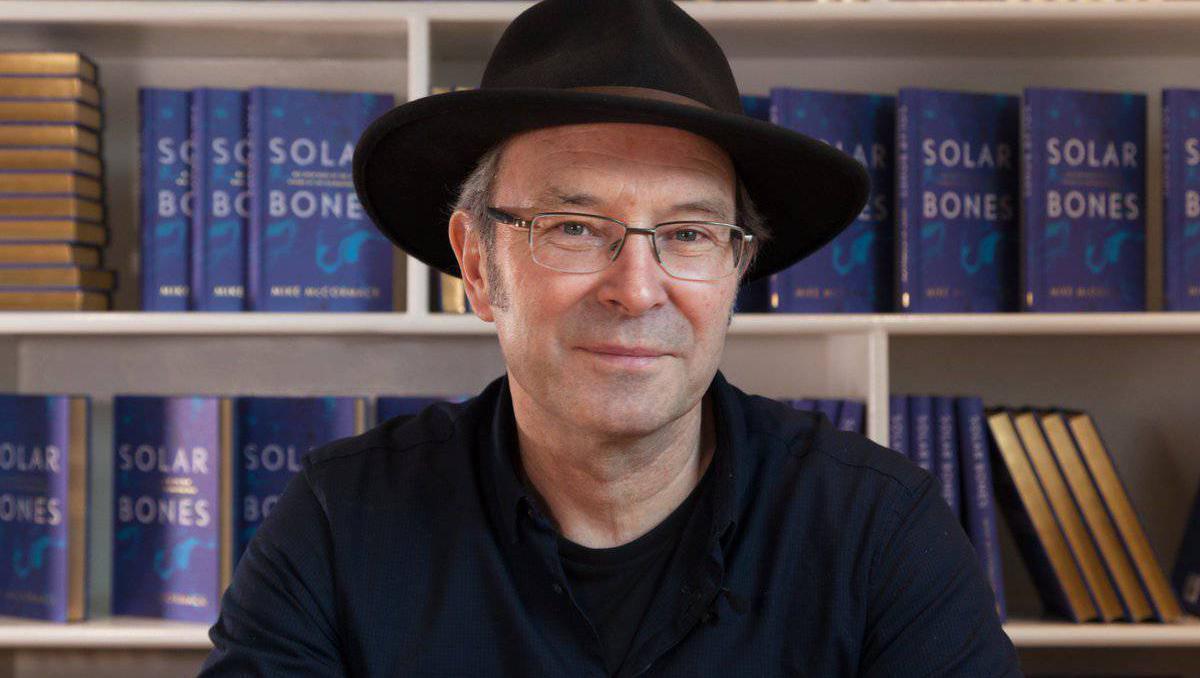
Author Mike McCormack
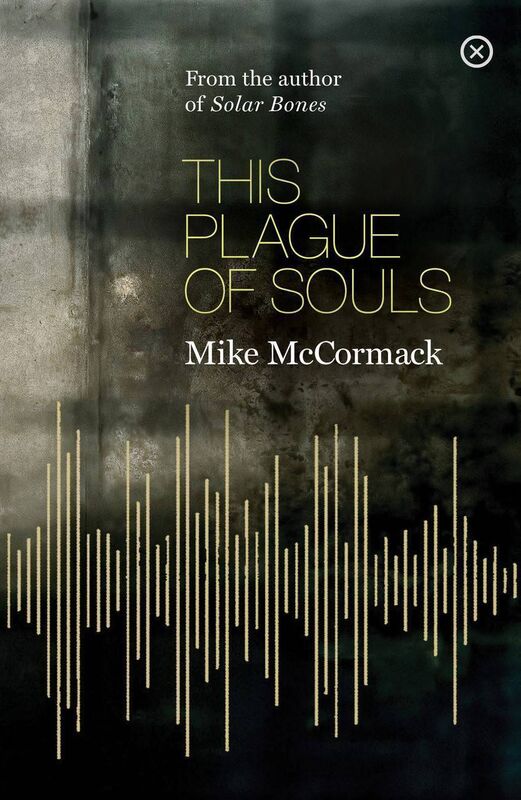
- This Plague of Souls
- Mike McCormack
- Tramp Press, €16
Mike McCormack’s follow-up to his multi-prize-winning 2016 novel has been eagerly awaited and it does not disappoint.
Once again it is narrated by a troubled man in early middle age living remotely in the west of Ireland, as he confronts an existential crisis. It has fable-like qualities but is also partly a memoir.
As it progresses it develops the narrative drive of a thriller and takes an unexpected turn into a chilling dystopian scenario.
These are large claims for a modest book of 179 pages, but despite its serious intentions, it is an easy read.
McCormack’s prose is quite simply the best around, his sentences a joy, clear and precise, as uncluttered as the west of Ireland landscape they describe: ‘After a few moments, he returns home across the fields. A dog barks in the distance and a rook saws across the evening light. It is easy to believe there is not another soul in the world but himself.’
Having spent months in prison on remand, Nealon returns alone to the family farm, expecting to find his wife Olwyn and young son Cuan.
The house is empty and dark, and as he crosses the threshold a stranger calls his phone and reminds him that the mains switch is over the back door.
In his enforced solitude, Nealon recalls his past: ‘How many times has he stood in this hayshed with his father to shelter from a passing shower? Standing together and listening in silence to the rain falling on the galvanized roof, hearing the whole structure hum in a single continuous note. Such moments always seemed to hang outside of time, suspended intervals within their lives together on their small farm.’
His mother died in the Talbot Street bomb in 1974 shortly after he was born, and he was raised by his father, hence his ‘motherless childhood’.
Years later, within a month of his father’s death, Nealon has let the farm to a neighbour, calculating that the deal would supply him with a small income to allow him to study and follow his own line of interest, which would not involve farming: ‘Farming was a glutinous realm, throbbing with pain across cycles of death and renewal that were tinted with green shit and blood-veined mucus.’
Instead, he becomes an artist, filling his canvases with colours inspired by the above description.
As Nealon struggles to adjust to life as a free man again, we glean some knowledge of his past: how he rescued his wife from drug addiction by abducting her, wrapped in a duvet, and imprisoning her in his home.
The bold gesture pays off, and she comes to love him and the place, commenting: ‘There’s space here to lose and find yourself.’ And yet, she is now asking for a divorce. The stranger on the phone claims to know where Olwyn and Cuan are, but will only reveal their whereabouts if Nealon will meet him in person.
Reluctantly Nealon drives across the country to a city hotel. On his night drive, he passes ‘the corporate citadel of Allergan Pharmaceuticals’, remembering a summer job he had there: ‘It seemed to him like something spliced in from a science-fiction scenario. It did not chime with such a rural hinterland but there it undeniably was, the polished construct dropped in from another version of the world.’
The third part of the novel concentrates on the other version of the world, which is in crisis.
It challenges all we think we know about Nealon who has attained ‘a loneliness so pure that only someone truly native to it could live in its corrosive glare’.
The ending is challenging and opaque, as is only fitting for such a finely wrought narrative.