Wildlife Photographer of the Year 2023: Ten incredible images and the stories behind them
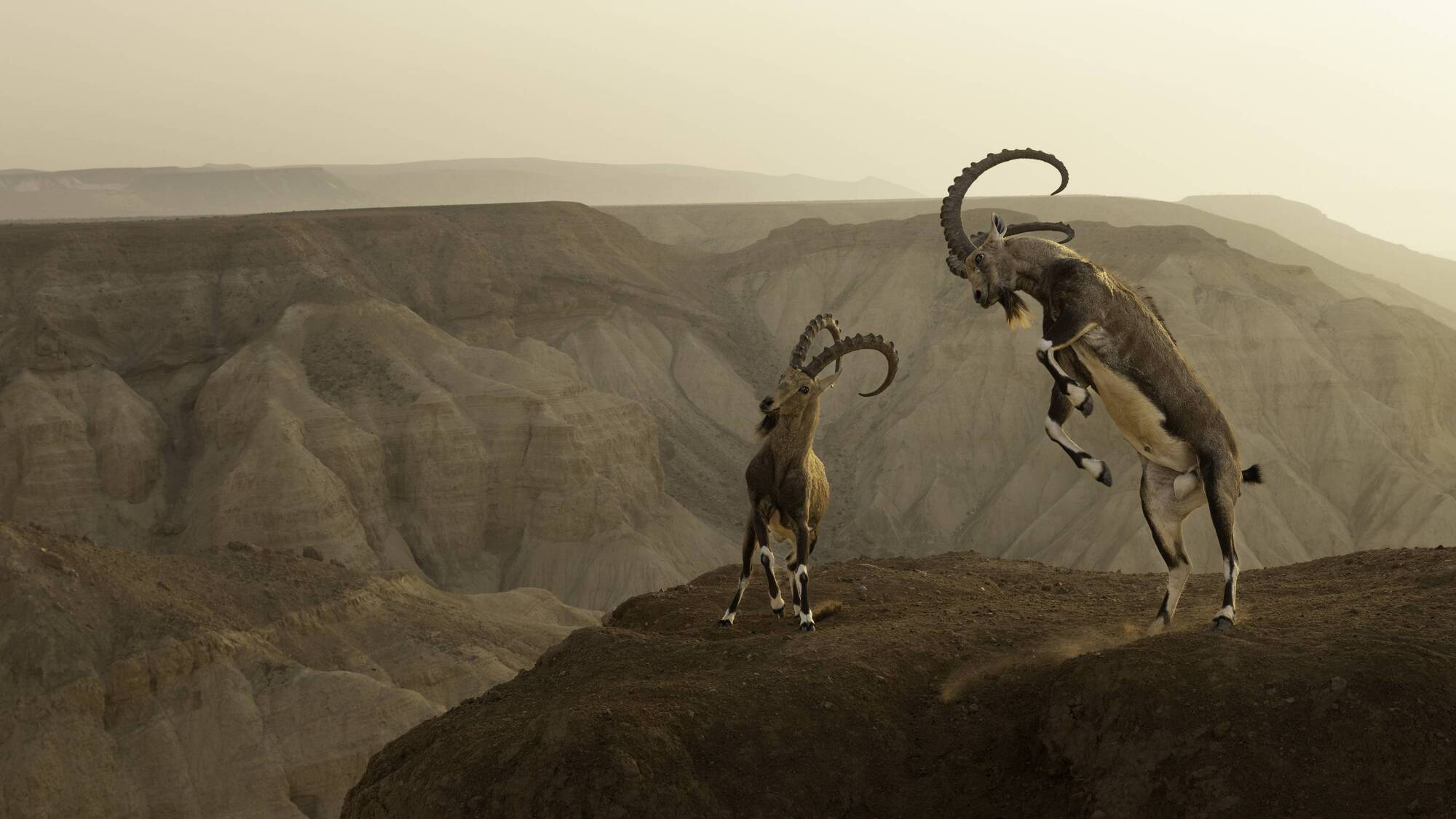
Life on the edge, by Amit Eshel, Israel
Amit Eshel witnessed a dramatic cliffside clash between two Nubian ibex. After hiking to a vantage point on the clifftop, Amit slowly crept closer, using a wide-angle lens to set the action of two clashing Nubian ibex against the dramatic backdrop. The battle lasted for about 15 minutes before one male surrendered, and the pair parted without serious injury.
Zin Desert, Israel
Canon EOS R5 + 24–70mm f2.8 lens at 45mm; 1/800 at f8; ISO 500
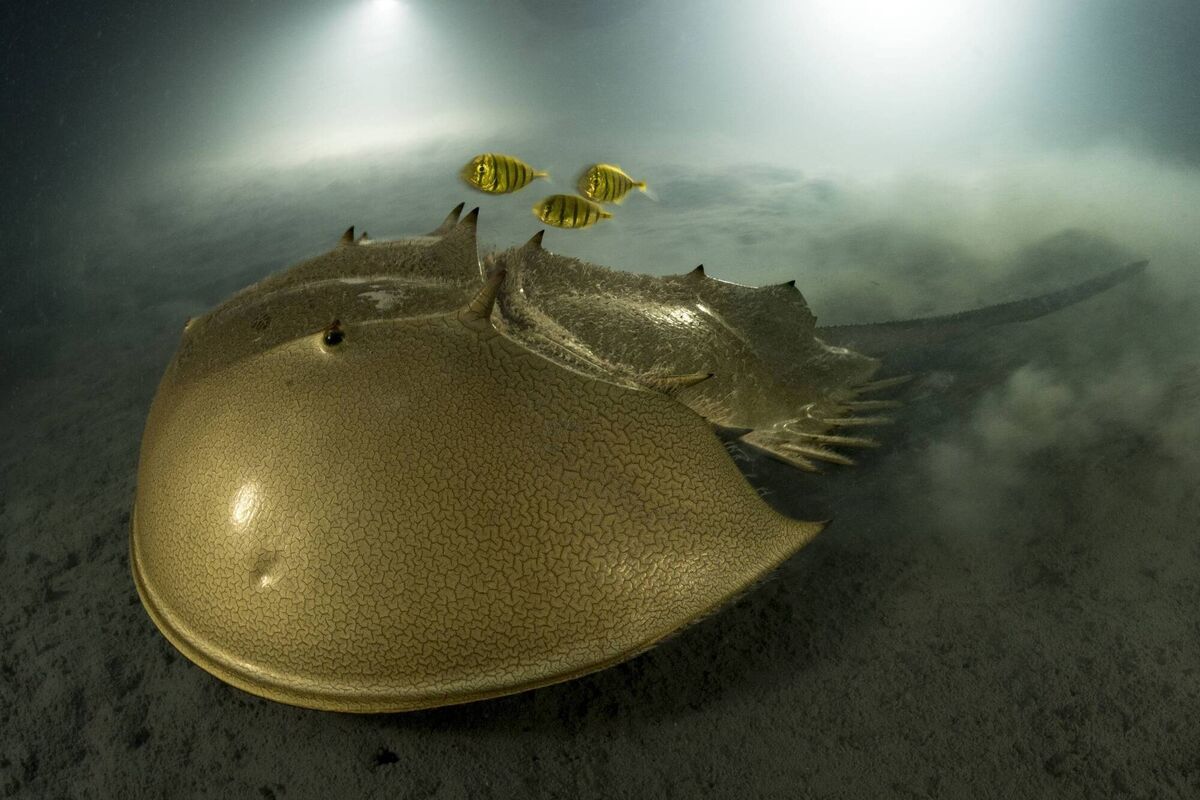
Laurent Ballesta captured this incredible image of a tri-spine horseshoe crab moving slowly over the mud. It's the second overall win for the French photographer, having previously taken the top prize in 2021 for his image of mating groupers.
The tri-spine horseshoe crab has survived for more than 100 million years but now faces habitat destruction and overfishing for food and for its blood, used in the development of vaccines. But, in the protected waters off Pangatalan Island, there is hope for its survival.
Pangatalan Island, Palawan, the Philippines
Nikon D5 + 13mm f2.8 lens; 1/25 at f22; ISO 800; Seacam housing; 2x Seacam strobes
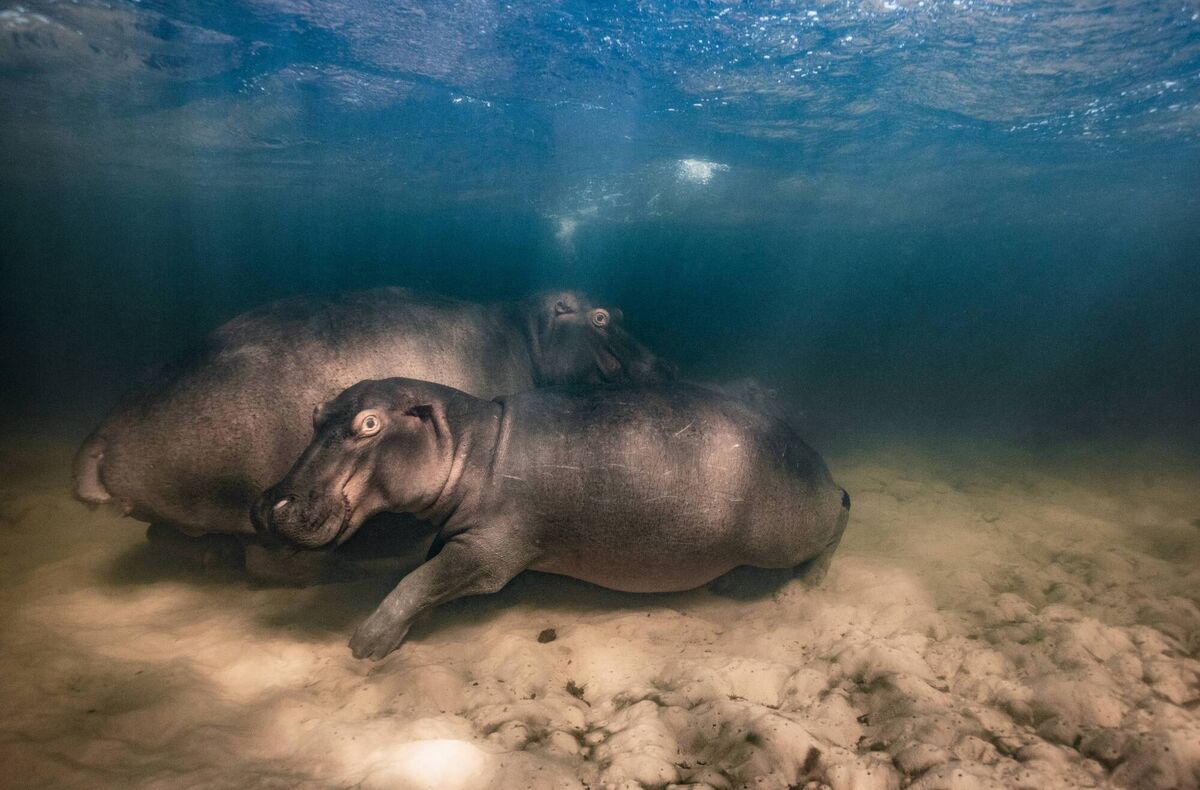
For over two years, Mike Korostelev had been visiting the hippos in this lake and knew they were accustomed to his boat. He spent just 20 seconds under water with them – enough time to get this image from a safe distance and to avoid alarming the mother.
Kosi Bay, iSimangaliso Wetland Park, South Africa
Canon EOS 5D Mark III + 17–40mm f4 lens; 1/320 at f7.1; ISO 640; Seacam housing
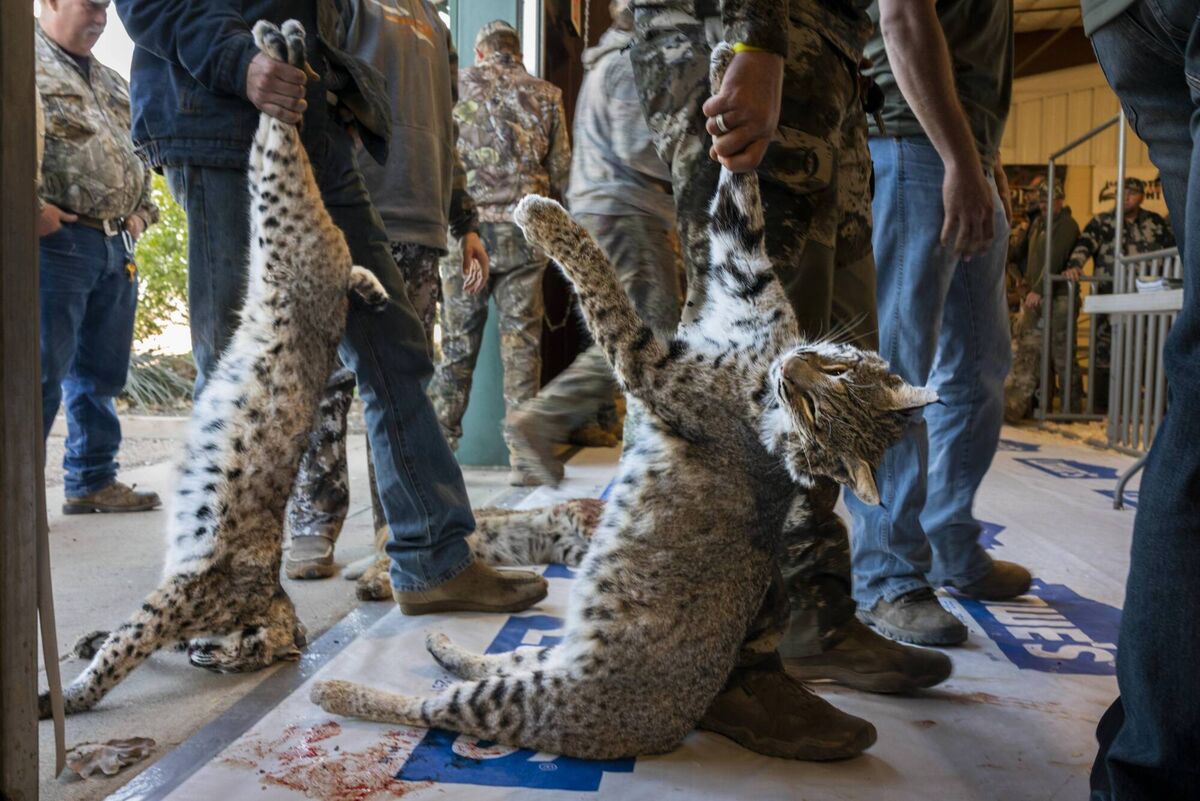
Contestants line up to have their bobcats weighed in the March 2022 West Texas Big Bobcat Contest, the highest-paying predator-hunting contest in the USA. There are a number of prizes, one of which is for the heaviest bobcat. In 2022 the winner of that category took home $35,530.
For some people in the USA, hunting wildlife is a pastime. In Texas, while there are strict regulations covering ‘game’ species, certain predators such as bobcats, mountain lions and coyotes have no protection and can be killed at any time and by any means.
Texas, USA
Sony RX1R II + 35mm f2 lens; 1/40 at f8; ISO 1600
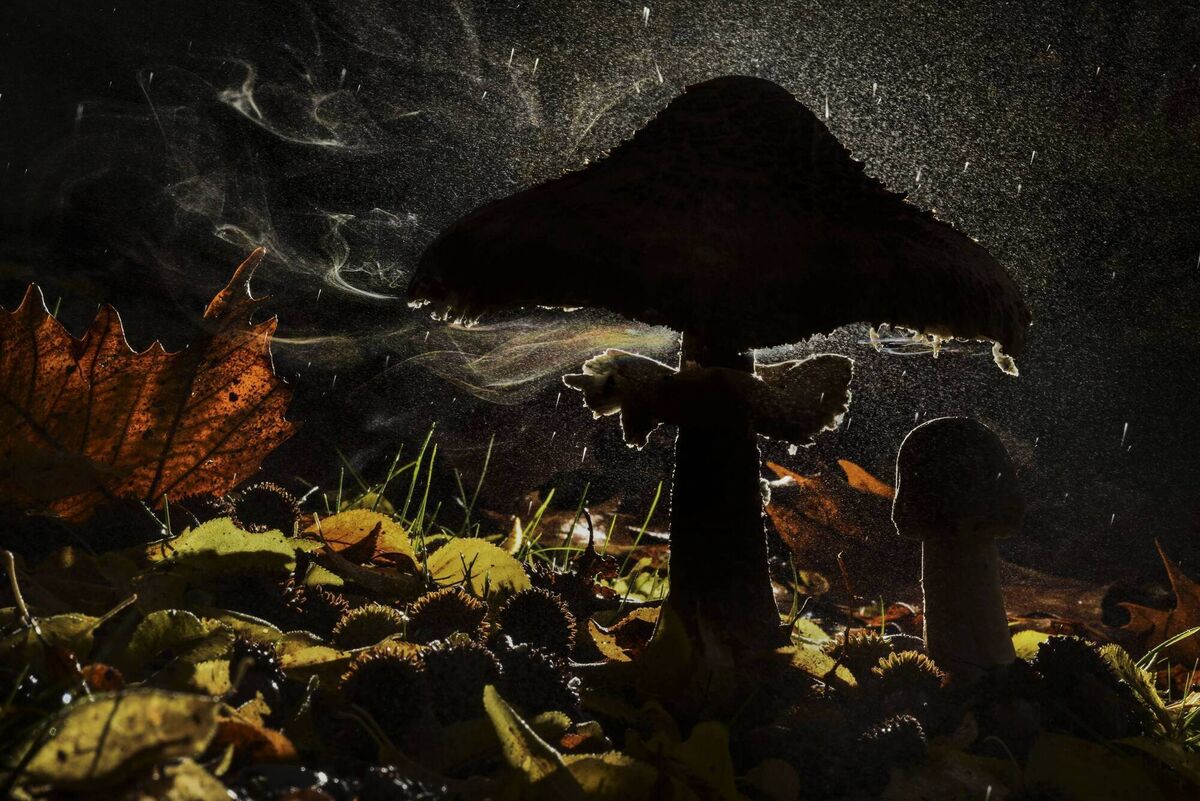
Long fascinated by fungi, Agorastos used his silver photographic umbrella to stop his camera getting wet, and covered his carefully positioned flash with a plastic bag. The colourful touches come from refraction of the light passing through the spore-laden air currents and rain.
Parasol mushrooms release spores from the gills under their cap. Billions of tiny spores travel – usually unseen – in the air currents. Some will land where there is moisture and food, enabling them to grow networks under the forest floor.
Mount Olympus, Pieria, Greece
Nikon D810 + 105mm f2.8 lens; 1/40 at f36; ISO 500; Godox flash + trigger; Leofoto mini tripod
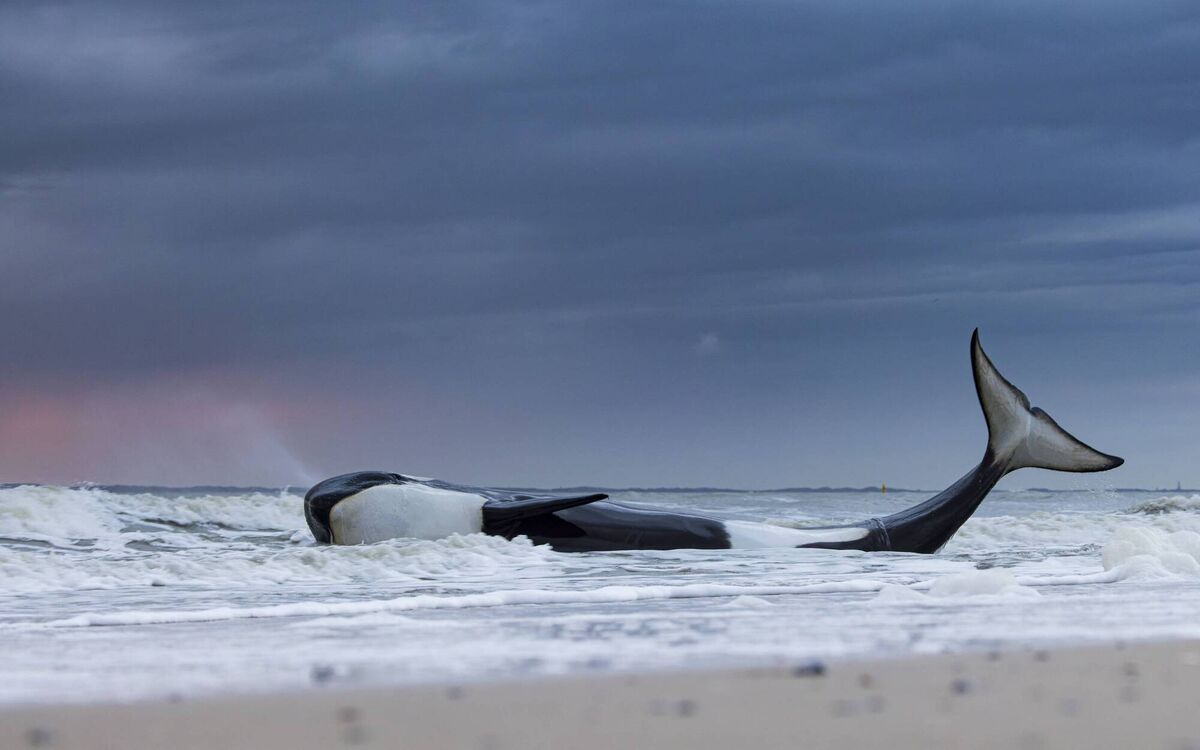
Lennart Verheuvel shows the final moments of a beached orca. Lying on its side in the surf, this orca had only a short time left to live. Initially rescued, it soon was stranded again on the beach and died. A study later revealed that not only was it severely malnourished, it was also extremely sick. Research shows that orcas in European waters have the world’s highest concentrations of polychlorinated biphenyls (PCBs). These banned chemicals can persist for many years in marine food webs.
Cadzand-Bad, Zeeland, the Netherlands
Canon EOS R5 + 100–500mm f4.5–7.1 lens at 100mm; 1/80 at f7.1; ISO 1250
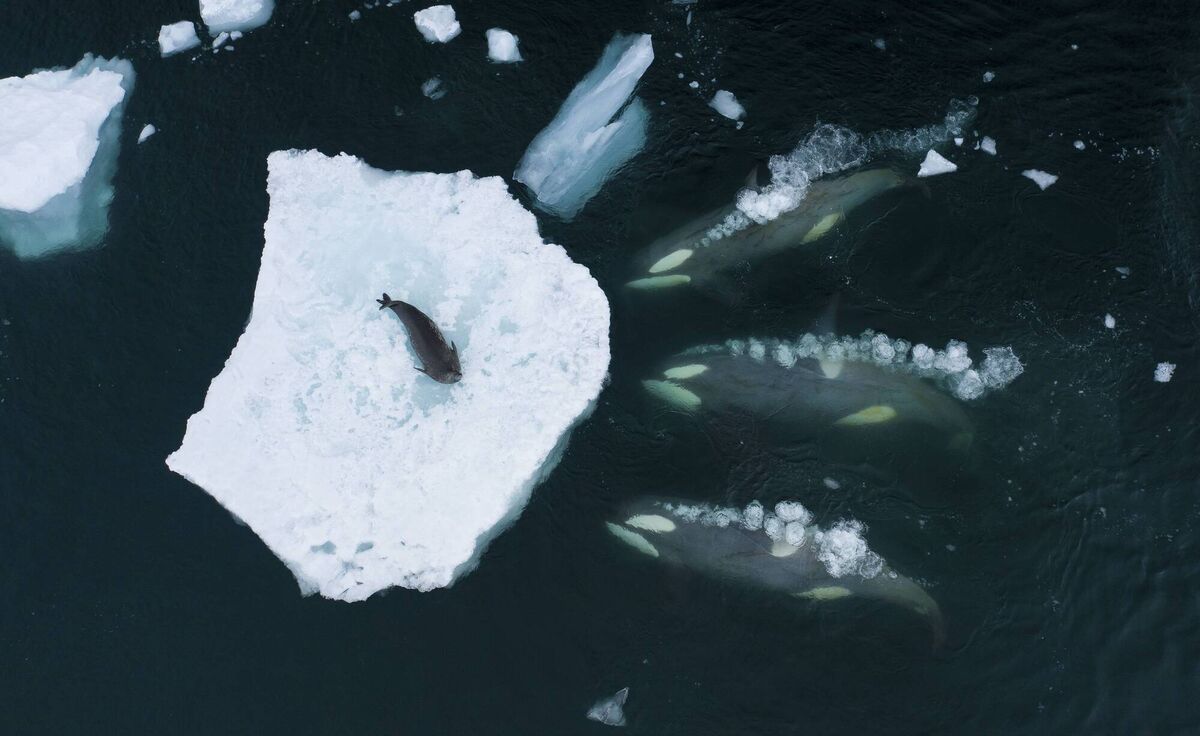
Bertie Gregory took two month-long expeditions searching for orcas. ‘We spent every waking minute on the roof of the boat, scanning,’ he says.
After battling high winds and freezing conditions, he captured this remarkable behaviour with his drone. The orcas are preparing to ‘wave wash’ a Weddell seal.
These orcas belong to a group that specialises in hunting seals by charging towards the ice, creating a wave that washes the seal into the water.
Antarctic Peninsula, Antarctica
DJI Mavic 2 Pro + Hasselblad L1D-20c + 28mm f2.8 lens; 1/120 at f4; ISO 100
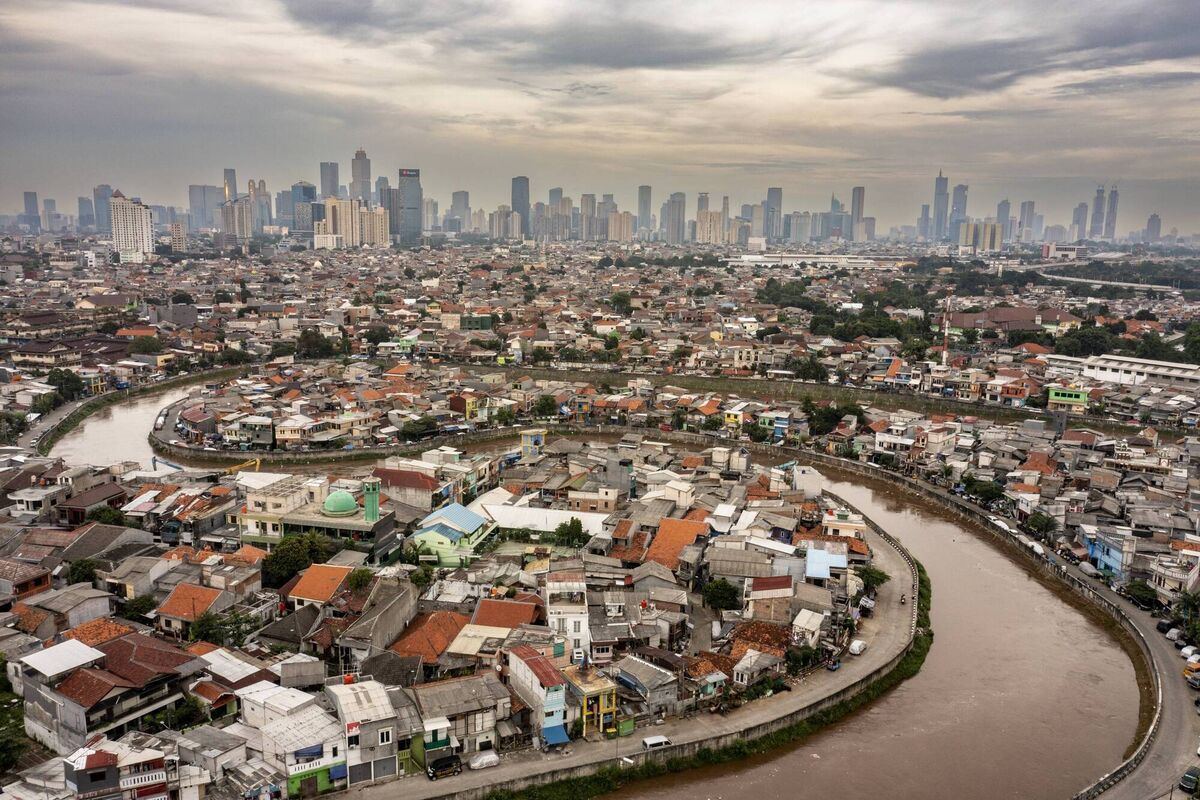
Joan de la Malla provides a bird’s-eye view of the polluted Ciliwung river winding through Indonesia’s capital, Jakarta. To find a time when lower air pollution allowed a clear view, Joan returned to the scene over several days. Plastic rubbish, human waste, agricultural fertilisers and factory waste are suffocating the Ciliwung river. As a result, Jakarta’s residents are having to use groundwater for drinking water. This has resulted in widespread subsidence and the city is now sinking.
Ciliwung river, Jakarta, Indonesia
DJI Mavic 2 Pro + Hasselblad L1D-20c + 28mm f2.8 lens; 1/25 at f6.3; ISO 100
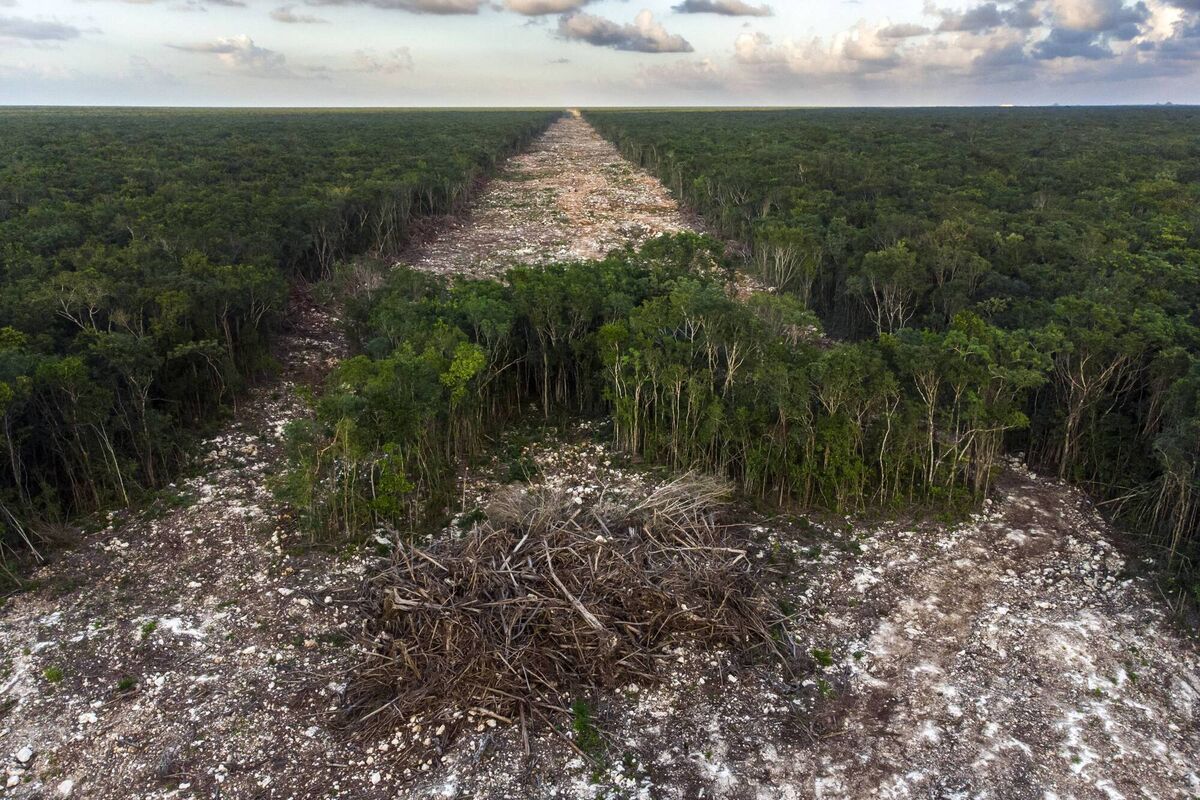
Fernando Constantino Martínez Belmar shows the devastating path of a new cross-country tourist railway line. To reach a point from where he could launch his drone, Fernando was guided through four kilometres (2.5 miles) of an underground cave system.
The government-funded railway line connecting tourist destinations brings economic benefits to Mexico’s southeast, but it also fragments ecosystems, threatens protected reserves and archaeological sites, and impacts Indigenous peoples. While trains are a more environmentally friendly form of transport, conservationists warn of devastating consequences.
Paamul, Quintana Roo, Mexico
DJI Mavic Mini 2 + 24mm f2.8 lens; 1/320 at f2.8; ISO 100
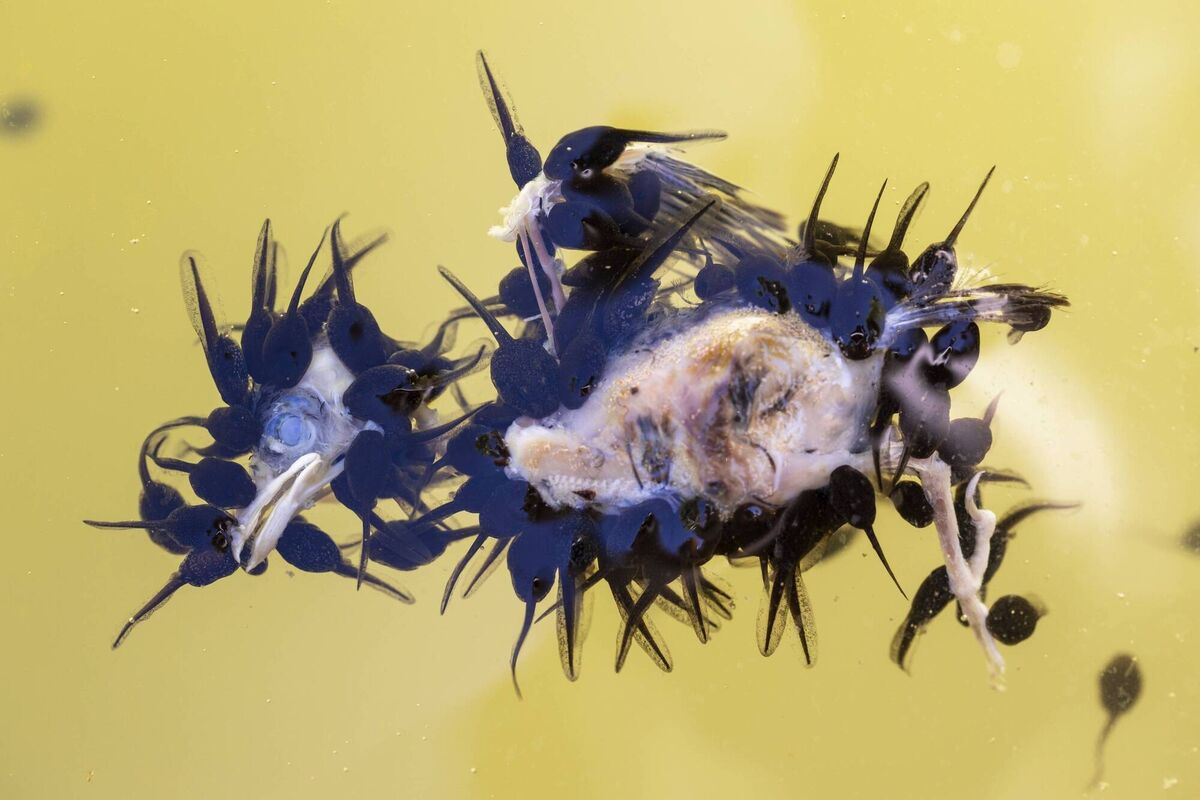
(Winner, Behaviour: Amphibians and Reptiles)
Juan Jesús Gonzalez Ahumada watches as toad tadpoles feast on a dead fledgling sparrow. The drama unfolded near Juan’s home when a newly fledged sparrow launched itself from a nest on his neighbour’s roof and fell into a nearby pond, where it drowned.
Common toad tadpoles have varied diets consisting of algae, vegetation, and tiny swimming invertebrates.
Location: Ojén, Málaga, Spain
Technical details: Canon EOS R6 + 100mm f2.8 lens; 1/80 at f5.6; ISO 320; ring flash
- The Wildlife Photographer of the Year exhibition is open at the Natural History Museum in London from October 13, 2023 to June 30, 2024. For details and more photographs, see https://www.nhm.ac.uk/