Book review: Magical read The Land of Lost Things is a story of hope
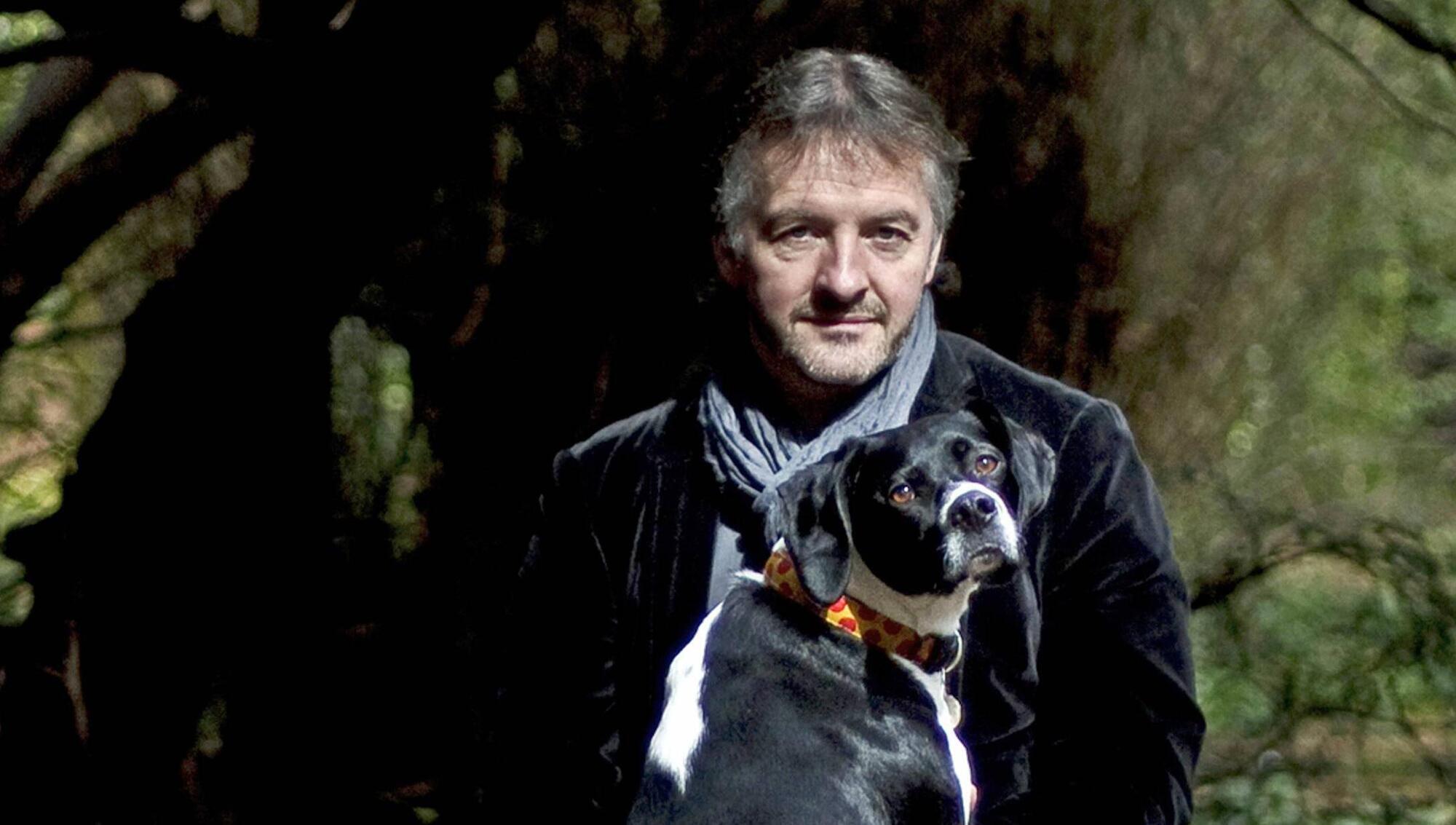
Author John Connolly. Picture: Mark Condren/PA.
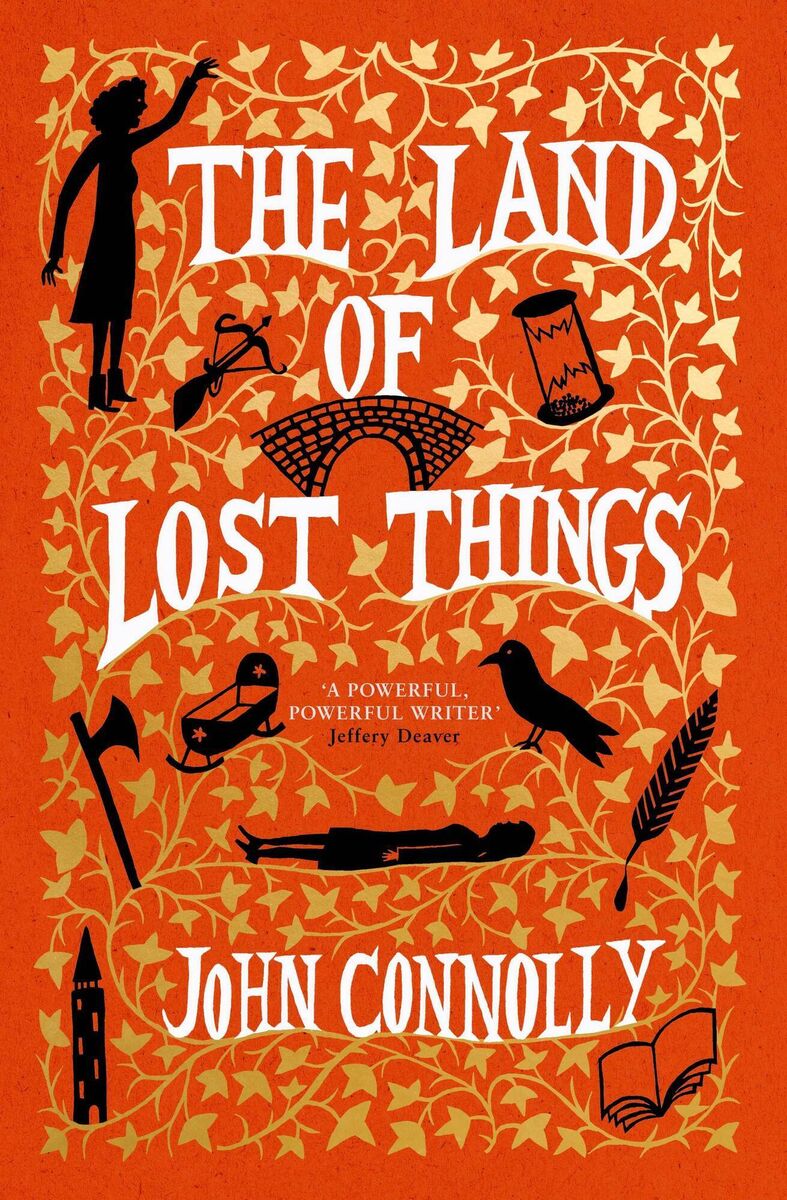
Ceres is a single mother whose daughter Phoebe has been knocked down by a car and is in a coma, unresponsive in hospital. All she can do for her beloved daughter is sit by her bed and read aloud to her the fairy stories they both love.
After months of hoping her daughter will wake, Ceres is desperate, miserable, thinking about giving up, ending her life. She’s going through a dark night of the soul when she comes upon an old house in the hospital grounds. It draws Ceres and she enters, where she is transported into an alternative reality, to a place called Elsewhere. She ages backwards to 16, which she sometimes finds frustrating on her journey, simultaneously having adult understanding but forced to cope with teenage feelings.
Elsewhere is the world of her father, who loved folklore, and of the fairy tales Ceres has so enjoyed sharing with her daughter. She embarks on a journey to a land filled with terrifying creatures, among them witches and dryads, and the Crooked Man, who devours infants. Early on Ceres meets the Woodsman, who becomes a father figure and protects her, but sometimes she argues with him, much as teenagers do.
David, the central character in Connolly’s The Book of Lost Things, published 15 years ago, appears. However, this novel is stand-alone, so you don’t need to have read its hugely successful predecessor to enjoy this one.
It’s a magical, absorbing read — in places comic, in others horrifying, with stomach-churning descriptions of killings — but then if you recall the Grimm’s Fairy Tales there’s nothing gentle about them.
The reader needs to suspend disbelief, just as we did as children listening to fairy tales read to us by adults.

Among the many references to familiar nursery tales are mentions of dwarfs returning from work, and of three small houses, one of straw, another of sticks and the third of bricks, plus the smell of barbecued pork. Ceres’ encounter with a crossbow-wielding Rapunzel is unforgettable — she’s as far from a heroine trapped in a tower as she could be. It’s one of the most amusing passages in the novel.
Throughout Connolly uses fantasy to explore reality — including warnings about the human destruction of nature. When Ceres remembers her beloved father he is smoking a pipe, which ultimately led to his death, so the scent of tobacco smoke which used to remind her of him is now challenged by loss.
It’s these ambivalent feelings which enrich the narrative. Ceres is forced into examining her beliefs and her relationship with her daughter as she journeys through Elsewhere. In Roman mythology, Ceres was a goddess of agriculture, fertility, and motherly relationships.
The novel is full of references to folklore and fairy tales, which speak to something primitive in us. Within the novel, fables are retold such as The Woodsman’s First Tale and The Father’s Tale which act as a commentary on or an enhancement of what is happening in the story. Each chapter title is in an archaic language, including Old English, Old Norse, Cotswolds, and Scots, translated underneath. They are a reminder of the provenance of the stories which have inspired the narrative.
Central to the novel is reading and its importance, together with the escapism books offer us. It’s a dark and dangerous fairy tale, where awful things happen, but where there is also kindness, loyalty, love. Ultimately, it’s a story of hope.
- The Land of Lost Things by John Connolly
- Hodder & Stoughton, €14.99

Subscribe to access all of the Irish Examiner.
Try unlimited access from only €1.50 a week
Already a subscriber? Sign in