Book Review: Sebastian Faulks' Seventh Son would benefit from a more serious approach
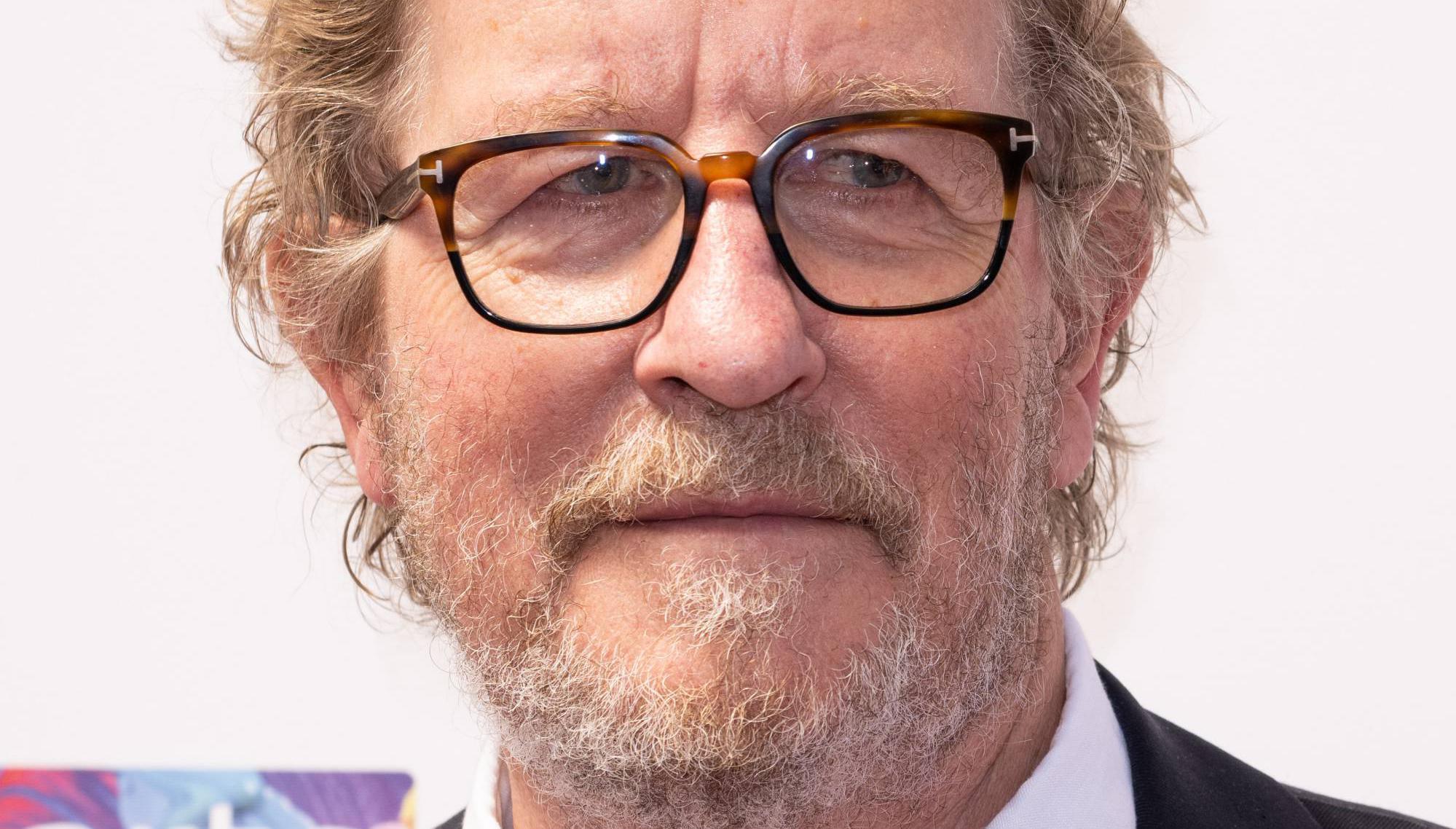
Sebastian Faulks attends The South Bank Sky Arts Awards 2022 at The Savoy Hotel on July 10, 2022 in London, England.
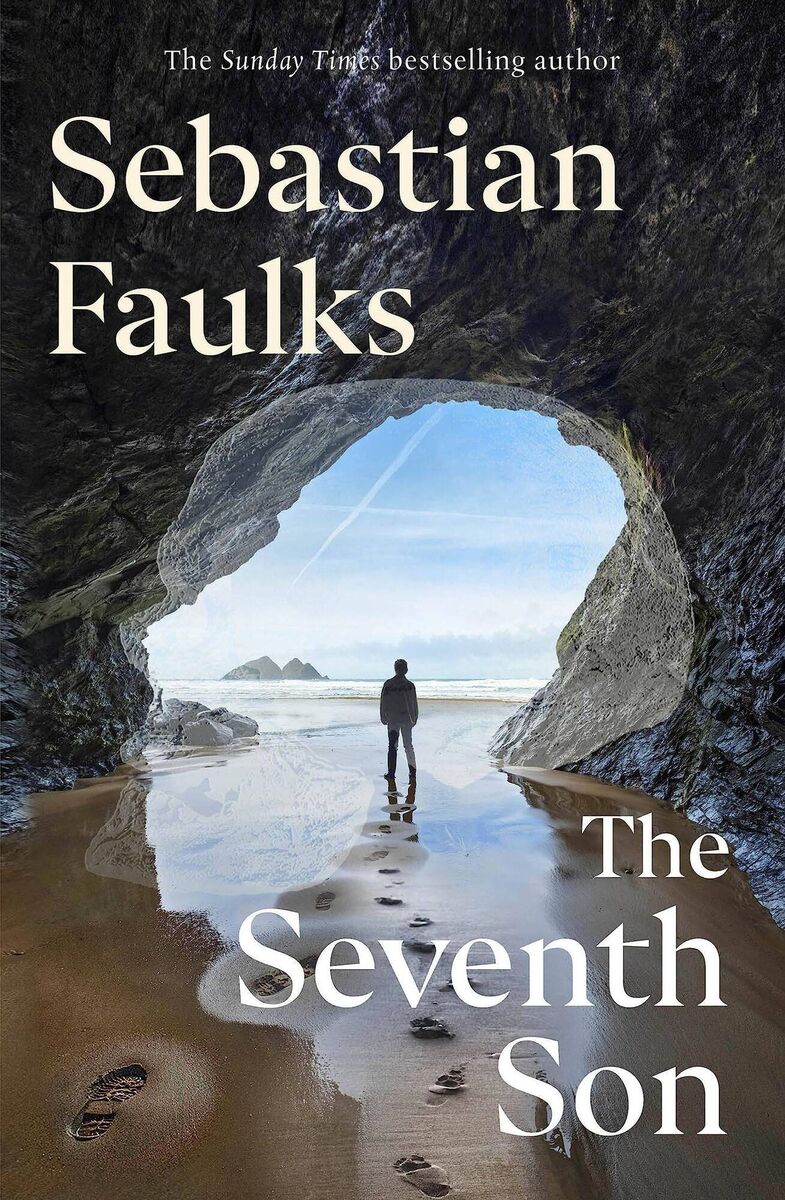
The Seventh Son
Sebastian Faulks
Hutchinson Heinemann, €17.99
The English writer Sebastian Faulks is best known for his first world war trilogy, , , and . The novels were praised for their literary qualities and also commercially successful in the 1990s. His 16 novels include a successful James Bond one, , proof that he has mastered the thriller genre. His latest is set in the near future, 2030 to 2056, and tackles large scientific and philosophical concerns. Nevertheless, it is strongly plot-driven, with touches of romance and comedy.
Talissa, an independent young American academic, based in New York, agrees to become a surrogate mother in order to further her graduate studies in history and anthropology. It is the only way she can think of to raise the money to fund herself for a year at the Helen Lingard Institute in Boston, after which she will be guaranteed a job. She hears about the project in a bulletin she receives as an academic from the Parn Institute, an establishment funded by Lukas Parn, a young Australian-born tech billionaire who is interested in genomics. His Institute has already reconstructed extinct animals from genetic material, albeit short-lived. Her best friend Susan approves, but it looks as if the project will alienate her boyfriend, Felix, as she will spend a year in London. Known since her schooldays as Fearless Frieda, Talissa decides to go for it.
She is accepted and takes a room with a charming and wise Indian woman in Muswell Hill, Mrs K Gopal, whose grown up children have left home. She is introduced to the pleasant couple for whom she will be a surrogate, Mary and Alaric, Mary having lost her womb to cancer. They live modestly in an unfashionable part of southeast London, where Alaric works as a history teacher, and Mary is a chef. Their favourite escape is wild camping.
The reader gleans scientific information about the state of human genome research from rather clunky conversations among the edgy, competitive staff at the Parn Institute. Lukas Parn has access to genetic material from the skeletons of a recently discovered human species, Homo vannesiensis, nicknamed “White van man”, a throwback to Neanderthal man.
The information is plausible, but it is very hard for the average reader to judge whether it is scientifically sound or not. Perhaps it is the thriller-like atmosphere of high drama that made me wary. With a more serious novelist like Ian McEwan this would not have been a problem.
Gentle humour is used throughout in Faulks’ descriptions of everyday life in the future. He is obviously enjoying himself. All Talissa’s teaching is done by AI. Vegetarian is the default diet, and meat becomes ever harder to find. Cars are self-driving and talkative, and transatlantic travel takes two hours.
Talissa’s surrogacy goes smoothly and the baby is handed over to its parents. The child Seth is a little strange, but also brilliant and goes to an Oxbridge college to study engineering. Women are strongly drawn to him. The reader knows that Alaric’s sperm has been substituted, but only gradually does the truth emerge, thanks in part to Talissa’s vigilance: Seth is a new breed of human: Homo sapiens 43.5 per cent, Homo sapiens neanderthalensis 55.1 per cent. He is a Neanderthal, and the inevitable revelation of his existence is a sensation. At the age of 26, he heads for a remote island in the Scottish highlands with Talissa, in a bid to escape the unwanted attention of the world’s media.
There are many good things in his novel, including readability, but for me the character of Talissa, likeable as she was, failed to convince, staying subservient to the slick, thriller-style plotting.








