Book Review: Why Beethoven explains the composer's modern prominence
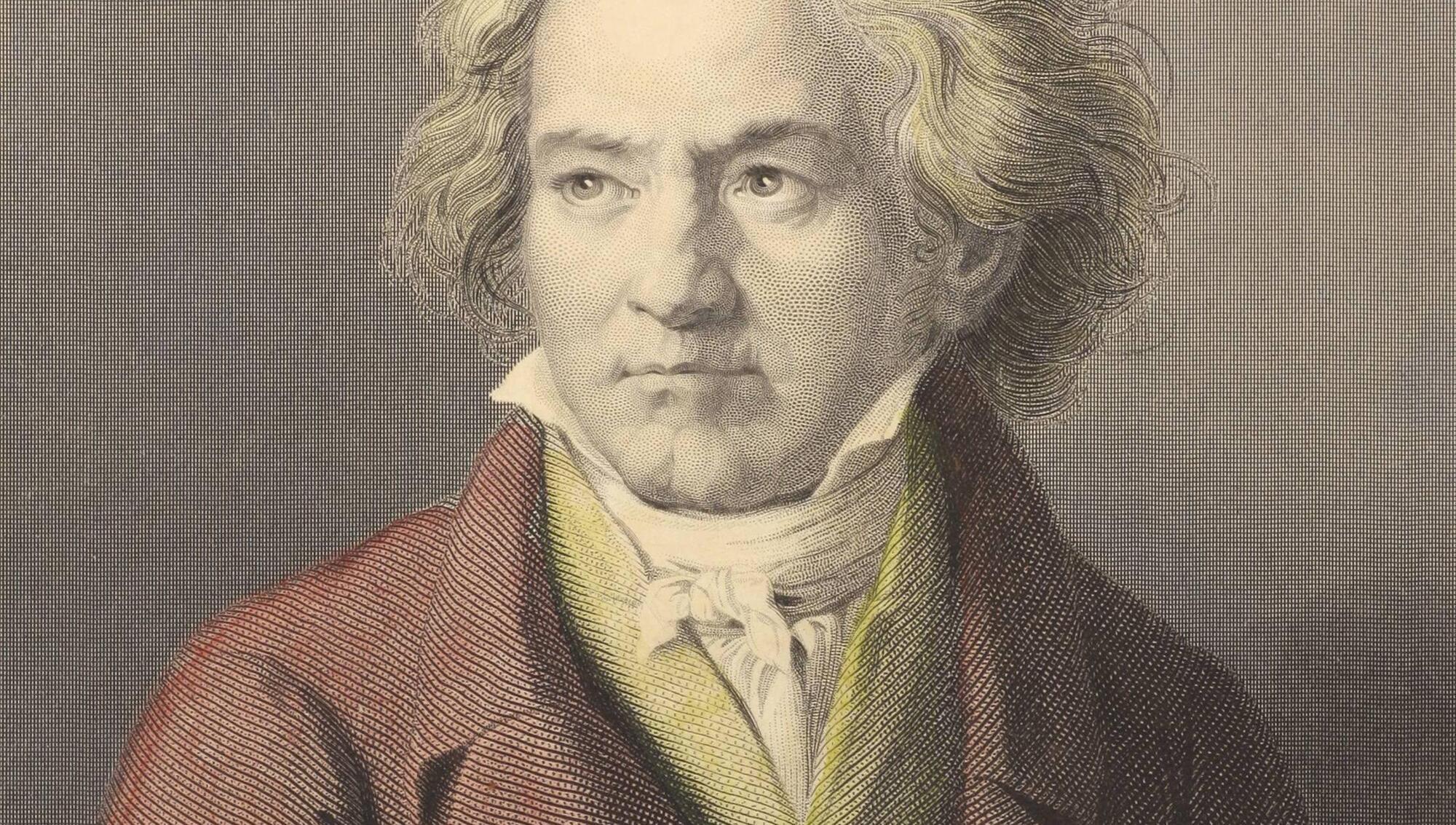
Ludwig van Beethoven
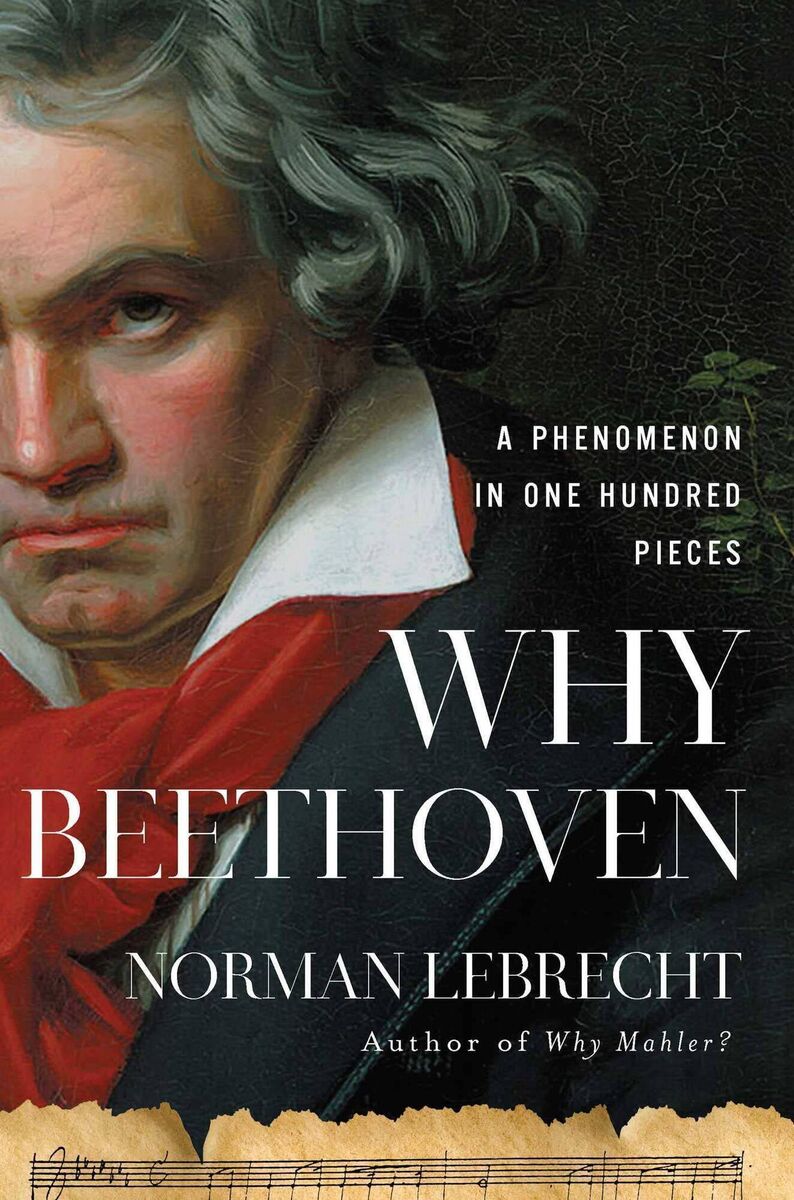
- Why Beethoven: A Phenomenon In 100 Pieces
- Norman Lebrecht
- One World, hb €28
This wonderful book inspires, challenges, cajoles and entertains. It is so grand in its sweep and erudition that like its subject it sets the bar at a height that might, in fact probably will, dissuade others who might wish to publish a new view of one of Western civilisation’s pillar figures.
It’s 13 years since British writer Norman Lebrecht gave us That was an analysis of why Mahler’s symphonies met extremes — love or hate — when first performed but on Mahler’s death in 1911 fell into a cultural coma, all but forgotten and rarely performed.
Now, his work is central to contemporary concert repertoire. — sans question mark — celebrates that the world at once recognised that Beethoven’s work is so visceral, that it is as fundamental as chromosomes that it avoided Mahler’s fate and has been a constant pulse in much that is admirable, reassuring yet challenging about humanity.
In his heartbreaking Heiligenstadt Testament, in which Beethoven admits to his brothers Carl and Johann in October, 1802, that he is deaf but pledges a renewed commitment to his work Lebrecht says that the composer “teaches us that bodily impairment can yield spiritual compensations. A Beethoven with full hearing could not have conceived the late quartets, works in which he reaches beyond the grasp of his musicians, beyond the here and now.”
No victimhood from Ludwig.
Beethoven was born in Bonn in 1770 and died in Vienna in 1827 so it’s time to start planning the 200th anniversary ceremonies. That he was deaf for the last 25 of those years underlines the potency of his legacy. That he was “unruly, offensive and hopeless in so much of his life, yes, but driven to a fault and devoted to his art conquering deafness to compose some of the towering works of our culture” assures his place in the pantheon.
Just as Bob Dylan did in last year, in which he discussed over 60 more or less contemporary recordings and their place in the mosaic of today’s culture, Lebrecht picks 100 of Beethoven’s compositions and parses the work. He also offers critiques of myriad recordings and is refreshingly direct. Speaking on Piano Sonata No. 23 in F minor — — he wags his fingers at five pianists more used to adulation.
“Topping my reject pile are Vladimir Horowitz (capricious) Van Cliburn (unimaginative) Glenn Gould (over-imaginative) Evgeny Kissin (relentless) and Lang Lang (unfeeling). Not even Dylan, no stranger to the effectiveness of a lofted mortar, would tilt at the great windmills with such acidity. He is also happy to share the views of those who sing from the same hymn sheet. His reporting of conductor Nikolaus Harnoncourt’s view of his peers is a good example. “As a cellist,” he’d say, “you realise how few conductors are interests in music. For the most, the concert hall is just an arena where they perform masterly dressage as tamers.”
Just as Dylan’s book might have seemed daunting at first may seem to require a knowledge of 100 Beethoven pieces probably beyond anyone without an education in classical music and a sharp ear. Not so.
Lebrecht mixes scholarship, red-top voyeurism — one Irish lady is remembered for her athletic romances — and a profound love and admiration for the works. It would be an overstatement but not by much to describe as a to guide the interested but unsure the pot of gold at the end of the Beethoven rainbow. And like all wonderful books, you can dip in out as your appetite decrees. It is a wonderful primer but much more as well.