Book Interview: Eithne Shortall on her relationship to the thriller genre, and 'The Lodgers'
Eithne Shortall
- The Lodgers
- Eithne Shortall
- Atlantic Books, €11.99
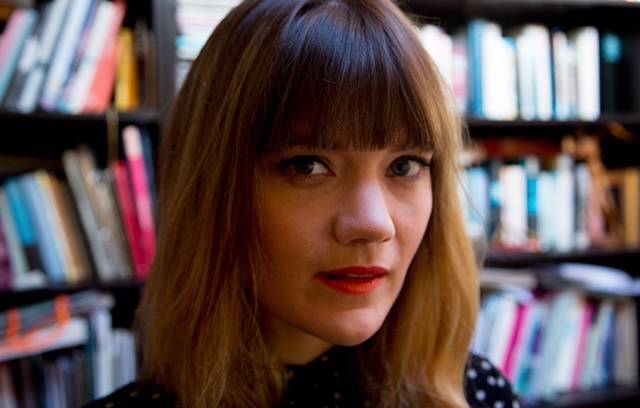
Eithne Shortall is refreshingly honest about the reality of being a full-time writer. The hours of isolation required by many authors are a luxury she can’t afford as the mother of two small children, aged two and three, and she has no problem being asked about how she juggles her job with the demands of motherhood.
“I understand why people don’t talk about it, but I couldn’t not talk about it. My kids are most of my life — they’re most of my headspace,” she says. “I was recently listening to a podcast interview with a male author and he was talking about going out to his writing shed, and getting away from the house. It was 42 minutes into it before he made one brief mention of his kids. I don’t know how you talk about how you write without taking in the fact of children, who are obviously a huge demand on your time.”
Shortall, who lives in Drumcondra, Dublin, previously published four previous novels while a staff journalist with , a role she left last year. Her fifth book, , is the first she has written as a full-time author. The novelty of being a debut author is long gone but she says that every book still feels like a new beginning.
“Honestly, every time I start writing a book, I can't remember how to do it. People often ask about your process, how you write, your approach to first drafts. Mine is different with every book. I also feel the same sort of nerves before a book comes out, exactly the same as I did the first time around. I guess there are points in the writing process where you think ‘this is terrible, it’s not going to work’, but now I can trust that it will work out. That’s probably the only thing I really feel like I’ve learnt.”
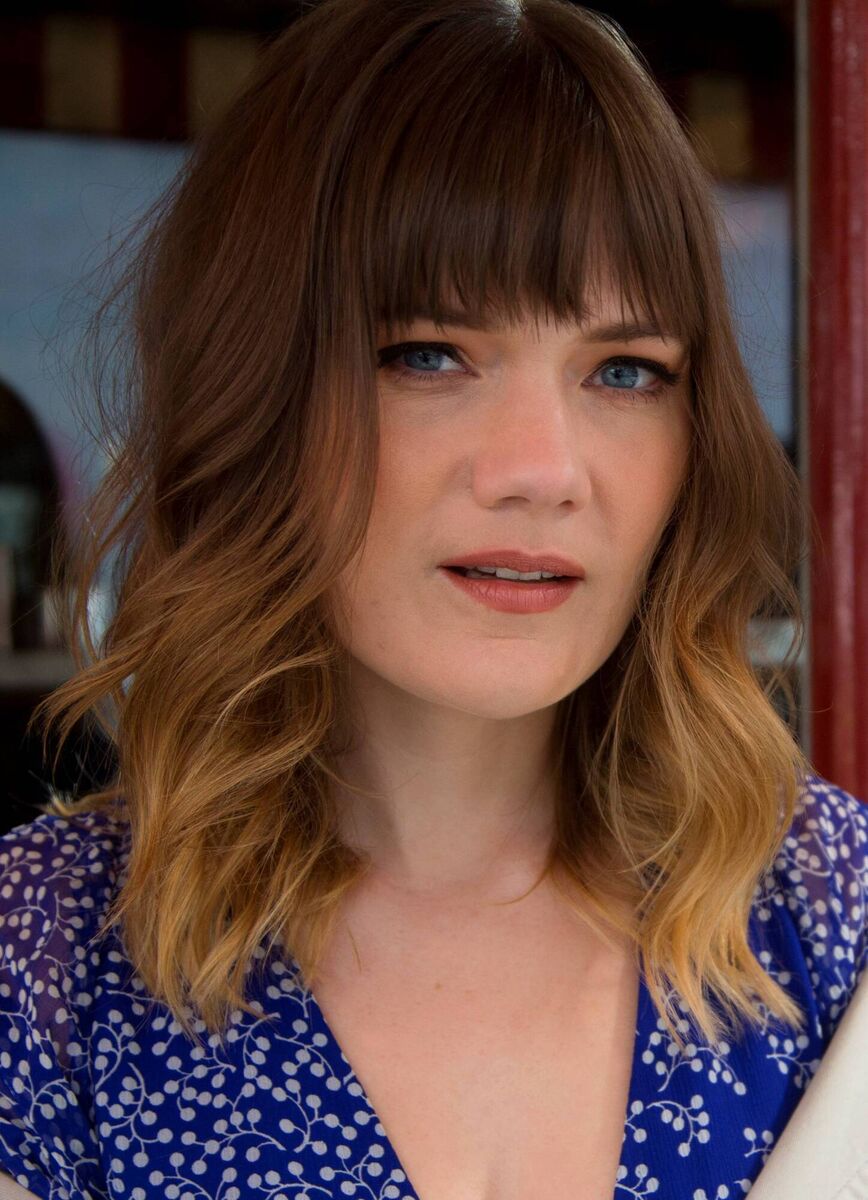
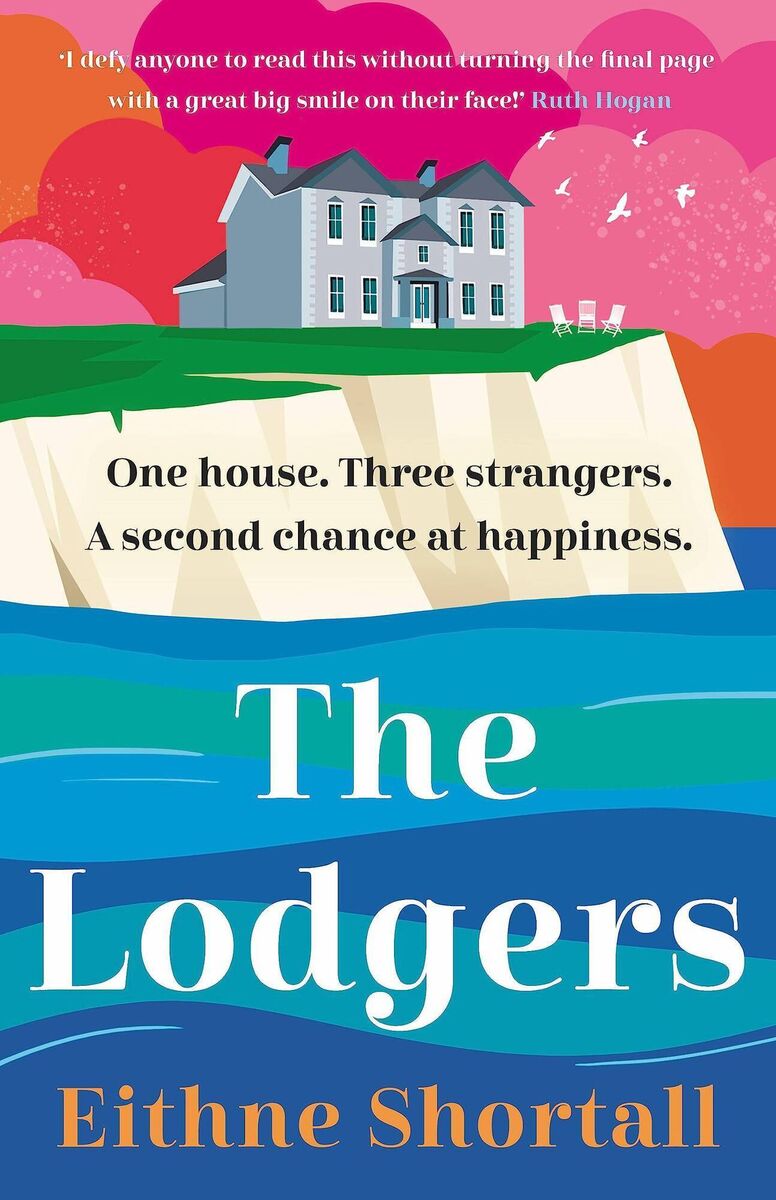
Her latest book centres on 69-year-old Tessa, who can no longer live alone after a fall and takes in two lodgers, Conn and Chloe, rent-free. At its heart is friendship and community, with the mystery of Tessa’s long-lost daughter thrown into the mix. There were many real-life inspirations for the book, says Shortall.
“All my books have an intergenerational relationship, and I love writing that. I love that dynamic — I have it with my grandmother, with my mother, my aunt. There’s the wisdom that can be passed down but there's also that lovely thing that I can see in the older people in my life, where they they care less about other people — what other people think.”
Shortall began writing around the time of the invasion of Ukraine, and the outpouring of support for those affected in Ireland was also an influence.
“It was so bleak but the one great story was when Irish people were coming forward and offering their homes and I really was affected by that. The selflessness of it was lovely. So I had that idea of someone taking someone else into their house in a largely selfless capacity.”
Shortall’s first book , about a match-making flight attendant, was a bestselling romantic comedy, placing it firmly in the commercial fiction category. She followed it up with , another love story, but that wasn’t the original plan.
“I genuinely didn't realise that when you write a book, and you have a two-book deal that the publishers want the same genre again. I wrote this feelgood rom-com and then I pitched a thriller as my second book, and my publisher was like, ‘oh, that's a great idea but no, that’s not going to work’.
“I wasn’t consciously thinking about genre. So my first two books were love stories and then the next two [ and ] were suburban mysteries or dramas and my fifth is an absolute mix of those two things. But even that move from love stories into mysteries was a difficult sell to the publishers because they do want to put you in the same place on the shelf. But I can understand that. If I was picking up a Maeve Binchy book, and it was a thriller or sci-fi, I’d be like, ‘well, no, that’s not what I'm here’.”
She says that many people were surprised that as an arts journalist, she hadn’t opted to write literary fiction.
“I didn’t set out to write in any genre, I just had a good idea for a book. And that was the book that I wrote. I read absolutely everything but at that point, I probably was reading more highbrow literary fiction. And it ended up not being what I wrote. Now I probably read more commercial fiction — I think there is still a snobbery around that distinction and maybe I had it a little bit myself once.”
Shortall explored this subject in a fascinating BBC documentary about romantic fiction publisher Mills & Boon. It featured a rare interview with Ballymena author Lynne Graham, who has sold more than 40m books worldwide.
“I think she’s probably the best-selling living author on the island of Ireland but because of the genre of fiction that she’s writing, nobody knows who she is. She had dealt with some really crappy stuff from neighbours and the church because of what she was writing. I have no snobbery around genre and I don’t really think readers do either, a good book is a good book and I do think all of that is coming more from the publishing and marketing side of things.”
Readers of commercial fiction are especially enthusiastic about giving feedback to authors and social media has provided a platform that bypasses the traditional gatekeepers. As a former occasional reviewer herself, Shortall is particularly interested in how social media has been a gamechanger in this regard.
“I enjoy getting reviews online, if it’s positive,” she laughs. “It is very rare that anyone will tag you or whatever on a negative review. Another phenomenon that is really interesting is Bookstagram, where people on Instagram post about books. Even though I did newspaper reviews, I now would value the Bookstagram review more because it comes entirely from your emotional instinctive response to a book. When you’re reviewing for a paper, it’s a different thing, it’s more cerebral, I guess. Whereas I just love if people are absolutely effusive about a book or even if they don’t like it and they can be funny about it, that really honest, emotive response gets you more excited about a book.”
Shortall believes that getting people to read anything is an achievement given all the competing demands for our attention.
“The enemy is the phone, or something that will take your concentration instantly. When I’m publishing a book, I’m not competing with other authors, we’re all just competing with the phone — that people will read a couple of chapters without picking it up. It’s the same with making movies or TV — you’re trying to get people to watch TV without looking at their phone. That’s the competition.”
As for the abandoned thriller, Shortall has now returned to it. Perhaps it’s easier to follow her own path now that she has become used to taking that leap into the unknown.
“I’m calling the thriller my side project and I’m nearly finished the first draft on it. Leaving the day job was a risk but I felt fine about it. My partner is about to go to college now to study something new. We are just a house of taking risks at the moment.”