Electric Picnic: Tried and tested tips to survive the weather at Ireland's biggest festival

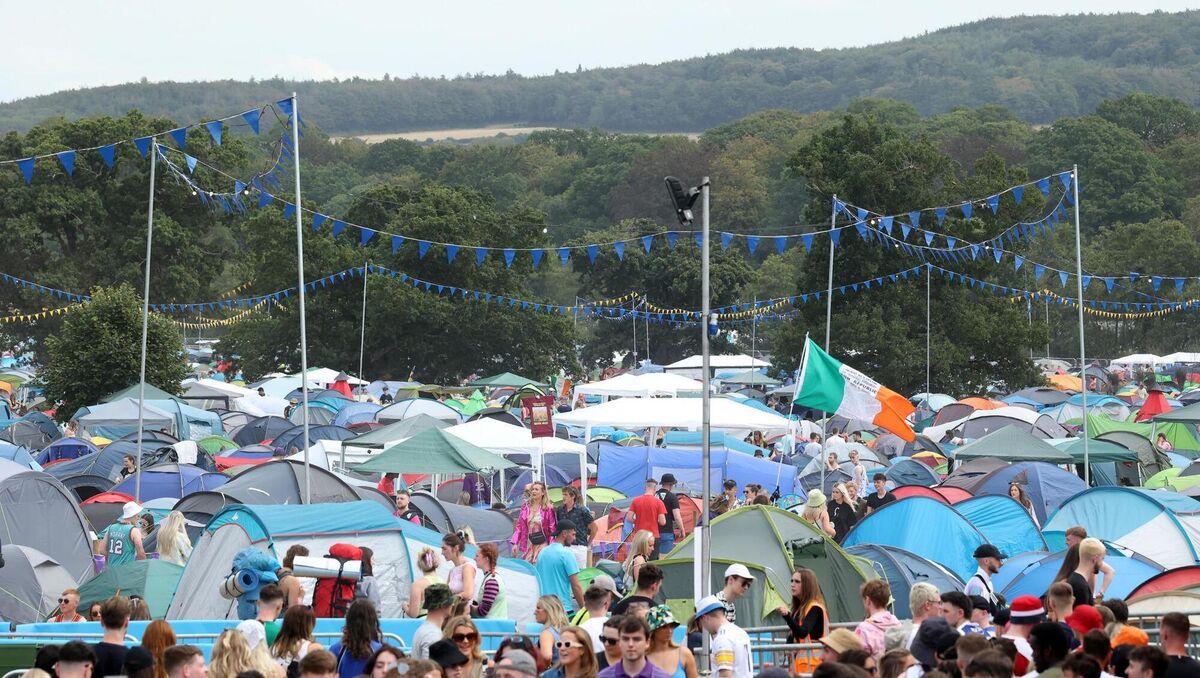
Getting all set for Electric Picnic means proper preparation. Picture: Sydney Gawlik
Let me set the scene.
Try from €0.25 / day
SUBSCRIBE
Getting all set for Electric Picnic means proper preparation. Picture: Sydney Gawlik
Let me set the scene.
You’re in a field in Co Laois. It’s 4am. It’s lashing rain. After clocking up 40,000 steps, you make the final journey back to your tent for some much-needed respite, only to find that tent partially collapsed and soaking wet.
This was the predicament I found myself in during the first night of Electric Picnic 2022. As I slithered my way into a damp sleeping bag, I vowed to never let this happen again.
“Whether it’s rain, hail, or shine, I will be fully prepared next year”, I told myself while making the long journey back to my car for an hour of sheltered shuteye.
Before every Irish festival, we’re warned about the possibility of bad weather and often, this advice is ignored. Sure, what harm is a bit of rain? A lot of harm, it turns out.
While my tent was a major problem, it surmised how woefully unprepared I was for the weather.
Post-EP ‘22, I have become the Irish mammy of my group, reminding people to pack their wellies.
I watch “get ready with me for a festival” videos on TikTok and tut at the notion of bringing a vintage leather jacket along.
“What if it rains?!” I scream, hardly recognising the prepared person I have become.
Unfortunately, I don’t have a crystal ball or a meteorologist to hand, so I can’t tell you what the weather will be like for Electric Picnic 2023.
However, I can tell you this: It’s a weekend in Ireland in September, so it will rain at some stage, and when it does, you’ll wish you came prepared.

The tent
Let’s start with my main mistake. Get a decent tent.
Do not be that person heading into a shop the night before and settling for whatever sort of shelter you can get your hands on.
If you can afford it, a good quality tent is well worth the investment — or at least a bit of research into your options.
If your budget doesn’t allow for that, make sure you at least get waterproof spray and a groundsheet.
You can pick up waterproof spray for a tenner while the ground sheet goes under your tent and stops water seeping in from the ground — plus it helps to add extra warmth.
These extra layers of protection will help improve your chances of staying dry.
Do a run-through at home a few days prior and set up your tent in the garden to make sure you’re not missing any parts.
You’ll save a lot of time at the campsite if you know what you’re doing.

Getting there
When I said I clocked up 40,000 steps on day one, I was not joking.
After many wrong turns, the journey from the Red Car Park to the campsite was akin to climbing Mount Everest.
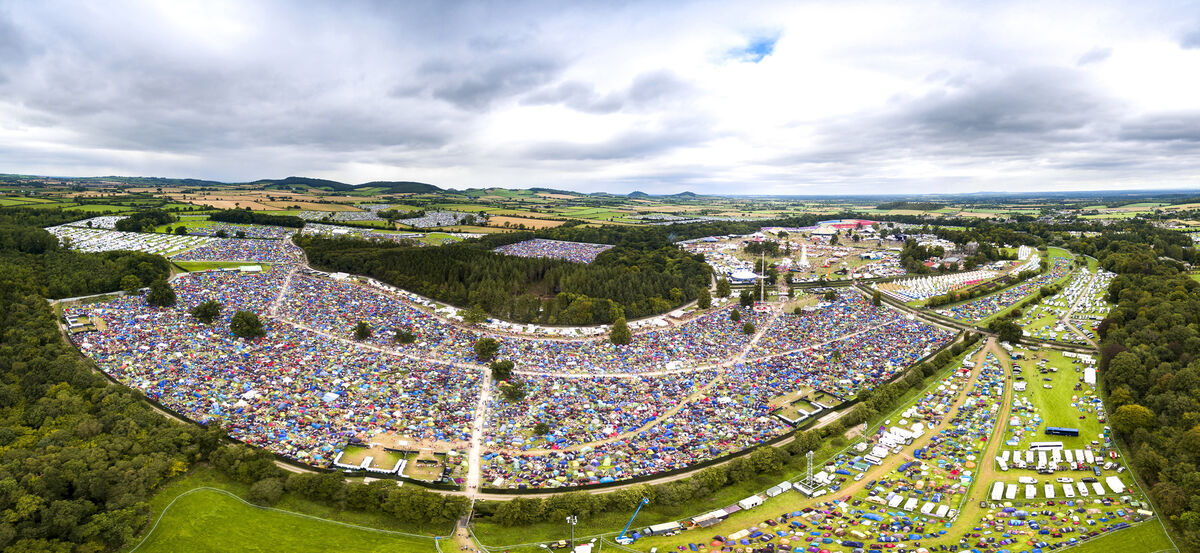
So, make sure you know where you are going once you get in. The campsite area can feel like a bit of a maze after a while.
There will be plenty of people along the way to ask, but as is the theme of this article, it is best to be prepared or you might find yourself walking in circles for hours.
Packing
One big non-negotiable rule is to pack as light as you can.
Between camp chairs, tents and sleeping bags, you will already find yourself loaded down.
My second rule: No matter how tempting it is, do not bring a suitcase.
Dragging a broken case through the mud is much more difficult than carrying a backpack, but, every year, there are a couple of people who fall into this trap.
Transport trolleys or carts are a good alternative as the wheels are much larger and more durable – but depending on the weather, these may also be at risk of breaking.
I know we’re talking a lot about the rain, but don’t forget to pack your SPF and apply every day no matter what the weather is like — you’ll be spending all of your time outdoors.
Lastly, store your clothing in plastic bags within your rucksack to avoid anything getting wet en route to the campsite (and in case of any leaks in your tent).

Keeping warm and dry
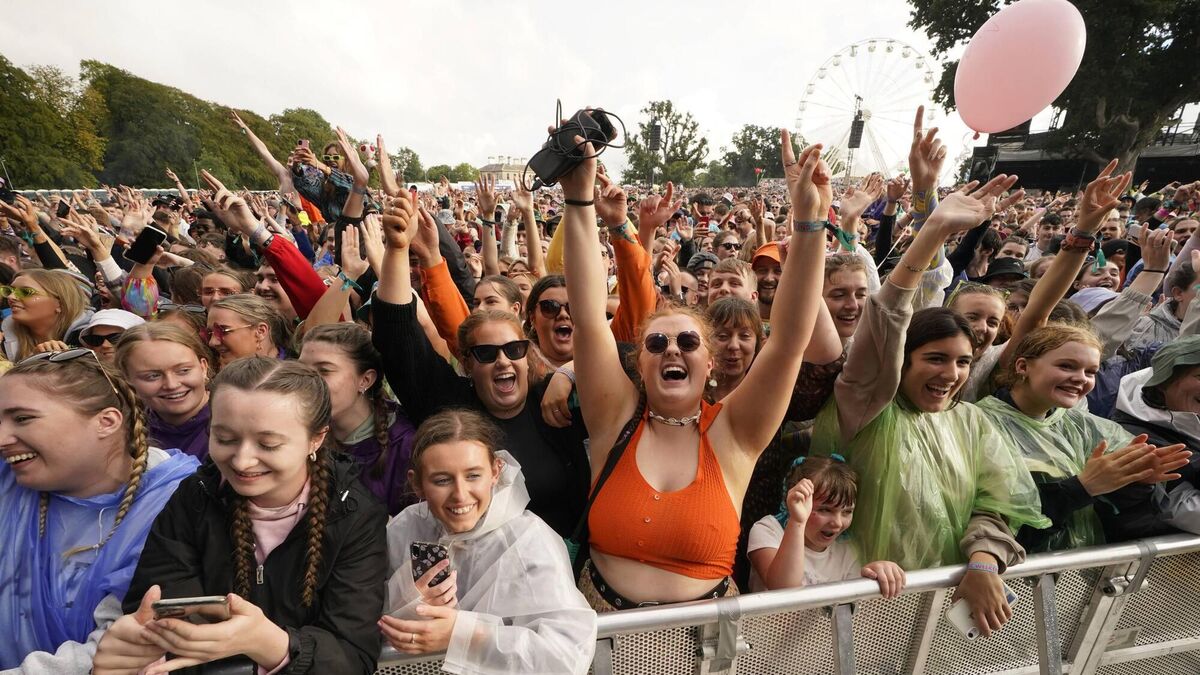
A good, long raincoat with a hood is the best place to start. As are a pair of wellies or comfortable, well-worn-in boots that you don’t mind getting destroyed in mud.
This is the type of advice I used to roll my eyes at. If I can’t wear my cool outfits at EP, then when can I?
But trust me, you’ll get much more use out of these seemingly boring practical items than you will from a pair of silver cowboy boots.
Waterproof trousers are another worthy addition to your festival wardrobe if lots of rain is forecasted.
This sounds like a fashion lover's worst nightmare but when the downpours are really bad, keeping dry becomes the main priority.
Most people get changed and add extra layers in the evening, so this could be a good option for then, and they’re light for packing.
For keeping warm at night, thermal leggings, tops, and fluffy hats are your best friend. Ski socks are a personal favourite and work great under boots or wellies.

One more tip...
Put your name and a friend’s number on a sticker that can go on your phone case or inside a clear case.
If you lose your phone and it’s found while low or out of battery, your contact details are still easy to spot.
Once you’ve experienced a washout, you can’t help but allow it to change your festival habits for the future.
It may take a little extra time to ensure you’re prepared, but it is well worth it.
Less time worrying about the weather means more time enjoying yourself – even if it is in wellies and a raincoat.
Newsletter
From music and film to books and visual art, explore the best of culture in Munster and beyond. Selected by our Arts Editor and delivered weekly.
Newsletter
From music and film to books and visual art, explore the best of culture in Munster and beyond. Selected by our Arts Editor and delivered weekly.
© Examiner Echo Group Limited