Book Review: Loveless labours lost - and the label that launched Oasis
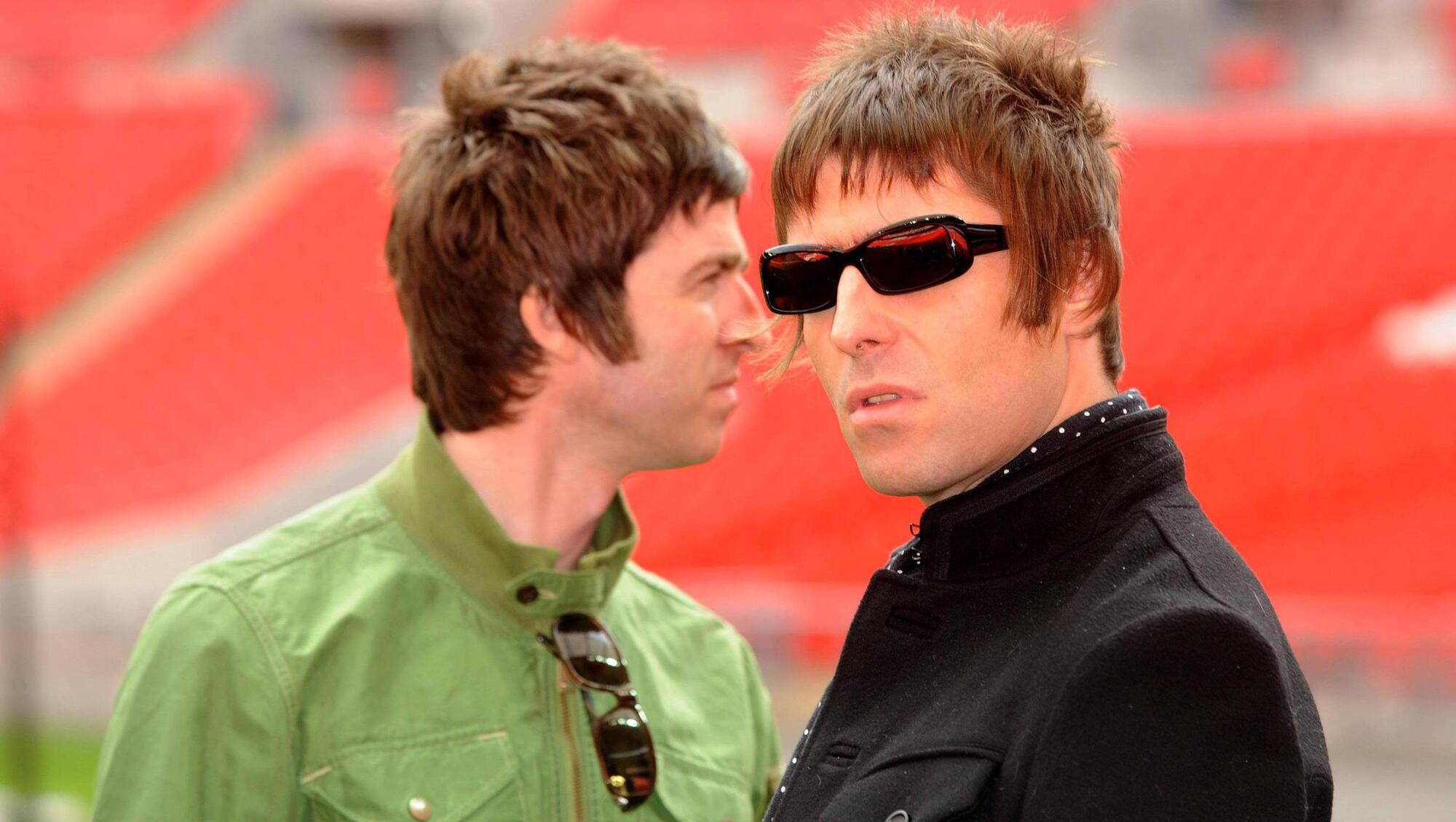
Oasis band members Noel Gallagher and Liam Gallagher pictured in 2008. Pic: Zak Hussein/PA Photos
- The Creation Records Story: My Magpie Eyes are Hungry for the Prize
- David Cavanagh
- Faber: £20
1988 in Kent, and Alan McGee’s try-hard band Biff Bang Pow! are playing a gig on strict condition they headline.
The support act were My Bloody Valentine, who had moved to Germany in 1985 due to feeling unappreciated in England.
They’d since had a couple of good reviews, though were living in squalor.
McGee’s thoughts while watching their support slot: “They were really powerful. After two songs, I turned to Dick and said: ‘For fuck’s sake, this is the English Hüsker Dü.”
Four years later, and McGee is begging the Irish-American visionary of My Bloody Valentine, Kevin Shields, to finish off their second album because it had brought his label Creation Records to the edge of bankruptcy.
The warning signs had been there when they recorded their Ecstasy EP in 1987, Shields explaining that their routine was very draining, going without sleep for long stretches because a, perfectionism and b, the intention of getting into unusual states of mind.
Shields also claims that the cows grazing in the field opposite the studio in Wales had been so transported by the sounds from his guitar that they had run across to surround the building.
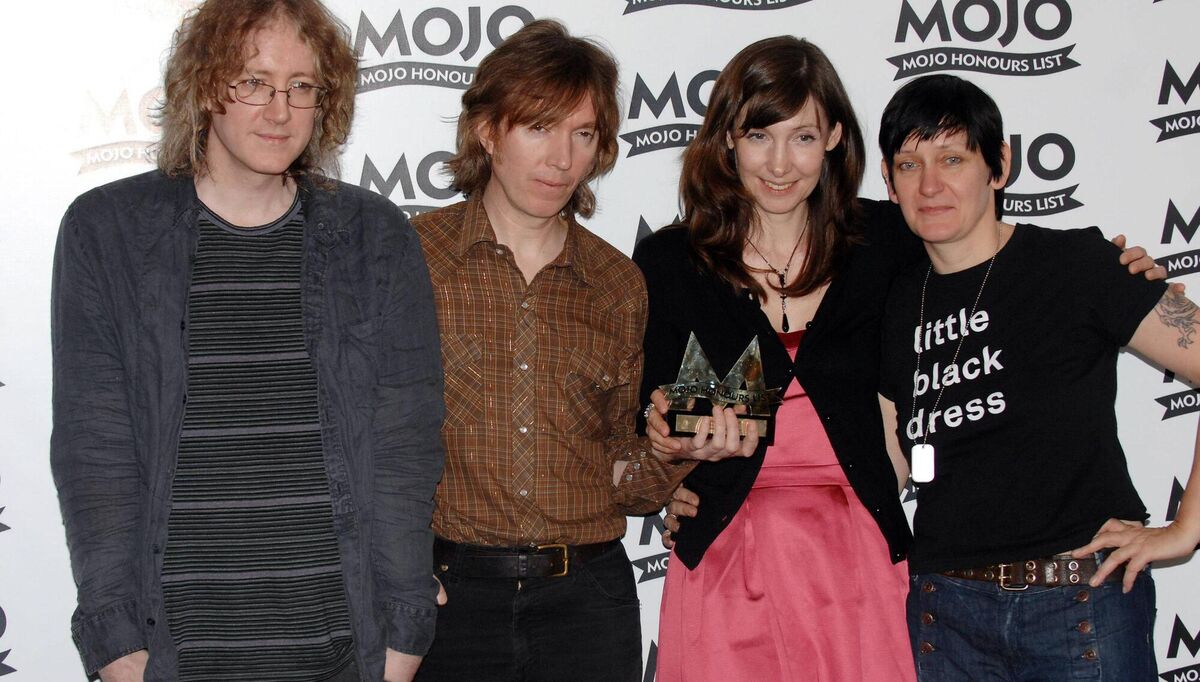
Loveless eventually arrived in November 1991 and is heralded as one of the greatest albums of all time.
McGee listened to the album, liked it, and put it to one side. “It was quite clear that we couldn’t bear the idea of going through that again,” says one Creation official - they decided to drop My Bloody Valentine even though they agreed it was a wonderful album.
A fellow Creation band, Primal Scream, won the inaugural Mercury Music Prize in 1992 for the best UK album of the preceding 12 months for Screamadelica.
Two other albums with McGee/Creation links made the shortlist. There might even have been a fourth had McGee not refused to nominate Loveless as a petty dig at Shields and co.
This is all detailed in My Magpie Eyes are Hungry for the Prize by the late David Cavanagh.
Born in Dublin, Cavanagh wrote for all the usual music magazines back when music magazines meant something and authored 2015’s brilliant biography of John Peel, Goodnight and Good Riddance.
My Magpie Eyes was initially published in 2000, the year after Creation’s demise, but has been out of print for years.
At around 700 pages, it’s not just the story of a record label, but about a no-longer-recognisable London as the centre of music, myriad musical genres, the idea of independence and ‘indie’ music, England in the 1980s and 1990s, drugs, excess, politics, and business.
Not just exhaustive, this is encyclopedic.
That it is being reissued is a sad story: Cavanagh took his own life after stepping in front of a train in late December 2018.
He was 54 and had continued to write about music. Cavanagh, born in Dublin and brought up in Belfast, spent over two years working on My Magpie Eyes, speaking to more than 200 people and writing nearly 400,000 words.
It had started as an internal idea at Creation to which McGee was agreeable and was understood as official history, which opened the way to interviews with all the relevant insiders, writes Cavanagh’s friend John Harris in the introduction.
McGee didn’t like the finished product - what he wanted was “a book about this mad genius from Glasgow who sets up this crazy label, takes loads of drugs, and signs all these brillliant bands”, says a former journalist who had first proposed the book.
An authorised documentary of Creation, Upside Down, was released in 2010, and a McGee memoir followed.
But all the stories you could want are contained in My Magpie Eyes, although the music business and hype machine described herein are almost unrecognisable.
In 2023, the next big thing can come and go in a month. In the mid-1980s, Jesus and Mary Chain gigs lasted about 15 minutes, left ears ringing and crowds riotous, but people still just couldn’t get enough.
Though they could barely play their instruments (when has that ever stopped anyone!?), theirs was a fresh sound and one that McGee had been looking for as he almost stumbled into heading a label.
They begat everything - would there have been a Loveless without Psychocandy?
Meanwhile, McGee channelled Sex Pistols manager Malcolm McLaren in his pronouncements on the Reid brothers’ reputation; about 10 years later, he was spending £5,000 taking out a full-page ad in the NME to review a gig by the reformed Sex Pistols.
He reached such lofty levels of success/excess on the back of Oasis - just like Oasis envelop Creation and overshadow most everything else the label did in its final five years, the last 200 or so pages of My Magpie Eyes chronicle the Gallaghers’ rise to bloatedness.
The stories are well-trodden by now - see the brilliant documentary Supersonic - but there are still plenty of profligate titbits.
When they played to 250,000 people at two Knebworth gigs in 1996, the guestlist numbered more than 7,000; McGee’s label erected a marquee there, emblazoned with the slogan ‘Creation Records - World Class’, that’s more usually seen at race meetings; while the five members of Oasis each had a personal trailer to prepare for the shows.
However, perhaps what’s most interesting about their story is that even when they were on their way to being, ahem, Rock n Roll Stars, there were people in Creation who just saw them as Happy Mondays and Stone Roses redux - hadn’t it all been done five years ago?
But enough about one of the biggest bands of all time.
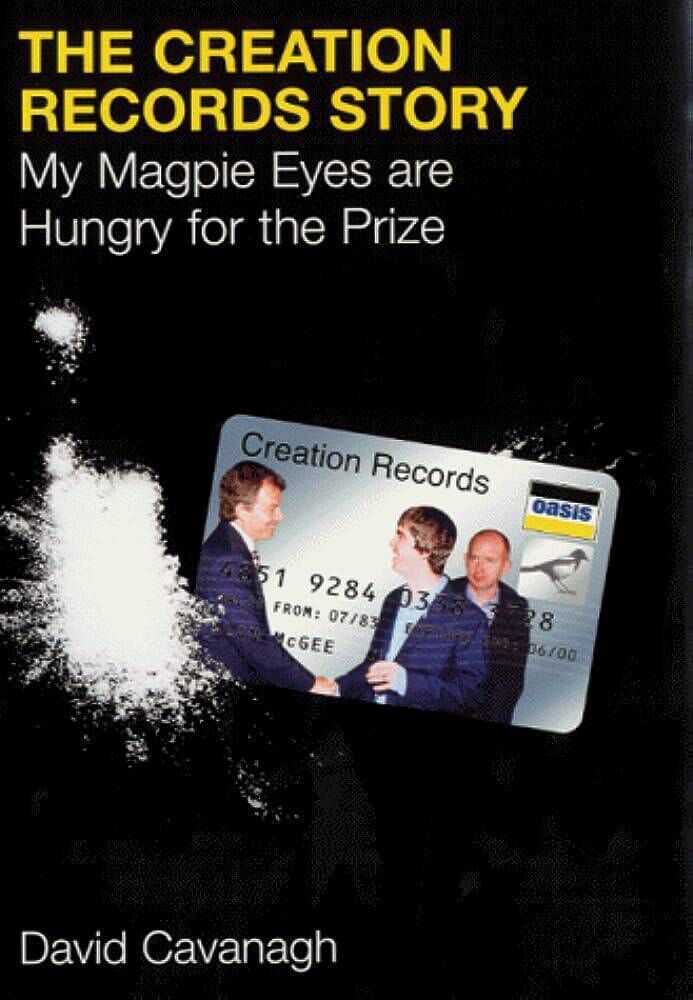
Cavanagh writes just as incisively about the bands left behind.
The House of Love had monetary ambitions their music could never reach and their tale comes to a head at a petrol station on the Wales/England border: One member is punched repeatedly in the face by another, but, high on magic mushrooms, didn’t feel any of the blows land and is soon sacked.
The name of the book comes from a song by The Loft, a band who “very politely - and exceedingly Englishly - fell to pieces” during a support slot, with one of the members planning to ambush and beat up its singer-songwriter, Pete Astor.
Cork’s Five Go Down to the Sea? feature briefly - a long association with Creation was out of the question, says Cavanagh, as McGee recalls: “[Frontman Finbarr] Donnelly would lick my ears, trying to get the wax out. But they were good to have in the club if there was ever any threat of violence to any of us. They were so mad and they were so ‘for us’.” Their single ‘Singing in Braille’ sold 600 copies.
Perhaps your new old favourite after reading My Magpie Eyes will be Felt, led by the vain Lawrence, who dropped his surname ‘Hayward’, explaining: “A TV repair man once asked me if I was related to Justin Hayward. I thought, yeah that’s what’s going to happen. I’m going to be fielding Moody Blues questions for the rest of my career.”
He was not mad about his Christian name either, points out Cavanagh.
With lustrous hair, Lawrence also had an apartment in Birmingham that he kept spotless, so much so that bands were keen to play the city just to stay in the plush environs. Simpler times.
Lawrence was interviewed in the Guardian last year under the headline ‘life as British music’s greatest also-ran’.
Throughout all these bands, McGee persists, always with a chip on his shoulder. His own trajectory changes with - what else in 1980s Britain - drugs and acid house.
Cocaine soon piles up and while he’s the person who ‘discovered’ Oasis, he misses out on their journey as he goes into rehab and returns to live in his parents’ house.
Creation put out some of the best albums of all time, but for so long, it was surviving by the skin of its teeth, propped up near the end by Sony.
One wonders what Cavanagh would have made of McGee’s forthcoming book, How to Run an Indie Label. With My Magpie Eyes, republished to mark Creation’s 40th anniversary, he’s already told us everything we need to know.