Album review: Anohni, My Back Was A Bridge For You To Cross

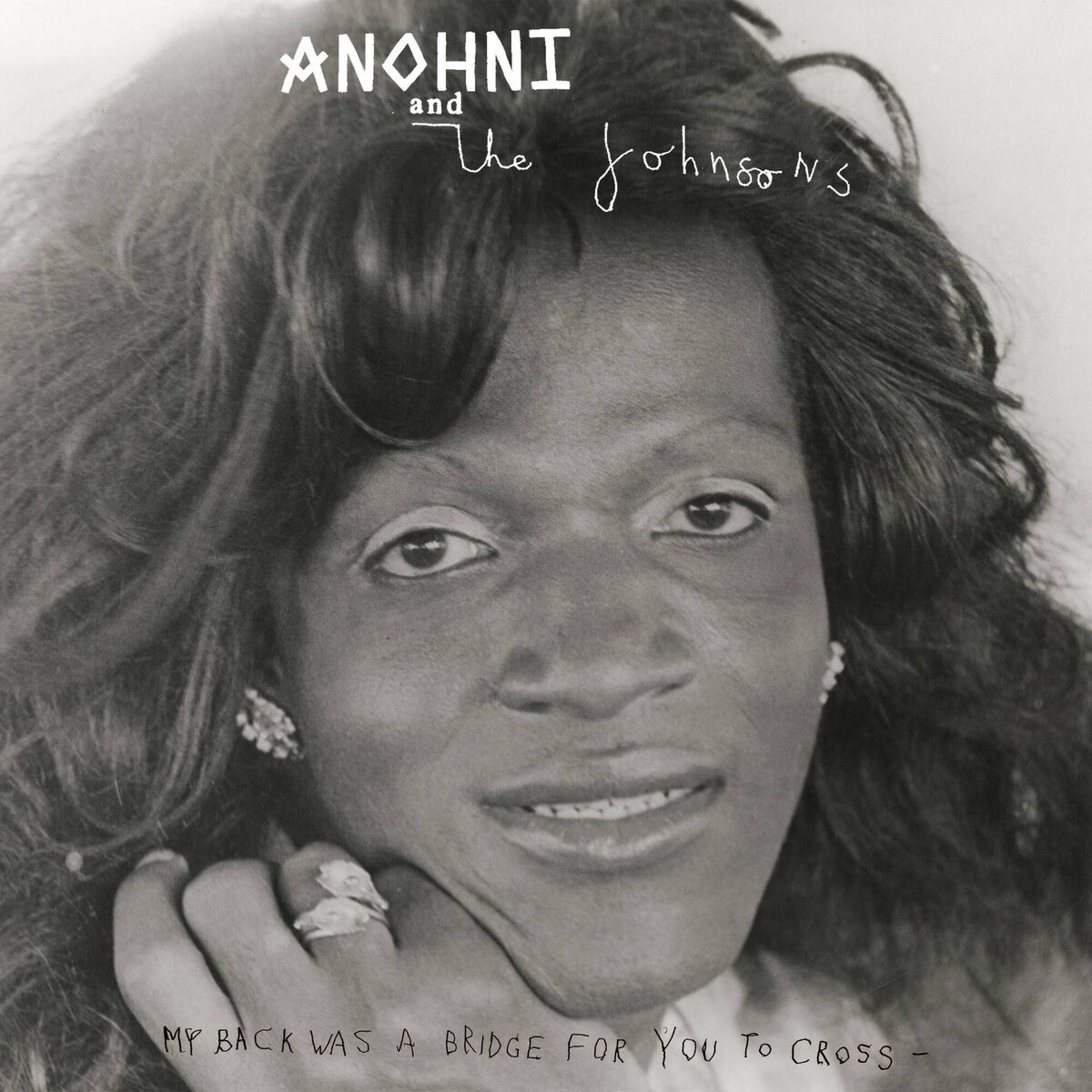
Anohni's new album, My Back Was A Bridge For You To Cross, is a collaboration with renowned songwriter/producer Jimmy Hogarth.(Picture:Michael Svenningsen/AFP via Getty)
- Anohni
- My Back Was A Bridge For You To Cross
- ★★★★☆
When you’ve spent much of your artistic life gazing into the void, perhaps it’s only natural you would want to look to the light. That’s what the artist formerly known as Antony Hegarty (the Irish surname courtesy of a Donegal father) from Antony and the Johnsons does on a spry and accessible fifth album, co-produced with Amy Winehouse collaborator Jimmy Hogarth.
Anohni’s previous LP, 2016’s Hopelessness, was a stark appraisal of the damage wreaked by climate change. It was a cry of despair that reached its stormy apotheosis on the bruising 4 Degrees, an anguished rumination on the existential threat of rising sea levels. Seven years later, her talent for blistering lyrics endures. The single 'It Must Change' evokes tumultuous imagery of “fire and darkness” as Anohni emotes with Wagnerian ferocity.
But where My Back Was A Bridge For You To Cross marks a new beginning is in its musical textures, which are generous, open-hearted and often gorgeously catchy. Anohni and Hogarth have cited Marvin Gaye’s What’s Going On as an influence and aren’t joking. A soulful crackle ripples through 'Sliver Of Ice', while 'Can’t' has a wonderful lounge-pop airiness built around Anohni’s sweet and expressive lilt.
The record is a surprise from an artist with a well-earned reputation for fairly grim songwriting. Maybe it’s down to Anohni’s choice of collaborator. Hogarth has worked with balladeers such as Dermot Kennedy and Paolo Nutini, and you can tell. On 'Scapegoat', a line such as “you’re so killable” is delivered with a playfulness that makes it sound like Ed Sheeran delivering a throwaway couplet.
That coming together of darkness and light – of the visceral and accessible – proves a singular mix. Anohni has made an album with which an Adele fan could spend time. It would be unfair to describe it as a comeback – Anohni’s music has always been urgent and vital. But as a feat of reinvention, it is profoundly moving and illuminated with new and welcome lightness of purpose.