Book Interview: Paul Murray - ‘I avoid feedback on my books. It’s not good for me’
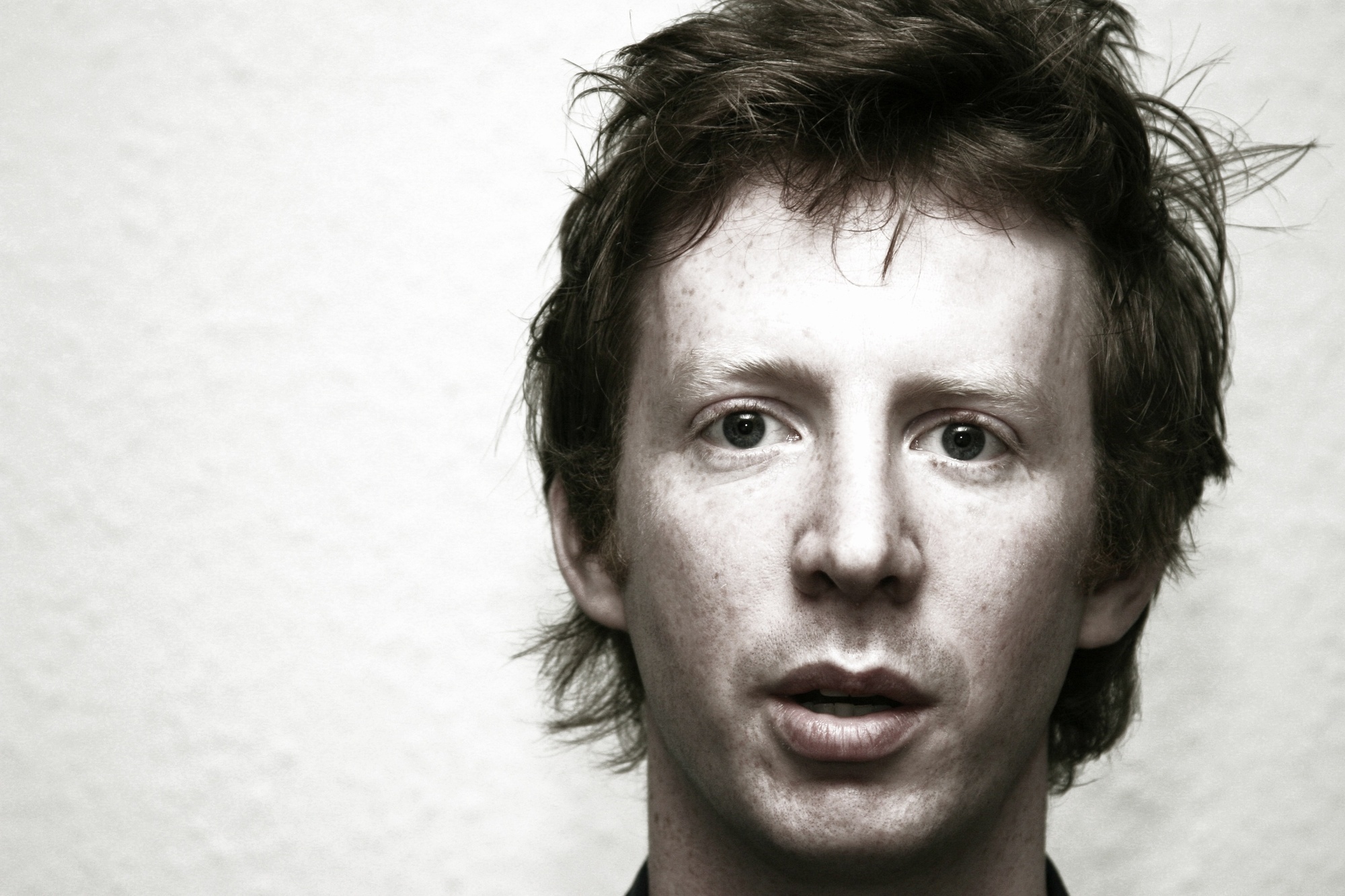
Paul Murray author of The Bee Sting
- The Bee Sting
- Paul Murray
- Hamish Hamilton, €15.99

The process of writing his fourth book was far from tortuous for Paul Murray. So much so that he just kept on writing to the point where it eventually clocked in at a good bit over 600 pages. Murray acknowledges that with our shrinking attention spans, investing in such a doorstopper is a big leap of faith on the part of readers.
“Every time I sit down to write a book, I think to myself, ‘I’m gonna make this short’. And every time, it just gets bigger and bigger. I was really happy writing this book. There’s a lot of sadness in it, but it was very rewarding to write. The only time I felt depressed by it was when I got to the end, and I hit the word count, because I deliberately didn’t know how long it was. I was like, ‘Oh my God, this is just so long’. And it’s harder to sell long books. I guess all you can do is give the reader something that will keep them turning the pages.”
He has no need to worry — The Bee Sting holds the reader in its grip from the start as we follow the trials and tribulations of a family living in a small Midlands town a number of years after the economic crash of 2008. The Barnes — dad Dickie, mum Imelda, children Cass and PJ — are a family whose troubles and secrets just get bigger as each of their lives teeters on the edge of disaster. It is a rollercoaster of a read, suffused with tension and dread, but also humour. Murray tells the story from the various viewpoints, showing the masterful command of characterisation and plot that he displayed to such acclaim in his 2010 novel Skippy Dies, set in an Irish boarding school.
“The characters are all trying to find a way out of the situation that they’re in. The family dynamic is just not working and they don’t see any other option other than to escape. Each escape route that they want to take is fraught with peril and is actually worse than the situation that they’re in. That is what I was trying to get at. On a purely narrative level, I wanted to make it exciting to read.”
Murray expertly captures the milieu of a small town, from the big notions of glamorous Imelda, a member of the Tidy Towns committee, to the teenage Cass, who writes poetry and longs to escape to college, a future now in dire jeopardy. As a Dubliner who attended Blackrock College and Trinity, Murray acknowledges that it’s far from where he was raised.
“I’m from the Dublin suburbs, it’s not my world, but I wanted to have a sense that the town was like this character in the story, a place where there is always someone watching and judging. There’s good things and bad things. It’s a community where people take care of each other to a degree, but it’s also a community that doesn’t like people doing certain things. Can you be yourself in the same way you can be in a city? I don’t think you can.”
Some inspiration came from Murray’s mother, who grew up in a village in Monaghan near where the author Patrick McCabe is from. Like McCabe, Murray sensed the often sinister undercurrents of small-town life.
“We used to go up there on our childhood holidays, and that sense of darkness that can lie under that small picturesque place was really important to me. I’ve also got a lot of friends from small towns and they’ve just told me a lot of stories. I had a friend who went back to her home in Laois and she was working out in one of those outdoor gyms that was adjacent to the playground. The cars that were passing would slow down just to see ‘who’s that now?’ It’s friendly and well-meant but it is also territorial.”
While initially the reader’s sympathies may lie with Cass and PJ, whose parents are neglectful of their emotional needs to say the least, later we discover the underlying generational trauma that has brought them to that point. That relationship with our parents and how we know so little about their real selves was something that was brought home to Murray when he became a father himself.
“When my son was born, it gave me a new perspective on my own parents, and maybe it’s just getting older as well, you start to realise that everybody is sort of improvising their way through this, nobody’s got the answers. You’re just trying to do your best. You can’t say to your child, ‘I don’t really know what to do’. You have to create this persona where you’re the authority. It’s not real, but at the same time, you have to inhabit it.”

As someone who is approaching a significant milestone birthday, Murray was also conscious of the gap between our expectations of life and the reality.
“I’m going to be 50 in a couple of years, which is just insane. How could such a thing happen? I guess you sort of entertain illusions or delusions up to a certain point that you can still turn your life around and do something else. But 50 is a point where there is this whole kind of narrowing in an alarming way. A lot of being a grown-up is accepting your lot and being thankful for what you have.”
This is something he particularly appreciates given the fact that he has been able to carve out a career in writing, something that is definitely not a given for all aspiring authors.
“I feel like I’m lucky to be able to write full-time. It’s not a thing that everybody gets to do. I spent four months in Boston College last autumn, which was great. But meeting the writers who are teaching there, there’s no way you can afford to write a book and not have a job unless you’re independently wealthy. We’re lucky with the Arts Council, who really helped a lot with this book.”
When in Boston, Murray worked on a piece for New York magazine about the Metaverse, which generated a great deal of discussion when it was published last March. Just by reporting his experience, he delivered a stinging takedown of Mark Zuckerberg’s passion project, capturing the sadness and bleakness of the alternate universe. In a similar vein, Murray is trenchant when it comes to the advent of artificial intelligence and its impact on humanity, and art.
“I find it really depressing and scary. Maybe I shouldn’t go as far as to say the people who run those businesses don’t understand what it is to be human, but I think they’re very close to that. The assault on art is only a sliver of it, but I think it’s representative, because to them it is all just like a product, it doesn’t matter if someone has spent 10 years working on it or if it’s a machine that’s done it in 30 seconds. It is just something that people consume and the origins of it don’t matter. When in fact, art is important to us. You create art to make sense of life, this baffling experience. Nothing can do that for me. I can’t just get a printout saying ‘here’s what you need to understand your life’.”
Murray has more, much more, to say on the subject, but he is worried about appearing to rant. However, his passionate defence of human creativity reflects a commitment to his own art that is necessary when writing a 600-page novel. Early reviews of The Bee Sting have been glowing, but it’s not something Murray wants to engage with. What matters to him is that people enjoy reading it as much as enjoyed writing it.
“I really try and avoid feedback if I can; it’s not always good for your mental health. The book is finished, there’s nothing I can do regardless. It’s great if people connect with it, it’s really heartening that in a world where it’s just harder to find the time and the mental bandwidth to engage with something, people still do that and enjoy it.”

Continue reading for €5
Unlock unlimited access and exclusive benefits
Already a subscriber? Sign in
Cancel anytime