Hazel Gaynor: (Re)writing history - the timeless appeal of historical fiction
"For many, the word ‘history’ stirs memories of boring lessons at school — dates, battles, kings and queens, very long essays — while the term ‘historical fiction’ leads to assumptions about costume drama romances and books about Vikings..."
Hazel Gaynor: (Re)writing history - the timeless appeal of historical fiction

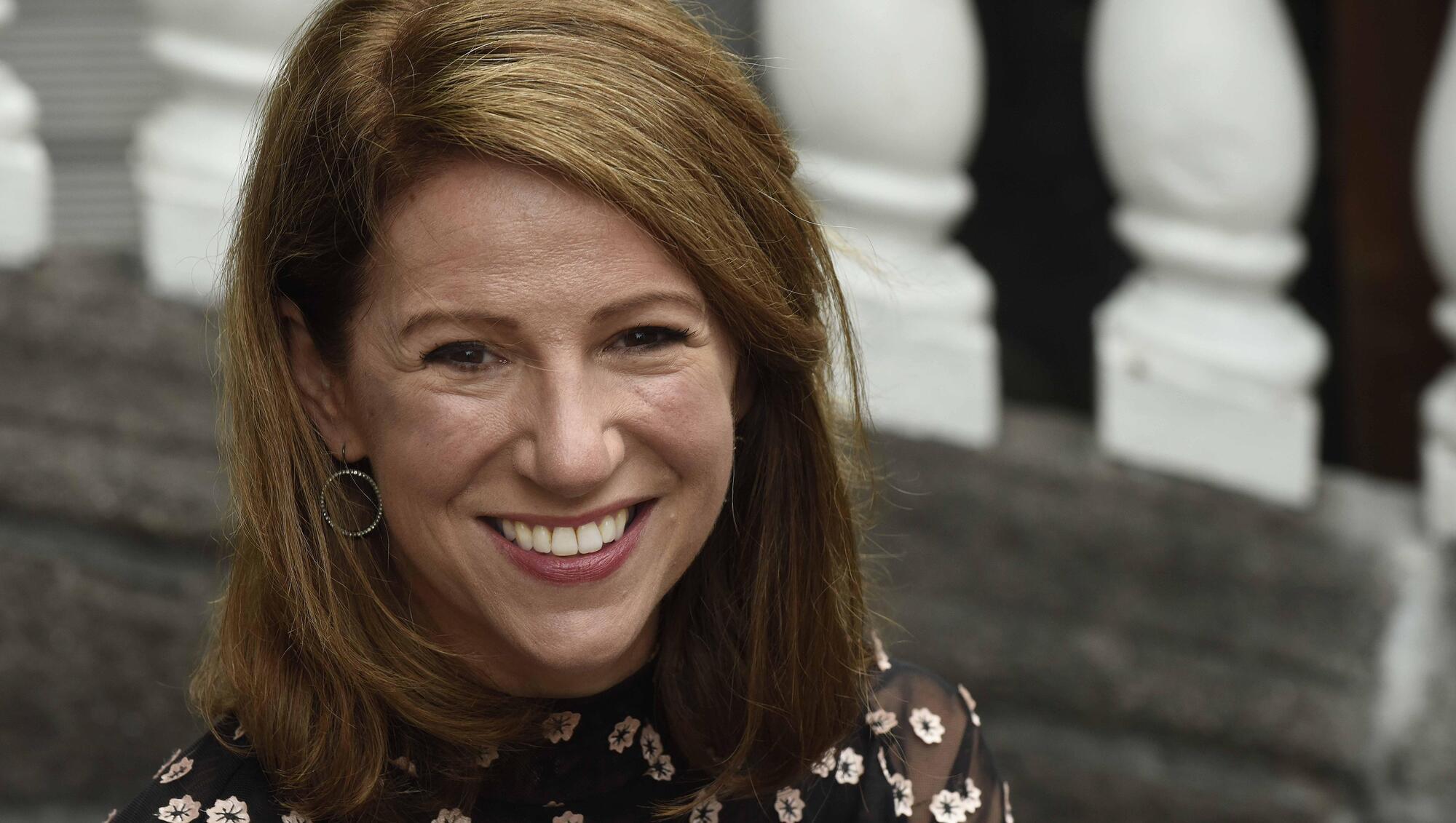
Hazel Gaynor: The imagined narrative in a historical novel comes from months, sometimes years, of detailed research. Picture: Moya Nolan

It is a truth universally acknowledged that an author at a party will be asked two things: where do you get your ideas, and, what do you write? 

The first question is tricky to answer quickly, especially while eating a mini-burger. The second question leads to, let’s call them ‘assumptions’, particularly if you write historical fiction.
Although often excluded from end of year broadsheet ‘best of’ lists (because, genre), and without a category in the Irish Book Awards (looks to camera), historical novels continue to be popular with readers. 

But what exactly is a historical novel, and should that be an historical novel? (No, it shouldn’t).

For many, the word ‘history’ stirs memories of boring lessons at school — dates, battles, kings and queens, very long essays — while the term ‘historical fiction’ leads to assumptions about costume drama romances (think Bridgerton) and books about Vikings (think Vikings), and while it might be those things, it will often be none of those things.

Wikipedia will tell you historical fiction is ‘a literary genre in which the plot takes place in a setting related to past events, but is fictional’. 

Huh? How can you fictionalise history? We already know the plot, the protagonists, the facts, don’t we? Spoiler alert: not necessarily. 

There are always gaps in the historical record, other points of view that were conveniently ignored, erased, or not considered important or relevant enough, aka ‘women’.

These gaps and exclusions are fertile ground for historical novelists because historical fiction is not history, nor is it a history lesson. 

Like all fiction, it aims to entertain, to provoke reaction and discussion, to consider the world through someone else’s experience. 

History gives us the recorded facts. Historical fiction gives us colour, texture, thoughts and emotions. Context.

In her first Reith Lecture for the BBC in 2017, the late Hilary Mantel talked about the relationship between fact, fiction and history. 

“Facts are not truth, though they are part of it. And history is not the past. It is the method we have evolved of organising our ignorance of the past. It’s what’s left in the sieve when the centuries have run through it — a few stones, scraps of writing, scraps of cloth. It is no more ‘the past’ than a birth certificate is a birth, or a script is a performance, or a map is a journey.”

Historical novelists might use actual events and people as inspiration, as done brilliantly by Maggie O’Farrell in Hamnet, Mantel in her Wolf Hall trilogy and Tracy Chevalier in Girl With A Pearl Earring

Others might use a historical setting but create fictional characters and plot, such as Bonnie Garmus’s 1950s-set  Lessons in Chemistry, or Kate Atkinson’s revolving historical door in Life After Life.

However, wherever, or whenever, historical fiction takes the reader, it is a literary portal to the past which, as the quote says, ‘… is a foreign country; they do things differently there’. 

While this is true, people tend to experience the same universal emotions, regardless of date. 

Whether you’re being tried as a witch in the 16th century, a soldier about to go over the top at the Somme, or a mother in 2023 teaching her son to drive (‘It’s me. Hi. I’m the mother, it’s me’) emotions are timeless. 

This evergreen palette of what it is to be human is what connects the past to the present, and within this framework of feelings historical fiction adds delicious texture — life! — to the static history of our schoolbooks.

The imagined narrative in a historical novel comes from months, sometimes years, of detailed research. 

Yet historical fiction done well allows the history to settle quietly and seamlessly onto the page rather than shouting about it. 

Much of what is researched is left out of the finished book (please ask me about that at the aforementioned party), but that research allows the author to understand the place and time of their story and create an authentic world for the reader.

History is who we are, where we come from, the story of our grandparents and great-grandparents. The pull of family history inspired Sheila O’Flanagan’s first historical novel, and recent number-one bestseller, The Woman on the Bridge

Having always written contemporary fiction, she approached this new genre with a clear sense of what she wanted to achieve.

“I wanted to leave readers with the feeling that they knew the characters as well as any in my contemporary fiction, and that the settings and situations they found themselves in were relevant and believable. Historical fiction is a great way of learning about and understanding past events from the perspective of the characters who are living them rather than the more academic view of historians; historical fiction brings the period alive.”

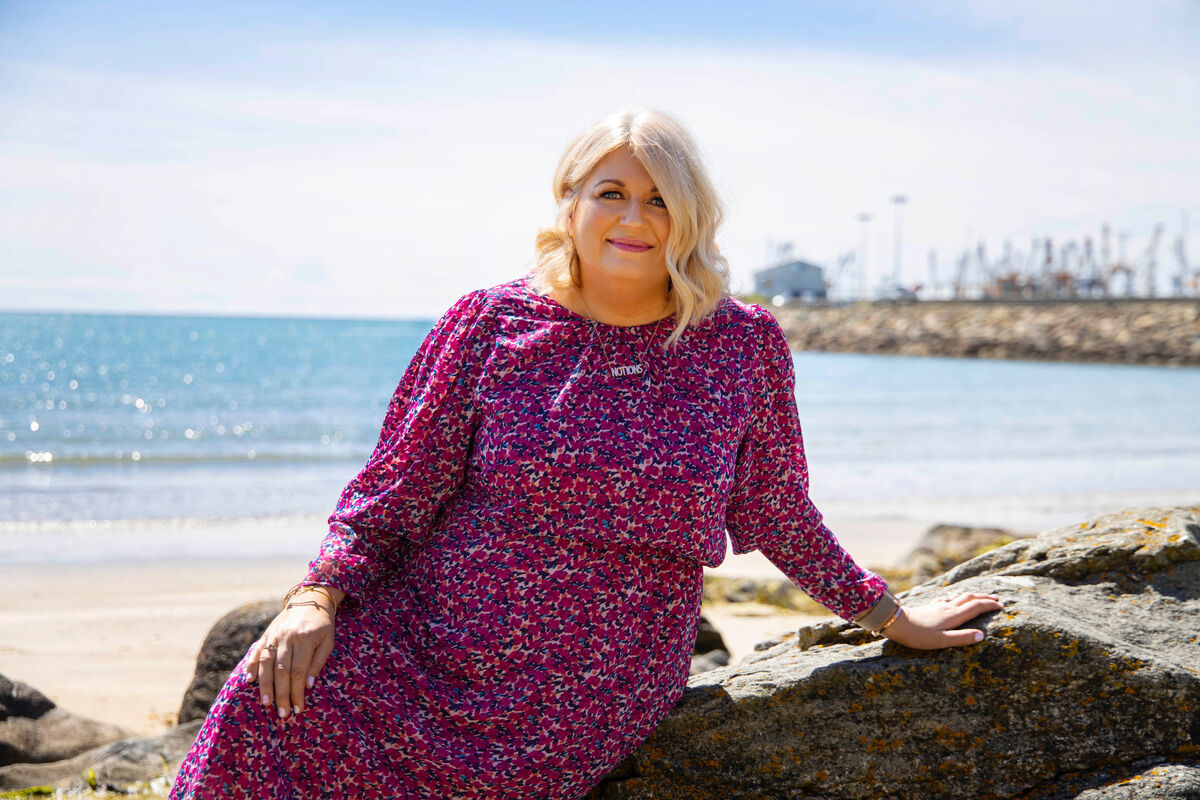
Carmel Harrington: My objective was to write an unforgettable love story of the past and present. Picture: Patrick Browne

Carmel Harrington has been a fan of historical novels for years and also recently turned her pen to the past with her Irish Times bestseller, The Girl From Donegal, taking the reader from Ireland in 1939 to present day Bermuda.

“I see historical novels as portable time machines, allowing me to visit the past curled up in my armchair. Every one I’ve read has been rich in historical detail with evocative prose and a cracking story that captivated me until the last page, but I never planned to write one myself until a story took root in my imagination that I simply could not ignore.”

Discovering a forgotten or overlooked event from the past is, as it happens, my answer to ‘where do you get your ideas?’ The Last Lifeboat was inspired by British children sent overseas during the Second World War, and a remarkable true story about a lifeboat of survivors adrift in the Atlantic after their evacuee ship was torpedoed.

My debut, The Girl Who Came Home, was inspired by Titanic and the Addergoole 14 from Mayo who sailed on her. My other novels have been inspired by the ‘My Fair Lady’ flowersellers of Victorian London, a famous lighthouse keeper, fake fairies, and the world wars. 

History is a rich source of dramatic events, but it is the voices of ordinary relatable people who lived through those extraordinary times that I want to hear in the books I write and read.

For Harrington, an account of a young Irish woman bound for a new life in Bermuda with her fiancée, a British admiral at the start of the Second World War, sparked the idea for her dual timeline story.

“I couldn’t stop thinking about that woman and how brave she must have been to leave Ireland for a new life on an unknown tropical island. Eliza Lavery’s character and storyline came to me fully formed. My objective was to write an unforgettable love story of the past and present.”

But does a historical setting appeal in our frenetic modern world? Absolutely. Novels such as Jennifer Saint’s Ariadne and Elektra, which reimagine women from ancient myths, are finding legions of contemporary fans. 

With the help of BookTok, Madeleine Miller’s The Song of Achilles (an adaptation of Homer’s Iliad) found new levels of success 10 years after it was first published.

The Netflix adaptation of Julia Quinn’s Bridgerton novels have made regency romance hot again, in every sense of the word.

History is timeless, and will, therefore, always have a place in the present. As a reader and a writer, I want stories that take me not just to a different place, but to another time, travelling through my bookshelves like a literary  Doctor Who.

If you’re new to historical fiction, welcome! Turn the pages and step into that foreign country of the past. You might be surprised to discover that it is not so different there after all.

  • The Last Lifeboat by Hazel Gaynor is published by HarperCollins

More in this section

Scene & Heard

Newsletter

Music, film art, culture, books and more from Munster and beyond.......curated weekly by the Irish Examiner Arts Editor.

Cookie Policy Privacy Policy Brand Safety FAQ Help Contact Us Terms and Conditions

© Examiner Echo Group Limited