Camilla Griehsel: Back in a creative space after so much grief
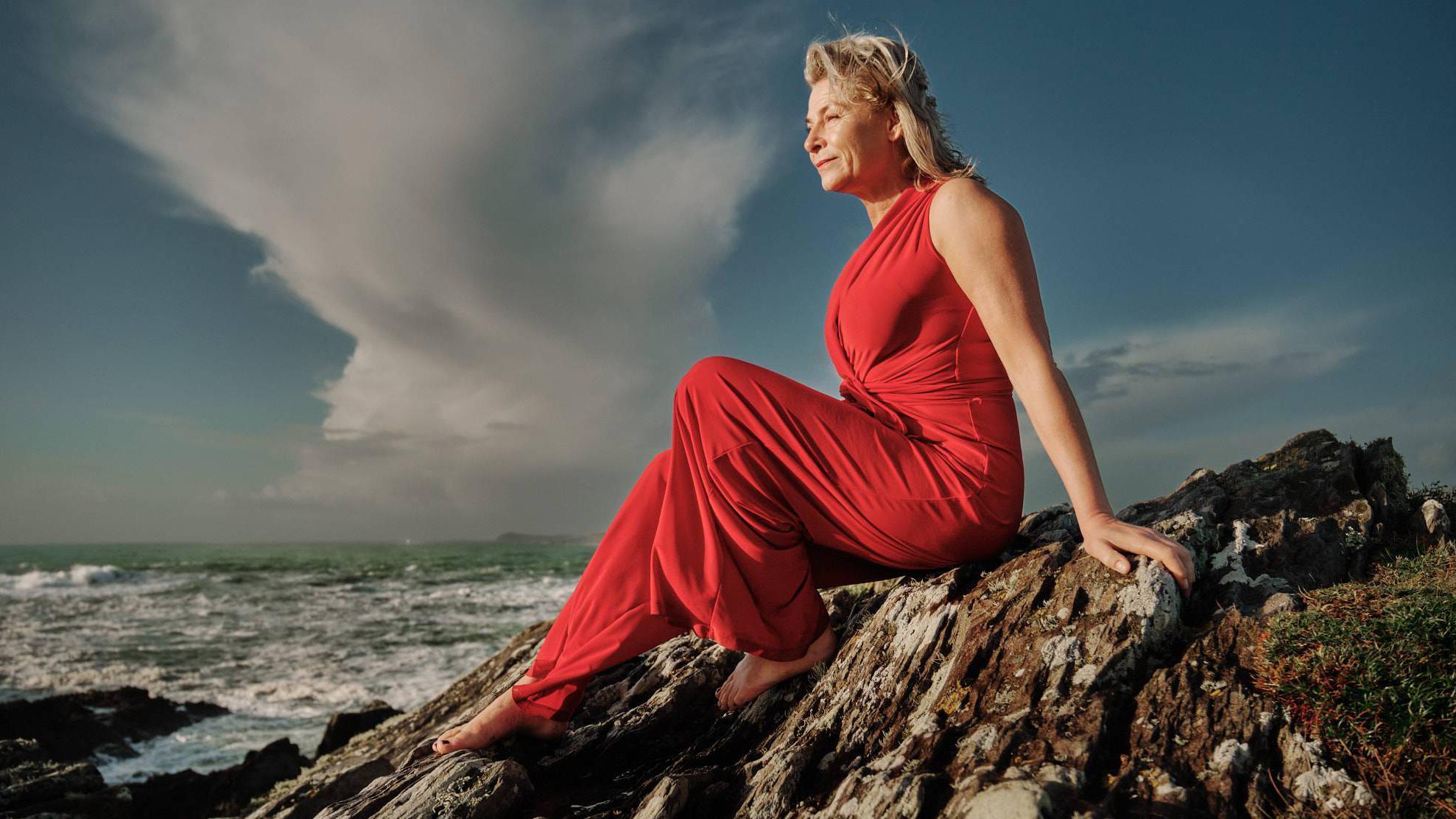
Camilla Griehsel recently released Mamasongue: Source.
Camilla Griehsel is casual about being a polyglot, in that way, enviable to many Irish people, so common in other parts of the EU. Born to a Czech/German father and a Swedish mother, she is fluent in Swedish, German and English.
“But then I trained to become an opera singer and you have to get used to other languages, so I understand a lot of Italian, and I took French in school, but I’m not perfect at those,” Griehsel says. “And I love Spanish.”
Griehsel’s ambitious new 25-track double album, Mamasongue: Source, features six languages: English, Spanish and Swedish, as well as Lingala, the mother tongue of Congolese guitarist Niwel Tsumbu who performs on the album; Zulu, one of several languages spoken by her South African bassist Concorde Nkabinde; and even one track in the ancient Aquitanian tongue, which comes from the south of France.
It’s five years since the West Cork-based singer first performed the stage show that has given rise to her album.
Two years earlier, 2016 shook her to the core with three deaths in merciless succession: those of her husband, the singer songwriter Colin Vearncombe (AKA Black), her good friend Fergus O’Farrell of Interference fame, and her mother.
Mamasongue’s first incarnation as a stage show, filled with lullabies and heartbeats and messages of hope and resilience, was part of the singer’s healing process. But this process, like her musical journey, has moved on.
Griehsel feels it’s time for her music to move out from under the shadow of grief and find a place in the sun of its own.
Having been married to a musician who had had a massive worldwide hit song, 'Wonderful Life', and who died in tragic, headline-making circumstances, has meant Griehsel is almost always met with questions about Vearncombe, even when what she wants to talk about is her own work.
“I had prepared myself for that this time around,” she says. “Last time around, there were interviews that I did that were going to be about the show but half of it ended up being about Colin. Of course, he is a part of our lives all the time. I only have to look at any of my three sons and he’s right there. He’s with us all the time, but the grief has changed.
“It’s seven years now, and there’s something about seven year periods: I feel that I have moved to the next phase. You’re not grieving in that sense that you are full of grief. There is space again, space for me to sing my own songs.”
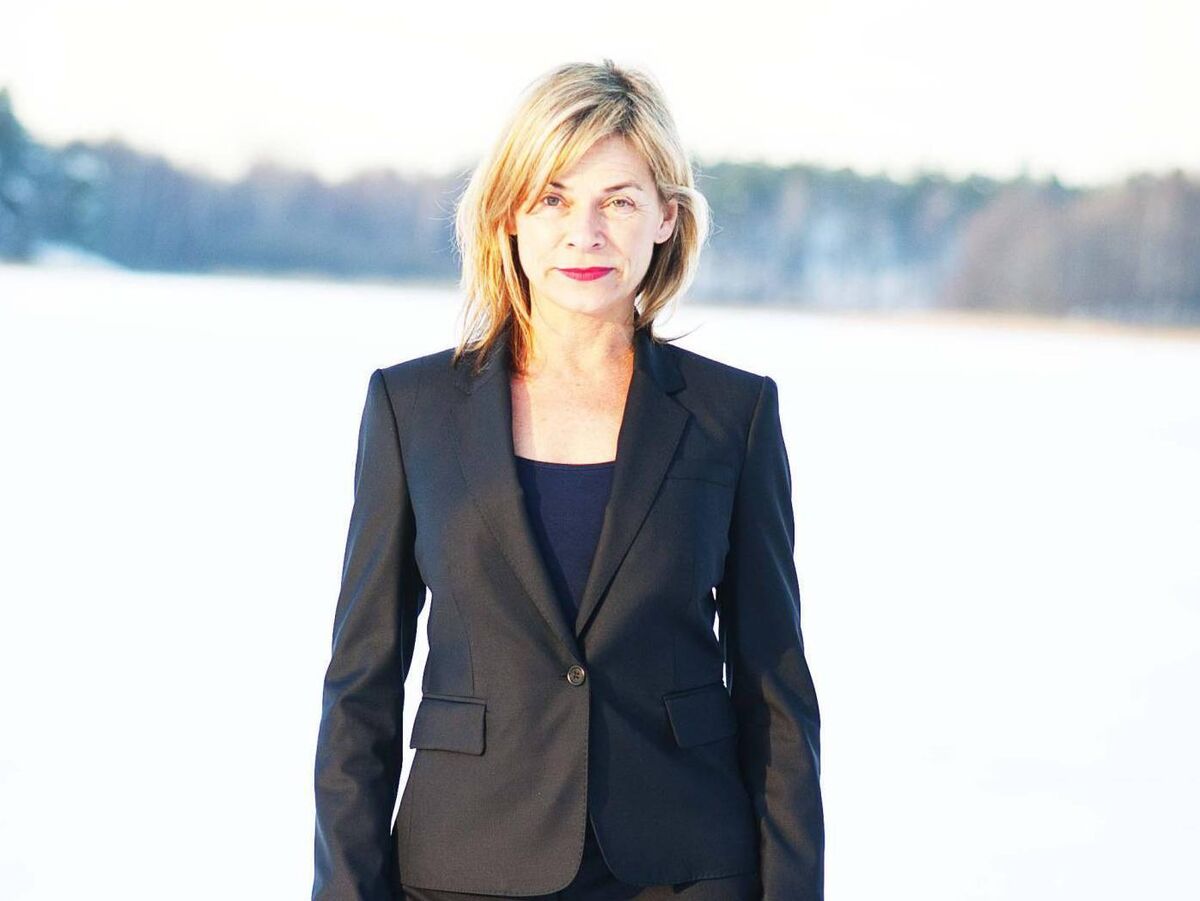
Griehsel’s album, like the stage show which preceded it, celebrates the universality of music and the common threads in the human story, regardless of the language used to tell the tale.
“My show starts with the idea that the first music I ever heard was my mother’s heartbeat,” she says. “We all come from a place where there was no time and no language, where there was warmth and safety and a physical and psychic connection with our mothers.”
But her particular love affair with Spanish is rooted in her experiences in South America: in 2003, with her ten-month-old son, she arrived in Peru to record an album, Rum and Chocolaté, with guitarist Andrés Prado and legendary Peruvian percussionist Julio 'Chocolaté' Algendones, who died a year later in 2004.
“When I arrived, it was my first and only time in that part of the world and it was like I came home. I was overwhelmed by the knowing of the place. It was really a full-on spiritual experience.”
Griehsel has also been inspired by the venerable Grand Dames of South American music, women whose singing careers continue their entire lives and for whom respect deepens over the decades, a far cry from the youth-worship of western pop where Griehsel got her start in 1980s' Swedish act One 2 Many.
“These were women in their sixties and seventies and they were admired and respected and I thought, this is the direction for me,” she says. “I met people after Covid who I hadn’t seen for a while and some people said, ‘how are you? Are you still singing?’ Like, oh, you’re in your fifties, are you still singing? I mean, yeah! I’m just getting into my power now.
“This is where my career starts properly. I have finally graduated into my own style and my own self. It’s made me so want to share all of that in my voice.”
- Mamasongue: Source is out now