Film focuses on couple who resisted power of Catholic Church
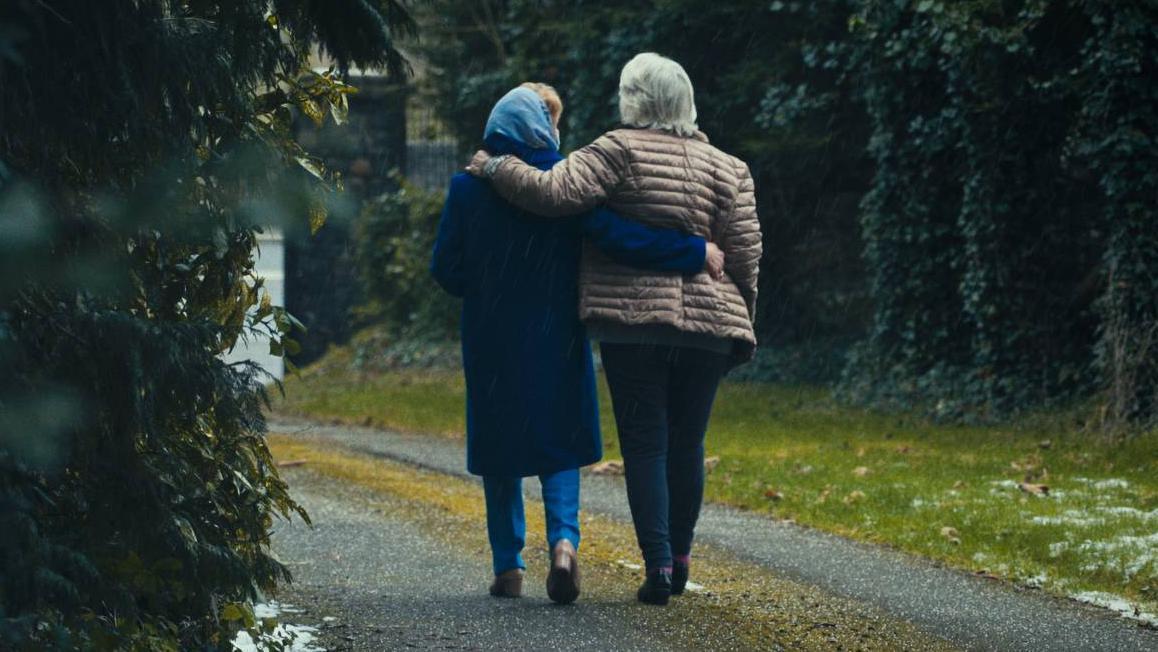
A scene from Pray for our Sinners.
Filmmaker and journalist Sinéad O’Shea’s latest documentary tells some very personal stories of people whose lives were impacted by the power of the Catholic Church. But Pray For Our Sinners takes a different route - focusing instead on those who managed to push back against the Church’s dominance in decades past.
O’Shea returns to her hometown of Navan to document the extraordinary story of a couple who found ways to resist - even helping some women to avoid forced adoption and mother and baby homes.
Dr Mary Randles and her late husband Dr Paddy Randles found ways to push back against some shocking acts of cruelty, shielding pregnant women and complaining to their local school following the violent beating of one boy for writing with his left hand. Decades later, Norman, who tells his story to camera, movingly recalls the damage the experience caused.
“We were all so scared of each other,” says O’Shea of this time in Ireland’s history. “It was this contagious fear. The state was too poor to finance a lot of things, so they were outsourcing everything to the Church, and then the Church got to insist on their way of doing things.
“When you look back you just go, wow, why did we accept all of that? It was really that idea of a goldfish that doesn't know it's swimming in water. It was a system that was so total, it was completely impenetrable.”
Following the success of her documentary A Mother Brings Her Son to be Shot - set in a dissident community in Northern Ireland - the filmmaker was seeking her next project.
It was an old schoolfriend who first suggested that she look at the story of the Randles and the work they did to push against corporal punishment. In the film Norman, who had been beaten by a teacher for writing with his left hand, recalls him foaming at the mouth in rage as he hit him, calling his left hand the hand of the devil.
Dr Randles went to the head teacher to complain - and on hearing the head describing the leather whip that he himself used, began a campaign against capital punishment. Norman had the courage to speak out against the abuse, in a documentary for US TV, while UK media also picked up on the story.
“I didn't know anything about this,” says O’Shea of that time. “I hadn't known the Randles. I looked into it, and I thought, ‘That is a great story’. It's actually quite dangerous on so many levels, aside from the actual hitting. To force children to switch from left hand to right hand it's so bad for them developmentally.
“I started talking to his widow Mary Randles who was very, very keen for me to make the film all about Paddy. Then in January 2021, the mother and baby home report came out. Mary was so incensed by it, she started giving out about all the things that had happened to women. She thought of all the young women that she had hidden in the house, to try to help them escape from mother and baby homes.
“Mary is hilarious, but she's a funny interview subject. She's very uninterested in any kind of self promotion. She couldn't be more antithetical to our heroes of today.”
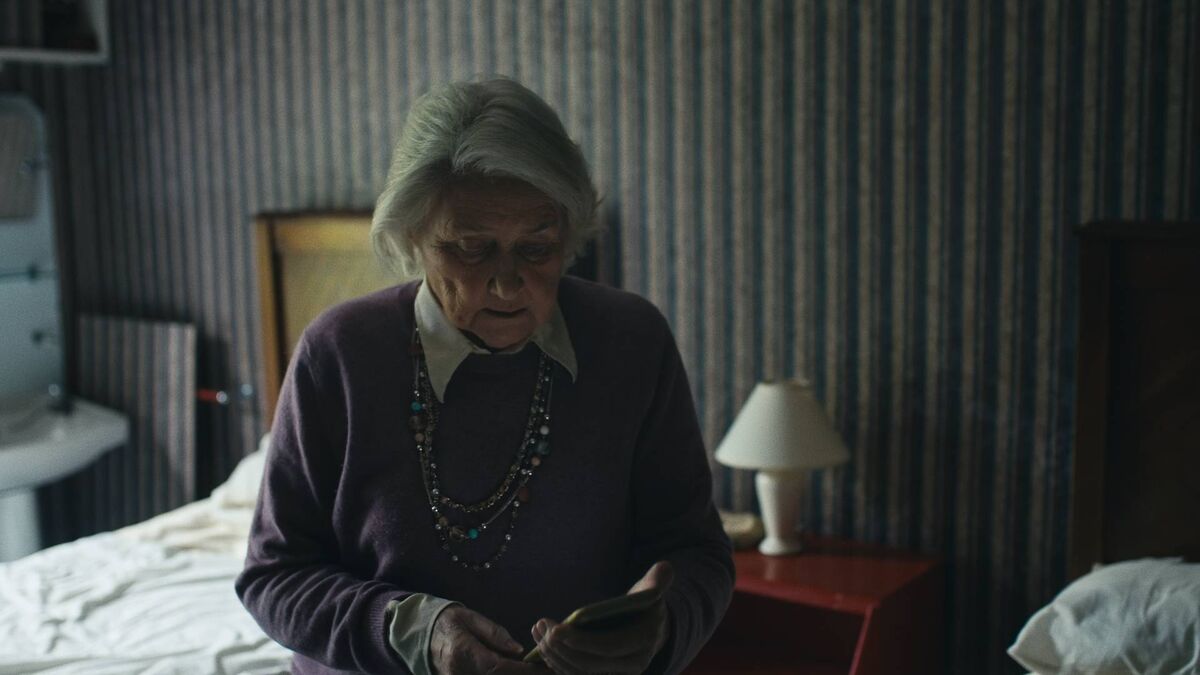
Shame, and the Church’s exploitation of people made to feel shame, is a strong theme of the film, as the women featured told how being sent to mother and baby homes impacted on them.
“The thing about a documentary is that you can see those things in real life unfolding,” observes O’Shea. “You can see, for someone like Betty, when she talks about her experience of the mother and baby home, the trauma, and you can see how the nuns managed to instil such shame in her. By what they did, their crimes, they've managed to make Betty feel ashamed of their crimes.”
It must have been difficult for people to open up about their experiences decades later and O’Shea credits them for their courage and testimony. “It was a mixture of things. I was very lucky because Mary has won such loyalty from the people she worked with in Navan, and they're so fond of her.
“All three of them, Betty, Ethna and Norman, when I approached them, and Mary helped me approach them, they immediately said yes, they'd like to help out, and they'd like to participate. So that was an incredible gift, which doesn't always happen in documentaries.”
- Pray For Our Sinners is now in cinemas