How an iPad helped a 95% blind Cork artist to create again
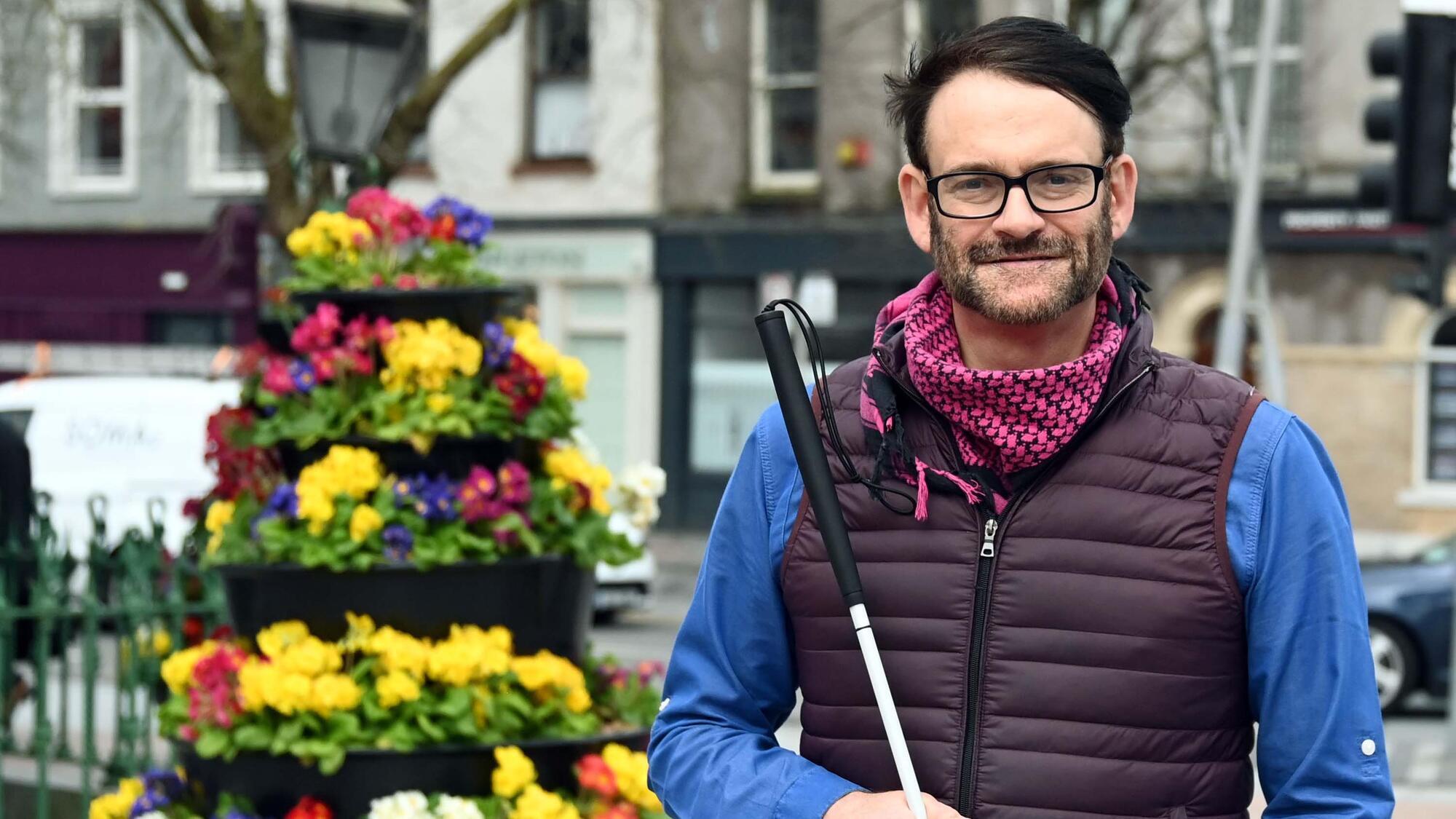
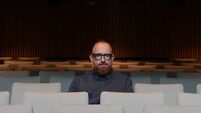
The art of Robert Fourie will feature in an exhibition at the Quay Co-op in Cork. Picture: Denis Minihane.
A piece of unexpected good fortune ensured one Cork artist accidentally stumbled upon something that meant he could reignite his passion for art. After being forced to give up painting, Robert Fourie is creating pieces again - though in a slightly different way.
Originally from South Africa, Robert Fourie moved to Cork city in 1999 and has been here ever since. While he first came to Ireland to work for the HSE, before moving to teaching in the scientific discipline, art has always been a big part of his life. “It's sort of part of my central personality. But it wasn't my work,” the 54-year-old explains.
Fourie has a rare condition called retinitis pigmentosa which affects his sight. Currently, he is about 95% blind. His loss of sight forced him into an early retirement in 2015, which he describes as a “very difficult time”.
“As my eyesight deteriorated, I couldn't read paragraphs anymore, then I couldn't read sentences… then eventually, my central vision gave up completely,” he says.
Fourie’s condition also meant that it became difficult for him to create art on a regular canvas, and as a result, he had to abandon his “artistic persona” early on. This was another devasting result for the South African native who passionately describes art as a way “your suffering and experience can be transformed into something meaningful, sometimes beautiful”.
“I felt the loss of that creativity because for me, creativity is a way of transforming your own suffering as a human being. Many of us who grew up in South Africa in the '70s experienced trauma. Apartheid was a vicious system run by white men in suits, who were privileged and entitled and had violent ideologies and violent laws, and that sort of thinking spread everywhere in South Africa. As a child growing up, there was a lot of violence,” he says.
“You can transform your suffering through art, you can transform your experience - whether that's positive or negative – it can be transformed through creative expression.”

But in 2018 during a trip to visit family in Australia, everything changed when Fourie stumbled upon new technology and discovered how it could help him to rekindle his love for creating art.
“I visited family in Australia and my cousin's daughter introduced me to using an iPad to do art… you draw straight onto the screen, and then you can zoom in, and you can magnify it and because it had such a capacity to magnify, I was able to do some art. I was absolutely flummoxed by it.”
Due to the ability to magnify, as well as the fact that the screen was backlit, Robert was able to use the device to create art. When he returned home, he bought himself an iPad and a pen and within a couple of weeks, he produced his first piece.
“I became obsessed with doing art, because I had such an experience of loss of capacity, that when I came to something that was facilitating me, to do the art that I've always done since I was a small child, I felt like I had a new lease on life,” he says.
Fourie’s art is bold and colourful and he has created many more pieces since. He says he falls “in love” with every single piece of art, and it is only after it is completed that he begins to unpack the meaning behind it.
When asked how he felt when he discovered he could get back to his art, Robert says: “Absolute excitement. Also, it came with a realisation that disability itself is not necessarily located within me, but within a disabling environment.”
Fourie explains that when you provide people with disabilities or impairments with the correct resources and support, they can “participate in life”.
“That's the thing. To me the tragedy of disability is the fact that people have potential and are unable to fulfill their potential because the environment is disabling.
“In my case, it is by pure serendipity and good luck that I've found a way to do art again.”
- Robert Fourie’s series of digital paintings, titled Mindsight, will be exhibited at the Quay Co-op on Sullivan’s Quay in Cork city from May 10