Book Review: 'Close to Home' captures a yearning for a different life
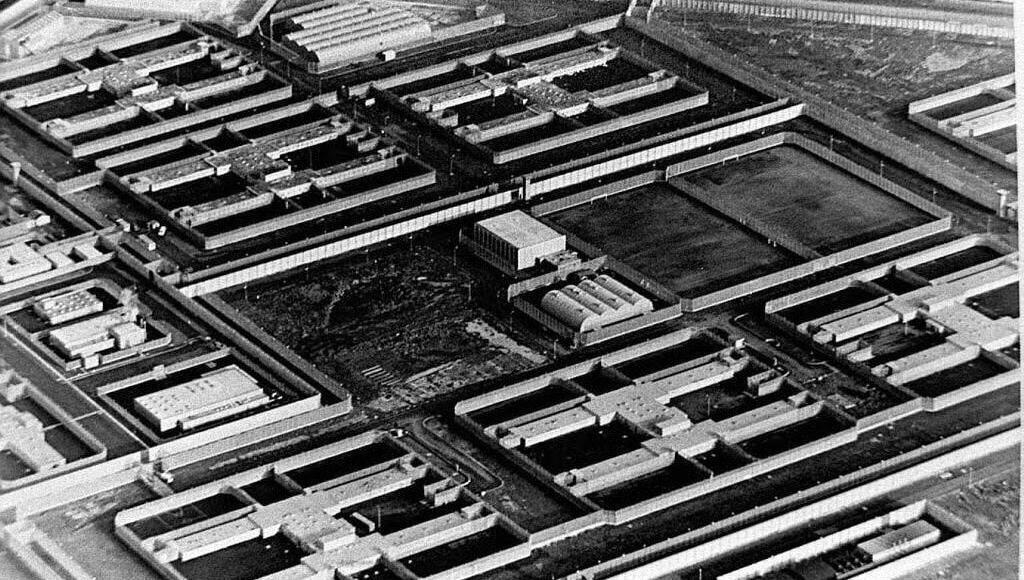
"The spectral shadows of pipe bombs, peelers, and ‘shinners who have settled for the status quo, lurk in the background."
Book Review: 'Close to Home' captures a yearning for a different life

In many ways, 'Close to Home' is a profoundly political novel giving insights into the fallout from The Troubles.

  • Close to Home 
  • Michael Magee 
  • Hamish Hamilton, €13.99 

Close to Home is the debut novel by Michael Magee. It is a powerful meditation on class, politics, and masculinity.

We first meet Sean as a 22-year-old who has taken a swing at a lad at a party. “There was nothing to it. I swung and hit him and he dropped.” But he gets 200 hours of community service for this assault and is bound to the peace for a year which lends his already uncertain life an added degree of precarity.

Sean is the only one in his family to make it to university, the one who was supposed to get away. Back from Liverpool with an English degree that isn’t worth the paper that it’s written on, and vague plans to save to do a master’s, Sean finds himself drawn towards his childhood friends. Their lives consist of a hopeless round of rubbish jobs, petty crime, and relentless socialising that mask the pain of limited horizons which spring from a concatenation of circumstances that lie outside their control.

Make no mistake, these characters have little agency. Ryan who injects steroids into his arse cheeks daily or Finty who rounds up tourists for bus tours getting paid €9 an hour while dodging scraps. Sean’s troubled brother Anto who goes on three-day benders, puts his fist through the television but kisses his brother tenderly on the cheek. In many ways, this is a profoundly political novel giving insights into the fallout from The Troubles. 

The characters’ parents are maimed in different ways, many have been in Long Kesh, in Castlereagh. They raise their offspring in a society that is scarred by unemployment, drugs, alcohol, addiction, abuse, violence, and hopelessness. Magee establishes this world with a sure-footedness that hints at personal experience and characters are drawn with sympathy.

He is brilliant at showing how economic forces and ingrained societal inequalities can derail the best attempts to make a go at it and escape the bonds of a hardscrabble life. He creates powerful images of childhoods steeped in financial hardship and in cultural and emotional deprivation. He skillfully draws the difficulty for aspirant kids of figuring out the unspoken codes and cultural references of a world that holds the keys to education, and employment.

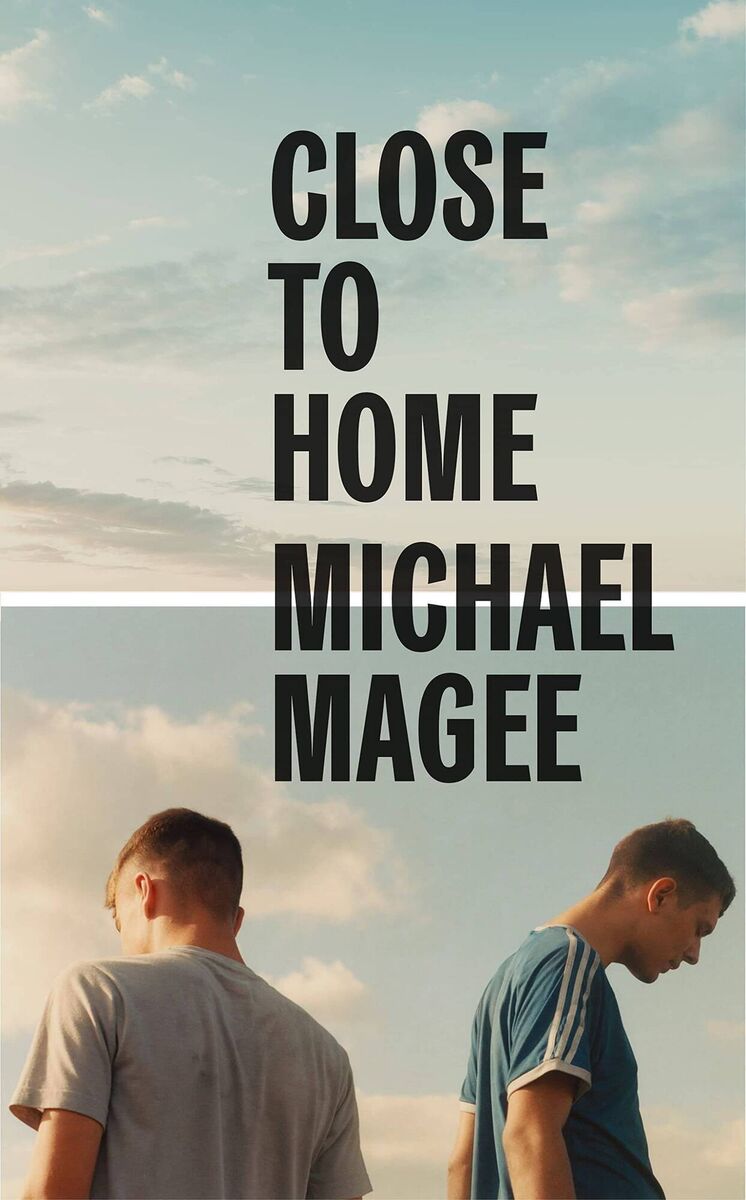
Close to Home. by Michael Magee

His childhood friend Mairead is another anomaly who has also made the giant leap to university and would like to do a master’s degree. She reads Susan Sontag while being ‘a shot girl’ in nightclubs, couch-surfing, and saving up to go to Berlin. Scribbling poetry in her moleskin notebook she hangs out with her Belfast university friends who attend art exhibitions and poetry readings.

Mairead asks Sean: “What do you wanna do with your life, Sean?” His reply is: “Dunno. Haven’t really thought about it.” In fact, Sean wants to be a writer and Mairead omits to mention her poetry, both are cagey about admitting to what seems like middle-class aspirations. Sean dragged along on a night out with Mairead’s arty crowd thinks, “as if going to a poetry reading was an entirely normal thing to do”.

Listening to people “with no skin in the game” expound about the mental health issues of working-class people he thinks, “transgenerational trauma, whatever the fuck that was”.

And there is dark humour. Sean says of the inept lawyer slated to defend him: “My barrister, some watery-eyed weasel in a two-piece suit, who was full of the kind of useless energy I had only ever seen on a five-a-side pitch when that one poor bastard who doesn’t want to be there is stuck in nets.”

This gritty, funny, deeply affecting novel is a slice of Belfast. “Ye-ha, he shouted Up the Ra!” 

The spectral shadows of pipe bombs, peelers, and ‘shinners who have settled for the status quo, lurk in the background. 

However, this is Sean’s story and this novel establishes McGee as a powerful storyteller. You are always on Sean’s side wondering if he’s going to make it out and realise his dream of having another life.

More in this section

Scene & Heard

Newsletter

Music, film art, culture, books and more from Munster and beyond.......curated weekly by the Irish Examiner Arts Editor.

Cookie Policy Privacy Policy Brand Safety FAQ Help Contact Us Terms and Conditions

© Examiner Echo Group Limited