Culture That Made Me: John O'Halloran, UCC president
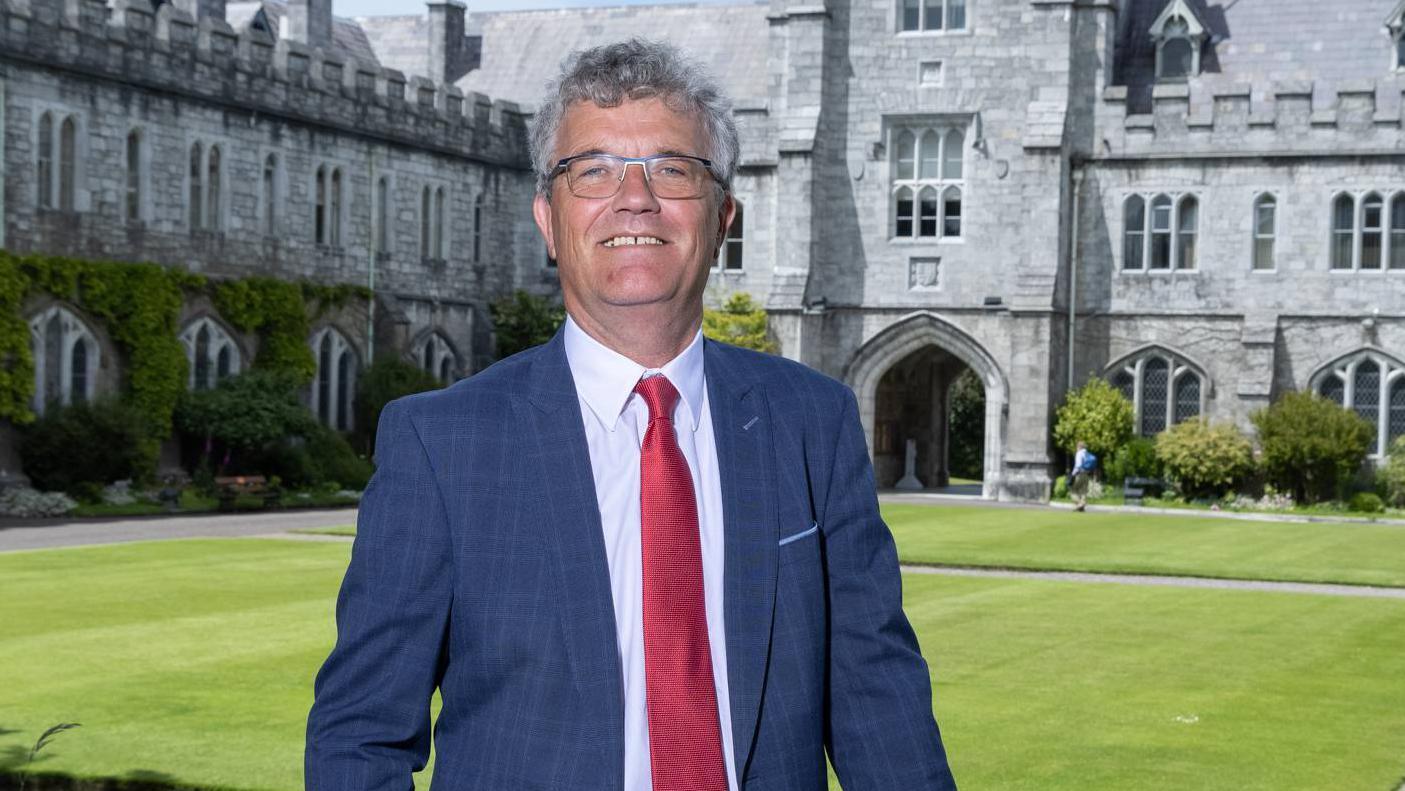
Professor John O'Halloran of UCC.
Born in 1962, Professor John O’Halloran is president of UCC. He grew up in Ballinlough, Cork city. He built his academic career from research in ornithology – with, for example, a particular focus on dippers, swans and corncrakes – and has published widely on climate change and environmental contaminants.
Prof O’Halloran previously held academic posts at Colby College in Waterville, Maine, and at the University of Wales, Cardiff. He is an advisor to the European Environment Agency. He lives in Douglas with his wife Deirdre and three adult children.
The Adventures of Huckleberry Finn is a book by Mark Twain about a young man who goes off down the Mississippi River, with these big ships and their turbines thrashing through the water in the river. It’s a great adventure story. The memory that stands out from the book for me is the section where he dips bull rushes in oil and uses them as lamps. I thought that was a fantastic read.
Rachel Carson's book Silent Spring led me in a certain direction and ultimately into my field of research, looking at the impact of mankind, in particular pesticides on birds. She wrote the book in 1962, but it still endures. Her notion about “a silent spring” struck me as something terrible – that the spring would go silent. Some of your readers might remember driving, particularly on summer evenings, you’d have a lot of insects on the windscreen. There used to be so many moths and butterflies around. That’s now gone. Those actions happen silently.
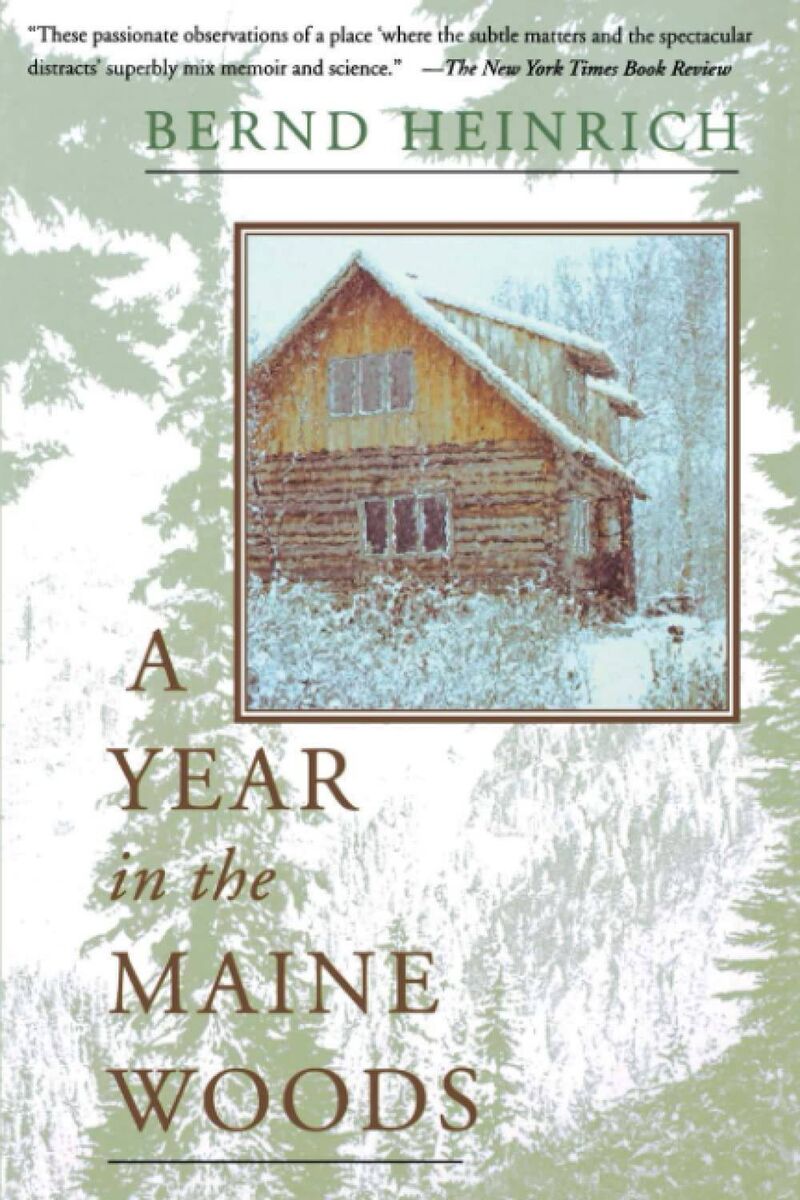
I lived in Maine and a book that has always stayed with me is A Year in the Maine Woods by Bernd Heinrich. He’s an extraordinary writer. It’s a beautiful landscape. It has the Appalachian Trail with beautiful fall colours. I love being outdoors. I loved the book. It gave me another lens on the world. It’s a fantastic read.
I found the Winged Migration documentary film, which came out in 2001, extraordinary. It’s directed and narrated by Jacques Perrin, a French guy. It was shot over several continents. It examined how birds migrate. I’m fascinated by migration – swallows and herons and a whole range of species migrate. The documentary helps us understand how it happens. They used ultralights and put cameras in front of geese, capturing how they fly and migrate. What was fascinating about this documentary was that some birds are losing their flight paths so they raised several species of birds and trained them to fly down the east coast of the United States with their film crews. It has these extraordinary aerial views.
The two-part documentary series The Hunger about the Irish Famine is a stark look back on a moment in our history. It’s based on a book published in UCC called Atlas of the Great Irish Famine. It educated me about aspects of the Famine I never knew about like cannibalism, for example. We learn all the time.
The David Attenborough documentary series Life on Earth was very formative. They were extraordinary, inspiring programmes, which came out in the late 1970s. Suddenly to have someone on television making documentaries from different parts of the world, exposing us to the fantastic life across the planet, whether it’s coral reef on the ancient seabed, the Galápagos Islands or alligators. For someone in Cork in the 1970s, you’d never get to see the diversity of species on Earth up-close. Something like bird watching is solitary in nature so to find out there was other people interested in these things was fantastic. Also he’s a peerless narrator.
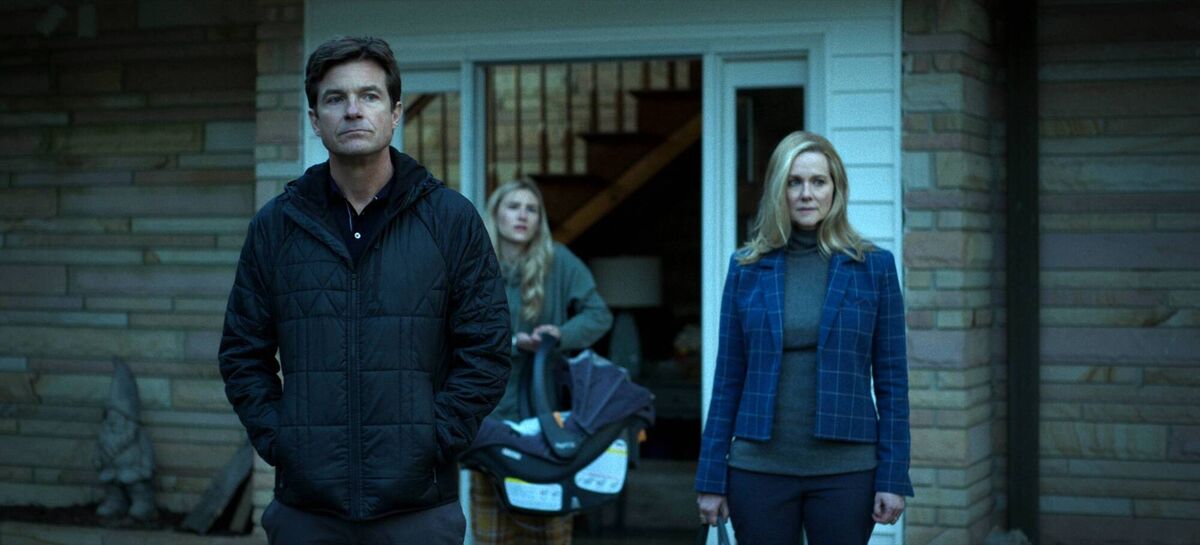
Ozark on Netflix really captured me. Marty and Wendy Byrde are two businesspeople, a couple, who get caught up in a major drugs cartel. It’s extraordinary entertainment. It shows interesting parts of the United States. The violence in it is awful. I generally won’t watch violence – I’ll turn it off, but this show has great insights into how drugs can destroy families and people’s lives. It’s gripping.
Born Free is a drama film, which was made in the 1960s. I remember it really grabbed me in my early childhood. It’s based on a book about a real-life couple who took over the rearing of three orphaned lion cubs in Kenya. A relationship and feeling builds up between them. Ultimately they release them back into the wild. It’s a film that has that sense of wilderness but also proximity to a very wild animal and releasing it so that it can get on with its own life rather than taming it, which we might do with other animals. It made a big impact. If I heard the music from the film, I’d still recognise it.
David Putnam is a close friend. I didn’t know him at the time I saw it, but his film The Mission is a classic. It came out in 1986. The music by Ennio Morricone is fantastic. The plot is about missionaries living down in South America and how arduous and difficult the life is there. The scenery – the mountains and waterfalls – is spectacular. The soundtrack together with the visuals is staggering.
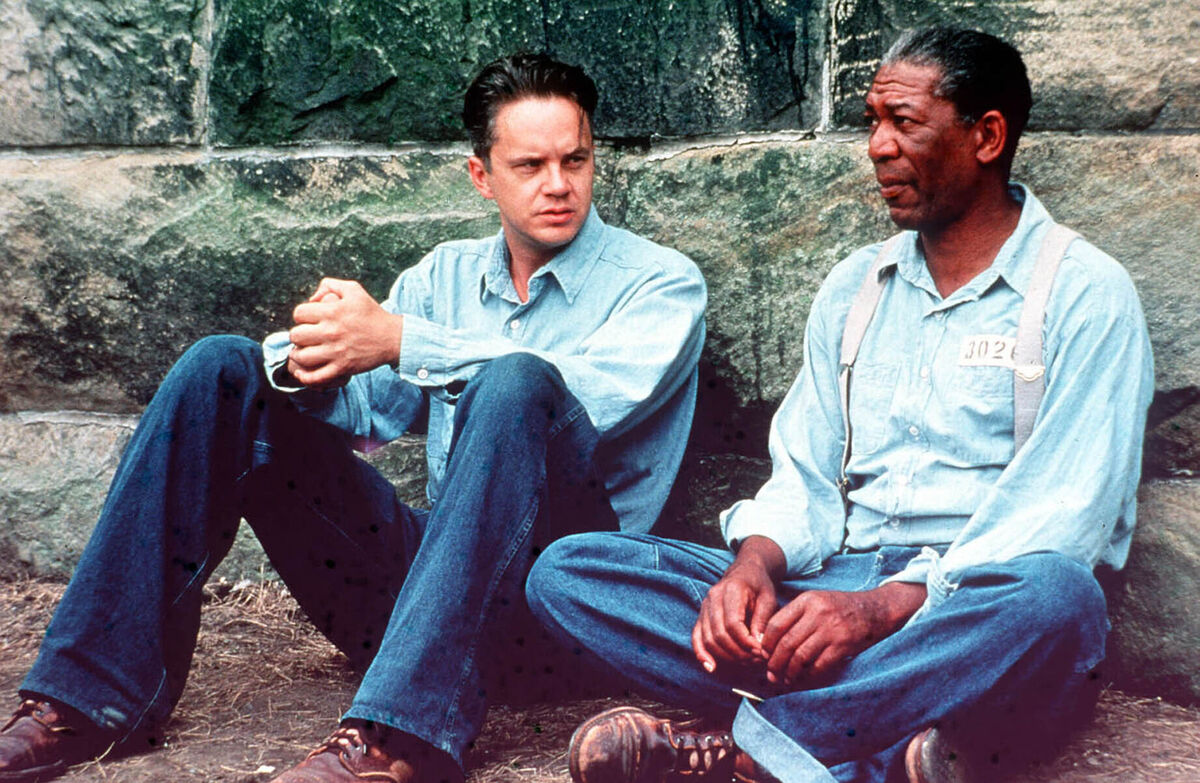
The film that stands out for me is The Shawshank Redemption with Morgan Freeman and Tim Robbins. I find the music in it fantastic. When I lived in Maine, I visited the prison where the film is made. My mum was with me. She’s now deceased. There was a little shop next to the prison. We went into the shop and it had all these wooden things on sale. My mother said: “There’s very tough-looking people inside here.” Of course, they were inmates, working on the till and so on. I’m really connected to that film.
I was lucky growing up – my parents loved opera. Every Sunday morning, there was opera being played in the house, which was fantastic. That left a lasting love of opera music for me. A famous one that stands out is Verdi’s opera called Nabucco. It was one that my mum loved. The Chorus of the Hebrew Slaves is a superb piece of music.
The stage adaptation of Louise O’Neill’s book Asking For It is a stand-out play for me. I went to see the premiere of it at the Everyman Theatre in June 2018. It’s about the treatment of young men towards women. I still vividly remember that night being at it. My daughter and son were with me. Every person should see it, the message it was giving. It gives insight into the awful things that can happen to young women. Louise O’Neill is an extraordinary woman. It’s a powerful play.