Book review: A careful depiction of racism and homosexuality in history
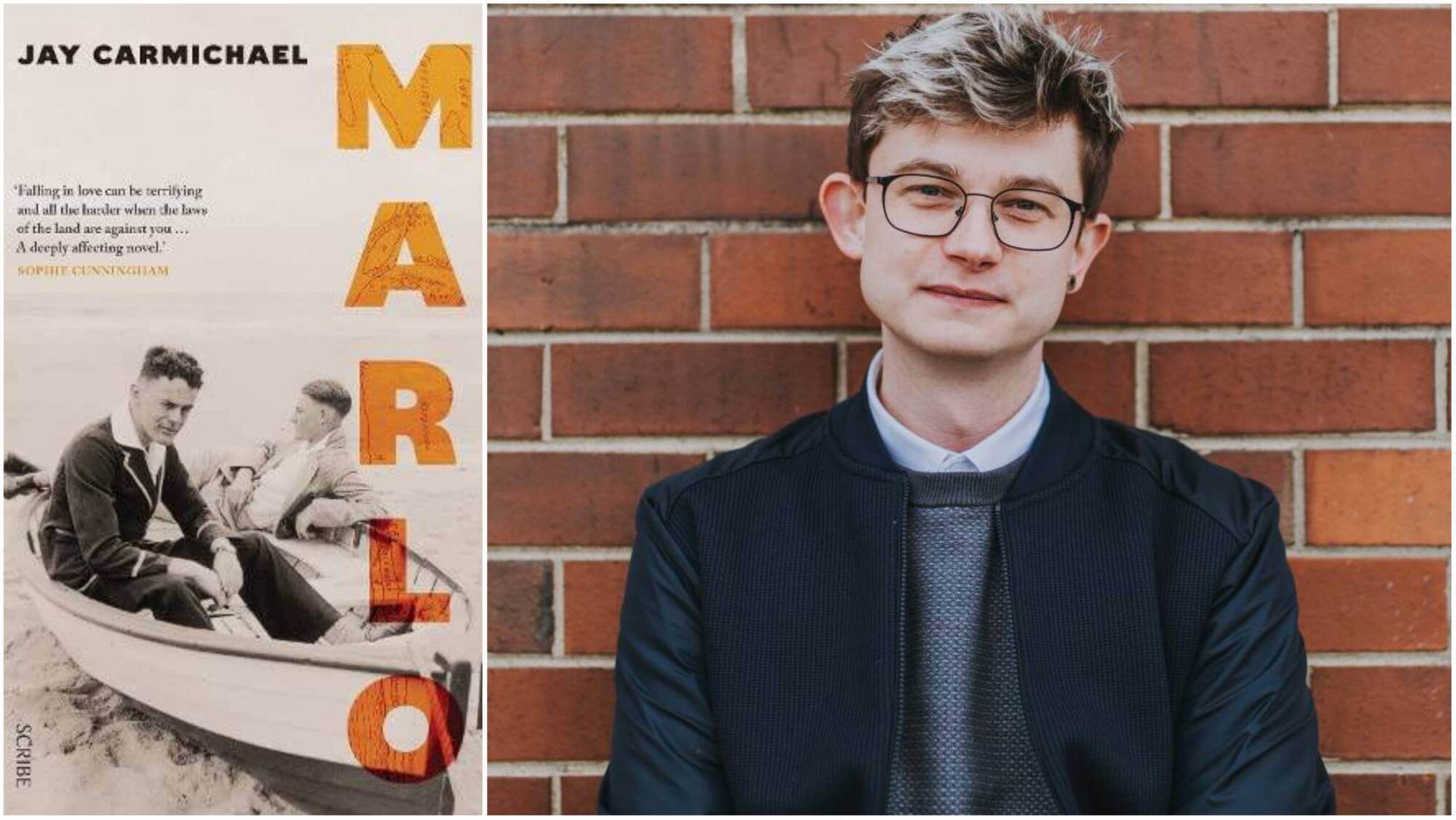
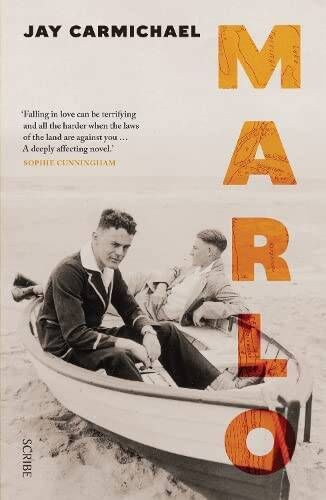
Marlo by Jay Carmichael
- Marlo
- Jay Carmichael
- Scribe, pb €10.35
In Australia at this time, prejudice was not in the slightest bit unconscious but entirely overt, much of it enshrined in law.
In Marlo, Carmichael also explores attitudes to “mid-century representations of male homosexuality” because at this time “male homosexuals came to the attention of the Australian Intelligence Security Organisation” and the press was “lambasting homosexuality and setting the tone”.
Homosexuality was defined as a medical condition but, despite this, the practice of “buggery” was seen, in the State of Victoria, as a crime until 1981, and had been punishable by death until 1949.
Carmichael’s main character is Christopher who has fled to the city of Melbourne from his tiny hometown of Marlo in Gippsland.
Marlo is at the edge of the Tasman Sea, between the Ewing Morass and the Marine National Park. Towns nearby are Wombat Creek, Bellbird Creek, and Cabbage Tree Creek — that area of the state is pretty literal in its nomenclature.
A young man growing up in Marlo is not likely to have opportunities for covert groping in the public lavatories.
Even in Melbourne, Chris is told, there are “coppers” waiting in the men’s conveniences and in the Botanical Gardens, intent on catching any cross-dressers or gay loiterers.
For a work of fiction to address problems like homophobia and racism within the contexts of society and the law, a writer must be careful to provide a really good story to carry the weight of the propaganda or political protest.
It is hard in this century to empathise with Carmichael’s characters since they seem alien in their conservative stiffness and repressed emotions.
Attending a picnic, Chris finds that his housemate has set him up with a blind date. In his efforts to be polite and avoid direct and hurtful rejection Chris takes a walk with Millie and the expectation from those in the party is that they are a couple.

Chris is not ready for that and dashes off to the pub for a pint. When another customer enters, the publican suddenly “discovers” that he has run out of beer. He offers a few drips of port in exchange for a fair sum of cash.
The newcomer, Morgan, is aboriginal and not welcome in the bar, but there is an immediate frisson between the men: This is forbidden fruit for both of them.
Carmichael navigates his way through their courtship as gingerly as they conduct themselves.
They cannot be seen in public together as the police get called and they have to burn letters that each writes to the other.
Any intimacy must take place in a wildly camp cafe or in a private home forcing Chris to leave his lodgings and find a rental of his own.
Comings and goings are monitored — mainly by curtain-twitching housewives — allowing Carmichael to air another prejudice, that of misogyny.
In fact, the final prejudice in Marlo is Carmichael’s against those, maybe including his readers, who “fit in” and exclude anyone who is “other”.