Ricky Ross on Deacon Blue, solo shows and his gratitude to U2
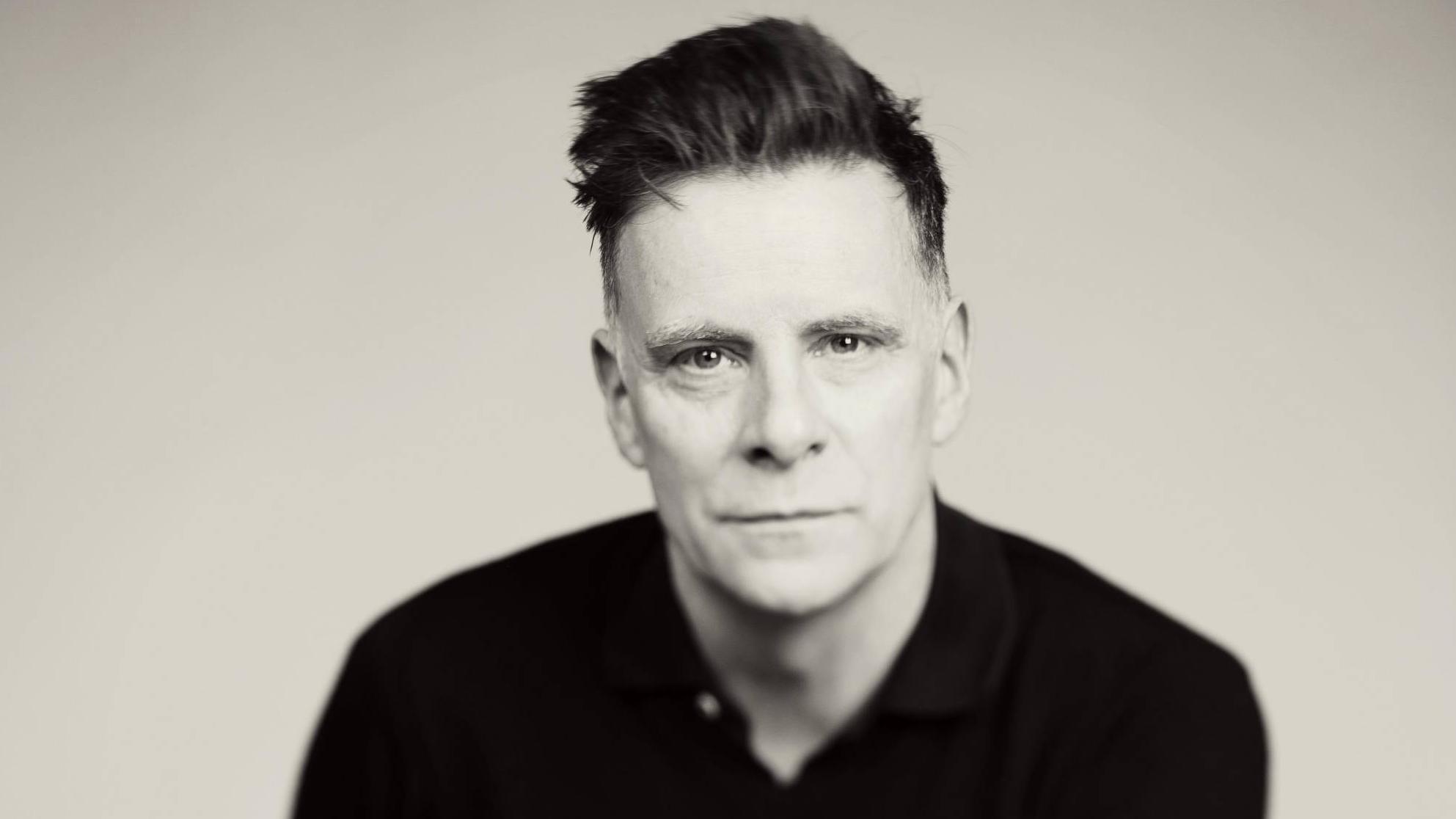
Ricky Ross of Deacon Blue plays St Luke's in Cork, and Sugar Club in Dublin.
Ask Deacon Blue’s Ricky Ross which musicians he looked up to in his hit-making late 1980s prime and he doesn’t hesitate.
“U2 were fantastic inspirations,” he says, speaking ahead of a trip to Cork for an intimate gig.
“And Simple Minds were particularly inspiring. We were really good friends with the Simple Minds guys. And I got to know Bono and the Edge a few years ago. There was always that thing where, if you’ve not done the trip to London, if you don’t based yourself in London…[then the industry wouldn’t accept you]. And they were like, 'no, we’re going to stay where we are. We expect the world to come to us.’ And that was always the big inspiring thing.”
As with Bono and Jim Kerr, Ross’s hits blended rock'n'roll and Celtic fervency. It was that soulfulness that defined Deacon Blue hits such as 'Real Gone Kid' and 'Fergus Sings The Blues' – both featuring on their chart-topping 1989 debut When the World Knows Your Name.
He’ll be revisiting that starry chapter of his life, along with delving into his rich solo catalogue, when he visits Dublin and Cork. For Ross, it will be a departure from the big shows he plays with Deacon Blue. The lights will be down, the mood thoughtful and conversational.
“You don't have anywhere else to go to help you if you get stuck,” he says. “The thing I enjoy about it is that it’s a different pace. You can take time to speak. A lot of it is about storytelling. A lot of the songs are stories themselves. People like hearing the context of the songs. It suits that slightly slower pace.”
Ross has had a busy lockdown. When Deacon Blue were forced to cancel a world tour in early 2020, he went home and recorded a ruminative new solo album, Short Stories Vol. 2 – a companion piece to 2019’s Short Stories Vol 1. He also wrote his memoirs, the recently published, Walking Back Home.
Walking Back Home isn’t merely another rock autobiography. It traces Ross’s life, from his upbringing in Dundee, his years as a pop star and his life with wife and Deacon Blue bandmate, Lorraine McIntosh, with whom has four kids.
“I think everyone is quite selective about their memories. I remember things I wanted to remember,” he says.
"I probably left things I had no real interest in talking about. People writing on Amazon, ‘it doesn’t even talk about the second album…’ So for some people, it’s a waste of time. But what you remember are the things that matter to you. Writing about growing, up, writing about my parents, the people who are the biggest influences. That was what was important to me.”
But there are rock’n'roll stories too. Ross became famous back when being a pop star was great fun. And then, as was inevitably the way back in the day Deacon Blue fell from favour as grunge and Britpop took over. He shrugs: he didn’t get into music to become famous and was prepared for the ups and downs.
And today, of course, the band are acknowledged for their sincere, rhapsodic sound.
“I wasn’t 21 when I was starting. That helped a little bit. Having had some life there was some perspective. You knew this wasn’t everything.
"I think it’s a great privilege for the thing that is essentially your hobby to be your work. I remember encountering a guy in a recording studio, ‘isn’t it brilliant... you can go to a recording studio and it’s your work’.
“That always struck a chord with me and was the idea I held on to. It wasn’t the idea of fame at any cost. What is handy is success.
"When you have success you can bend the world towards you a little bit. For example, doing the solo thing – it’s a nice little luxury that is afforded me. You can also do things on a bigger scale that are more commercial. That is the payoff, when you do something that succeeds and allows you go to go up little avenues.”
His Irish gigs come ahead of a 2023 greatest hits tour by Deacon Blue.
He enjoys the contrast between more intimate shows and bigger gigs.
“I love doing both things. It's funny that when one is one is reaching the end of a cycle, it's always the other one you are looking forward to.
"It’s nice that when the shows are small and intimate, people get a chance to see you after the show. I sign records. There are things you can do with this kind of show that you can’t with a bigger set-up. There's just no time. It’s not possible to do.”
- Ricky Ross plays Sugar Club, Dublin, Weds, Nov 23; and Live at St Luke’s, Cork, Thurs, Nov 24