Therapy? at thirty: Better late than never with anniversary celebrations
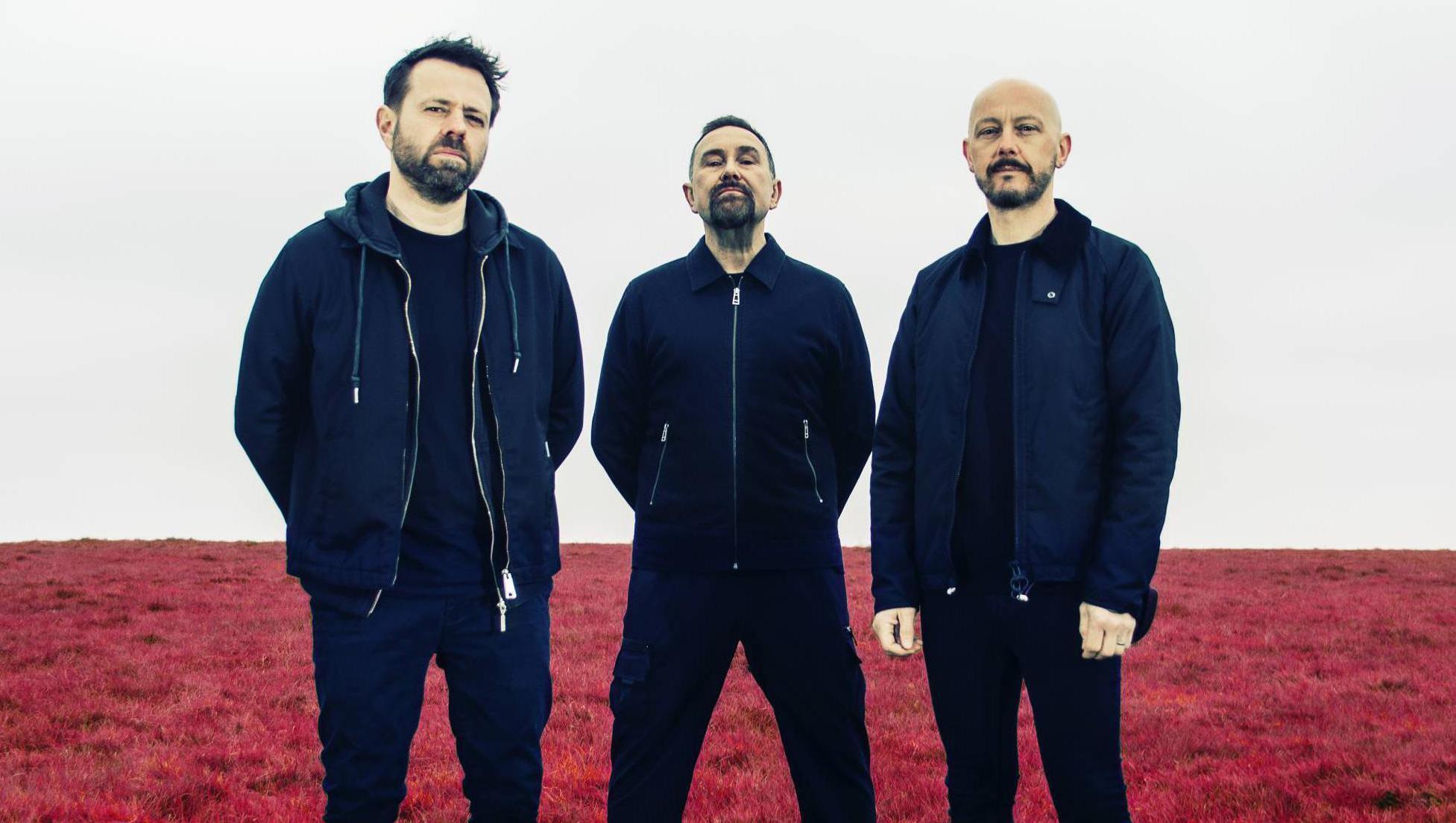
Therapy? L-R: drummer Neil Cooper, guitarist/vocalist Andy Cairns, bassist Michael McKeegan. Picture: Tom Hoad
The arrival of Covid-19 and the suddenness of measures taken to defend against its spread make March 2020 feel like a snapshot of another time. For Northern rock trio Therapy?, their thirtieth-anniversary celebrations had to be radically altered - a live-in-studio album tracked in Abbey Road in London, documenting the squall and rage of their ‘90s singles in the present, couldn’t be toured, while promotion for an accompanying book co-written by UK journo Simon Young had to be undertaken online.
“It didn't actually hit me,’ says vocalist and guitarist Andy Cairns. ‘Two things happened - I thought, right, 'I can't let this beat me'. I'm quite a loner anyway - whenever I'm at home, I spend a lot of time in books and movies, dog walking, going for long walks and running. I actually quite enjoyed it.
“But I knew that I wanted to keep playing the guitar, that was important, so I had a little routine, and I also knew I wanted to write new material, but I didn't want it to be about Covid, while I was living through it. I was very, very positive, and I know the other two lads were quite similar.”
When restrictions lifted, a tour in Europe and the UK had the band playing 44 shows.
“When I came home, I got depressed,” says Cairns. “I came home euphoric because the tour was such a success, came in the front door, and then after about a week I said to my wife, ‘I feel really flat, I don't know what's wrong’. She said to me, 'I haven't seen you sad, flat or down once in the last two years, and I think it's actually hitting you now', and I think that's maybe what happened.
“I preoccupied myself so much that I didn't have time to go, 'what the heck is going on with the world?' It actually all hit me when I came back - nothing compared to what some people have suffered with this horrible, horrible thing.”
Further to the band’s own long-delayed nostalgia trip, including a cheekily-rebranded 32nd-anniversary tour, former labels have also gotten in on the act: this year has seen a 30th-anniversary double-CD reissue for 1992’s Nurse via rightsholders Universal, including a good chunk of archival material, as well as the band’s work with UK label Demolition, including fan-favourite albums Crooked Timber and A Brief Crack of Light.
“I was expecting a nightmare - they've all been great, Universal have been very, very proactive, and they've got the band involved at every point with reissues. Demolition Records were fantastic, they had us up for a day in the Newcastle studio which we used to record in, they can never do enough for us - I think there might be a breakthrough in the coming months with Southern for reissues of [early EPs] Babyteeth and Pleasure Death.”
Recently, the band was able to channel its pre-Covid experience in songwriting remotely to work away on new ideas, and its lockdown-era efforts have borne fruit with a new album, due for release via Marshall Records next year.
“We had twenty-odd songs, half of them were more experimental, the others were very classic Therapy - melodic, propulsive drums, churning basslines. We listened to all the songs, and we agonised, and we thought, post-pandemic, we want something that, as much as Therapy can do, is slightly joyous. I don't know why, but I think there's a great deal of empathy on this record, it's like empathetic pop, with Helmet-esque guitars.
“It's called Hard Cold Fire, which comes from a quote by the poet Louis McNiece. He's talking about the resilience of people from the north of the country, it suggests a Calvinistic predestination. County Antrim is known for its basalt, and McNiece says, 'the hard, cold fire of the Northerner, frozen into his blood from the fire in his basalt, glares from behind the mica of the eyes'. It's stoicism, it's resolve and we just thought it was perfect for what we're like as people and our outlook on life.”
The band cap off their delayed anniversary celebrations in October with the Irish leg of the corresponding tour, hitting Cork, Dublin, Limerick and the band’s hometown of Belfast - each imbued with decades of memories for Cairns and company.
“I love Cork and Limerick. I have always absolutely adored them, since we started playing with the band, from the first times I've ever been there. I love Cork - it's different from the rest of Ireland, like how in the north of the country, Derry is completely different. There's something about Cork, you can tell by the different kinds of music over the years, the peoples' outlook on life.
“Limerick is very similar. I think the very first time we ever played in Limerick was in 1993 or '94, and we've been back, with The Stranglers at the Big Top, and Dolan's a few times, which is always a great gig.”
Belfast is sold out already, and Cairns is looking forward to also welcoming a bunch of old friends to their Dublin gig. It already feels like an anniversary celebration worth waiting for.
- Therapy? return to Ireland on Wednesday October 5 at Cyprus Avenue, Cork; Thursday October 6 at the Olympia in Dublin; Friday October 7 at Belfast’s Limelight, and Saturday October 8 at Dolan’s in Limerick. For more info and tickets, visit therapyquestionmark.co.uk
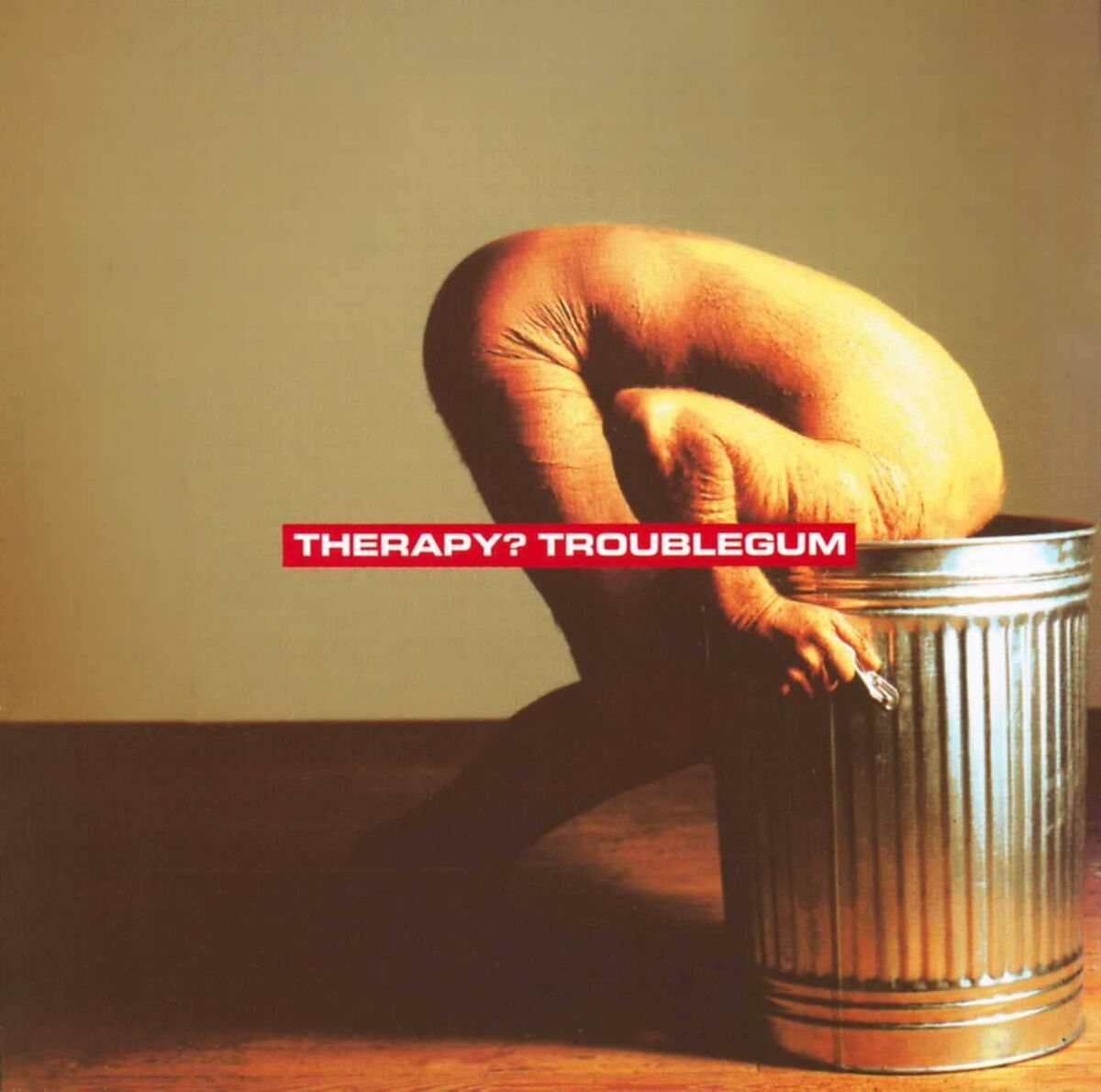
Compiling the band’s first two EPs, Babyteeth and Pleasure Death, it’s as definitive a document of the band’s early, noise-rock period as exists in the absence of remastered editions. Released in the US via independent institution Touch and Go.
The big one. A distillation of the Ulster punk influences that underpinned the band’s existence, with versions of Screamager, Die Laughing and other big singles dating back to early gigs. A serrated Venn diagram of pop, metal and indie-rock, tied up in literate, knowing lyrical charm.
After being dropped by A&M Records amid major-label reshuffles, a four-piece lineup went back to basics to make the music they wanted to - ‘Six Mile Water’s’ post-rock quietude sits neatly alongside the sour glory of ‘Hate Kill Destroy’.
Having long established themselves as lifers in terms of forward-thinking music, 2009’s Crooked Timber marked a complete reboot for the boys in black, taking influence from Krautrock, dubstep and Charles Mingus, with Gang of Four’s Andy Gill on the controls.
A snapshot of the Northern trio’s manifold and enduring charms - from the mature, psychedelic pop of ‘Tides’, to the crushing doom/trip-hop dichotomy of ‘Deathstimate’.