Theatre review: The Steward of Christendom hits the right side of history
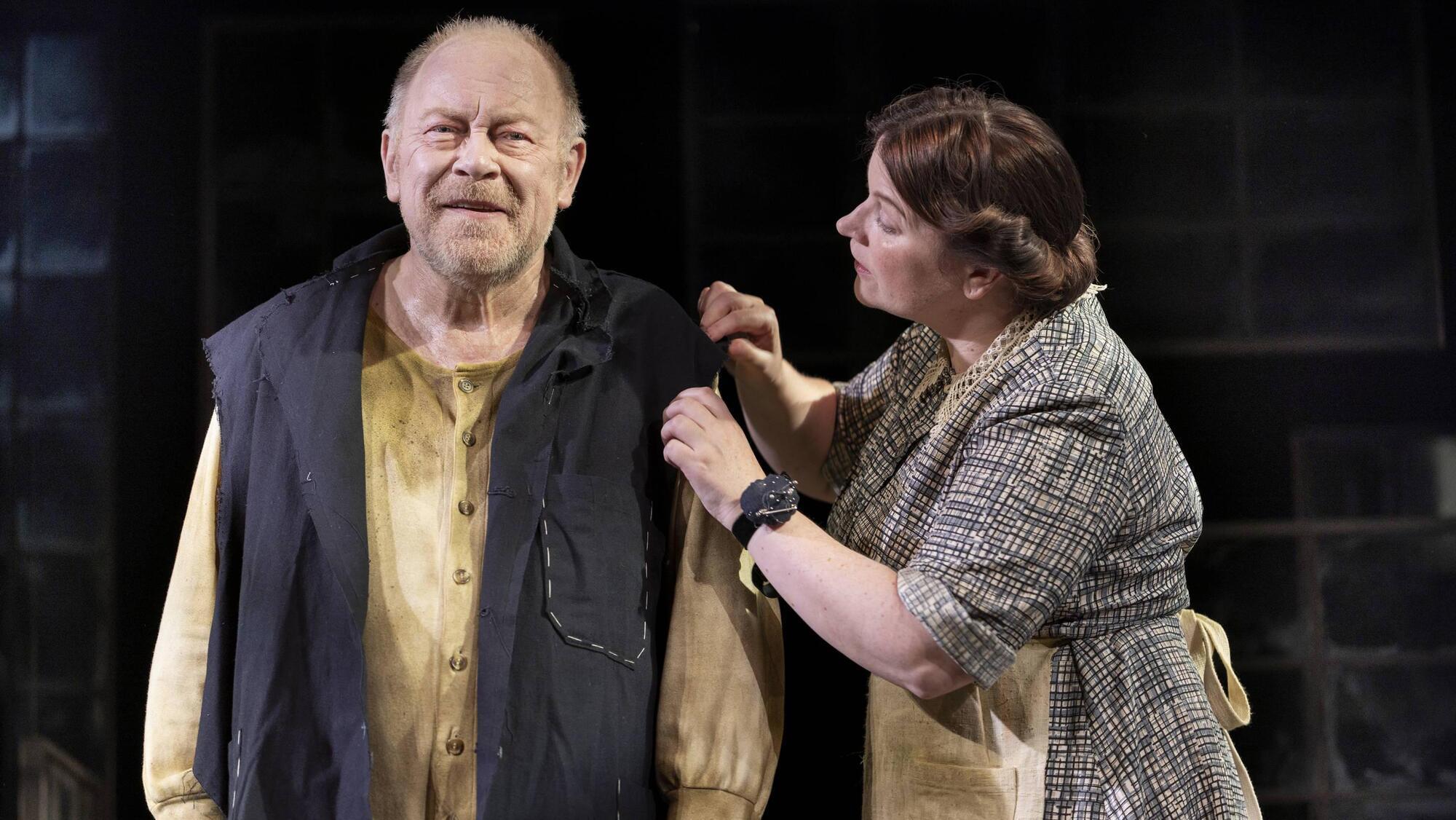
A scene from The Steward of Christendom. Picture: Agata Stoinska
Gate Theatre, ★★★★☆
It could hardly have been otherwise: Owen Roe is magnificent in this revival of Sebastian Barry’s 1995 memory play. In the role made legendary by Donal McCann, Roe cuts a beleaguered figure as Thomas Dunne, a former chief superintendent of the Dublin Metropolitan Police, losing his wits in a 1930s Wicklow asylum.
Dunne is one of those the new Irish state took so long to include. Caught on the wrong side of history, he saw the world he knew disappear and, with it, his position, his sense of self.
Barry has devoted many works to such figures and their stories, and Louise Lowe’s production fittingly emphasises the wider context, with Philip Stewart’s uneasy soundscape hinting at the institutional problems of this new Ireland, at how it was such a cold, menacing place for those who did not fit the narrative.
Coming at the end of this decade of centenaries, and in an Ireland where a more clear-eyed view of the past broadly holds sway, Barry’s revisionist project seems less urgent now. And that’s no bad thing. This is not to overly congratulate our present time, but simply to say that the play feels more personal now. Even if, of course, the personal remains political.
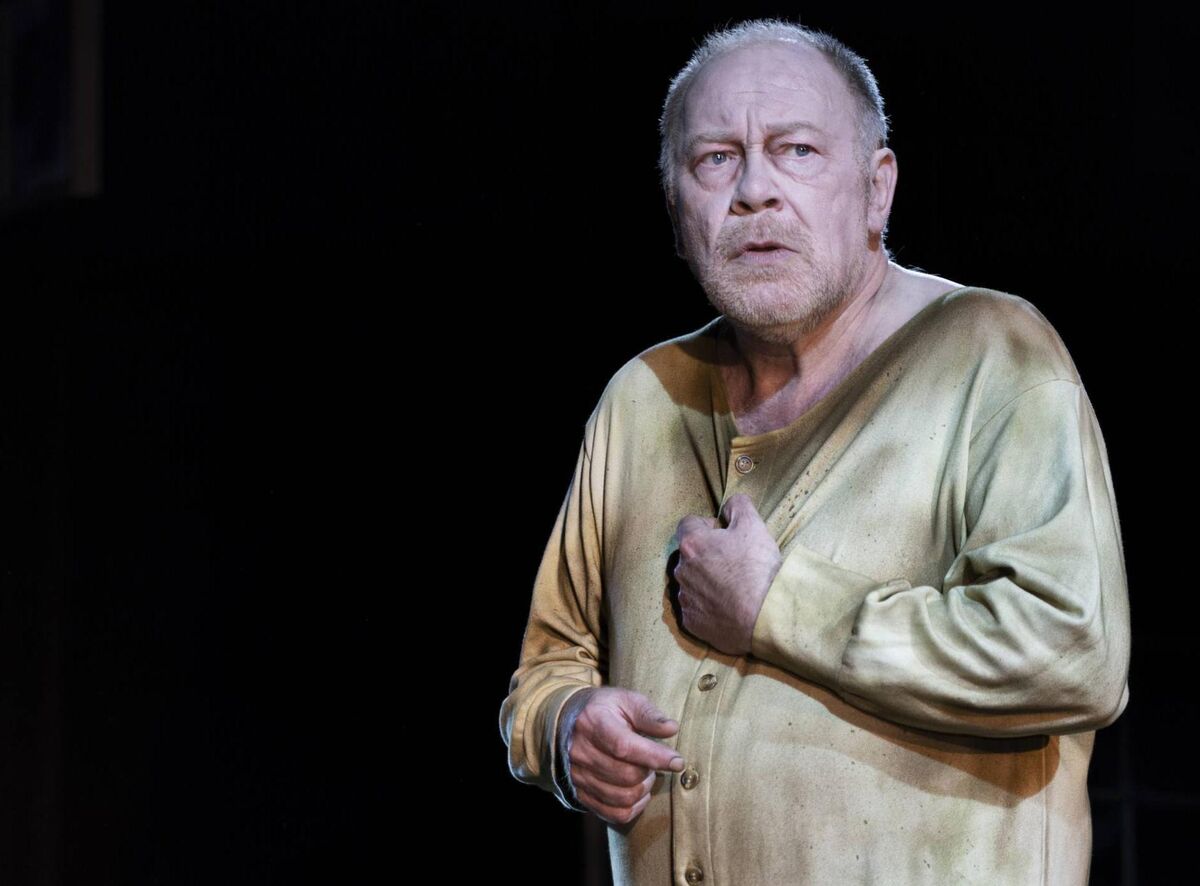
That very personal narrative is given in a series of reminiscences by Roe’s Dunne, with Barry’s vivid and beautiful language becoming like the score for a great jazz soloist: its tones and nuances to be explored and elaborated upon.
Roe deftly negotiates moments where Dunne is by turns lucid in his memories or confused in the present. As ghosts mingle with real-life visitors, Paul Wills’s set makes sense: a spectral space where those symbols of Dublin, high many-paned Georgian windows, seem to float in the air.
Such is Dunne’s dominance, and Roe’s centrality, that the play feels very much like a one-man show, even with other characters present. They might be major players in Dunne's life: his daughters, for instance, or his keepers in the asylum, but in Barry's play they struggle to be anything but bit-part players in a drama that lacks momentum.
It is undeniably touching, however, when we realise how the patriarch’s sternness and duty came from a place of love, a love loudly proclaimed for king and country, but rooted in family, particularly Dunne's son, Willie, killed long ago in the trenches of France. The personal is political, yes, but here, it’s historical too.
- The Steward of Christendom is at the Gate, Dublin until September 3. It then moves to the Everyman in Cork from Sept 6 to 10; and Lime Tree Theatre, Limerick, from Sept 13 to 17.