Culture That Made Me: Dáithí Ó Sé - 'When I was 13 all I wanted to do was be Axl Rose'

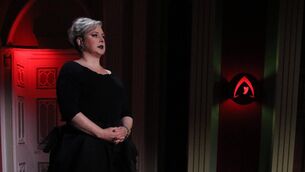
Dáithí Ó Se says Séamus Begley and Steve Cooney 'were the West Kerry Guns N’ Roses' when he was growing up in Kerry. Picture: Eamon Ward
Dáithí Ó Sé, 46, grew up in Feothanach, West Kerry. In 1999, he started working for TG4. In 2010, he first hosted the . He is married to Rita Talty, the 2008 New Jersey Rose. They live in South County Galway with their son. He has been a presenter of the show on RTÉ One television since 2012. He will co-host , live coverage of the Fleadh Cheoil, TG4, 9.30pm, 5-7 August. See: www.tg4.ie.
When I was 13 all I wanted to do was be Axl Rose. My father was trying to get me to listen to Irish music, but I wasn’t happening: “Sorry, Guns N’ Roses, a bhuachaill, agus sin sin.” But that's what you do as a teenager. You plough your own furrow. Eventually you'll come back when you're 18, 19 or 20, and you have a mix of everything. I was first drawn to Appetite for Destruction. Later Guns N’ Roses there was a lot of fluff and pomp, but that album was just pure raw. It was real down in the gutter, “dust rising in the square, the high ball is coming in” stuff.
When Séamus Begley and Steve Cooney played together, it was rock ’n’ roll. It was back to basics. You’d a fella from West Kerry and you’d a white Aborigine with Irish heritage from Australia. When they were on stage – Séamus playing accordion, Steve playing didgeridoo – you’re thinking, how in the name of God is this working? But it was. It was two genres coming together, pared back and down to two individuals who knew what they were doing. They were the West Kerry Guns N’ Roses for us growing up.
T. Ryle Dwyer’s book is a powerful read. People focus on the divisions towards the end, but they had so much in common too. When you’re reading it, you have to ask yourself: who am I reading about now? They were alike in ways. They achieved so much. The question I had at the end of it was: what if they had stood together? What would the outcome have been? You can’t have two alpha dogs in the garden. That became apparent as I read through the book. There’s only one fella who’s gonna come out of this. I don’t have a favourite between them. As a TV presenter, I have to sit on the fence.
I remember reading the biography by George Drower. I was teaching at Athlone Community College back in 99. I read the book start to finish doing supervised study every evening. Can you imagine what it took him to do what he did every day of the week, moping things up from the Government of Ireland Act in 1920, trying to get equality and fair representation for the nationalist community in Northern Ireland? The system was 100 percent set up against him. To keep going and to pull through, to achieve what he did. He was never pushed around, never bullied and was never the bully himself. He rose above the lot of it. A fierce character.
I was blown away reading Paul McGrath’s autobiography . I follow Gaelic football and hurling; I don't follow soccer, but I follow the Irish team and knew he was one of the biggest stars at Manchester United and four or five years later he was sleeping on a bench. His honesty and what he went through is something remarkable altogether. I met Paul McGrath a few times and we’d message each other now and again. I still get excited when he messages me back saying, “I hope you're keeping well.”
The first TV presenter that stood out for me was Mike Murphy. He has that devilment in his eyes. Mike Murphy’s the kind of fellow who could come into a room and walk up to anyone and put his hand around them and have that conversation – “How are you keeping?” – without even knowing who they are. He has that special bond. You can't beat the rogue inside anyone like that. There's a natural rogue inside people; there never seems to be any airs or graces about them. He just seems to enjoy it as well.
Mary Kennedy is one of the best TV presenters we’ve had in the country. She has the whole thing. She has English and Irish. She has a fantastic presence. There's an elegance about Mary. She has always been ladylike, never left herself down. Always in good form. Always very professional. She is somebody that I really admire.
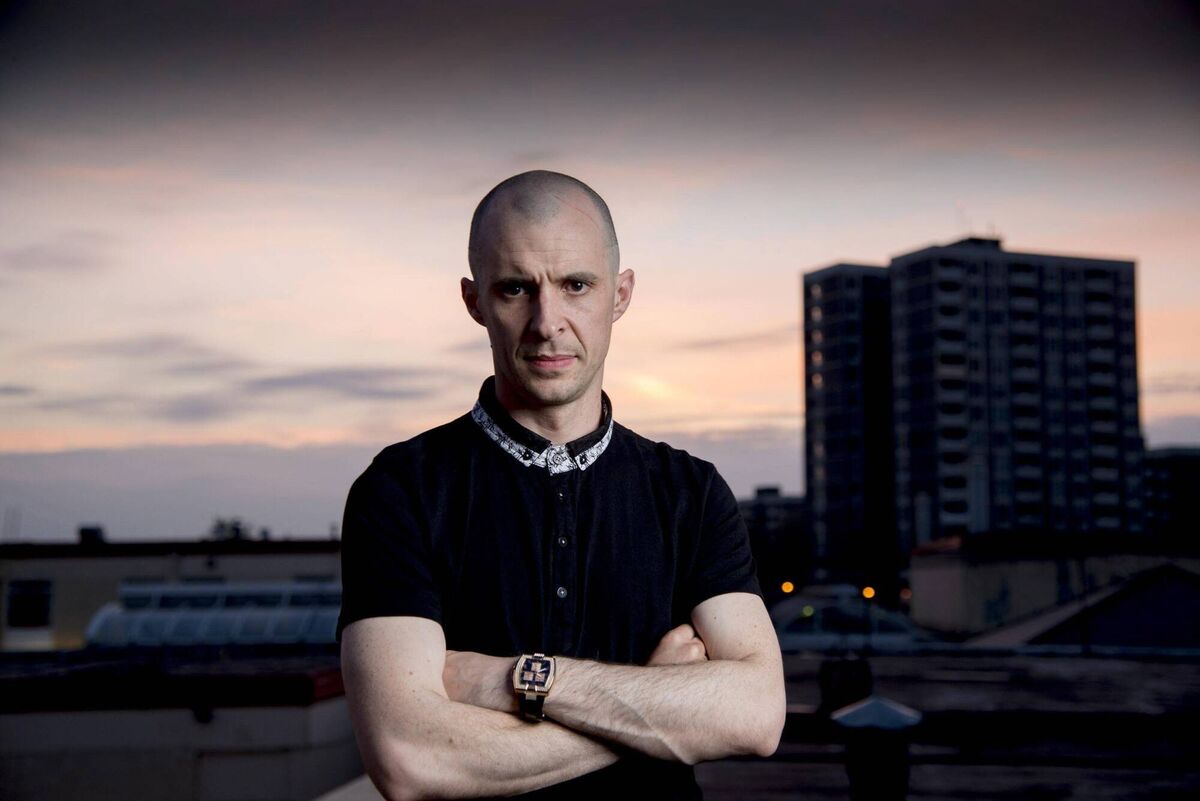
was fantastic. I loved it. It was the first time RTÉ really went down that road and went for it – nailing the writing, nailing the stories and nailing the characters. I’d to take a bath at half six in the evening Sunday before that would come on. That’s how serious I took it. I lay in bed watching it. The evolution of Tom Vaughan-Lawlor as Nidge was extraordinary, if you look from start to finish – the rise up, and the downward spiral was something unbelievable. I loved Peter Coonan’s character as well. He was a baddie in it!
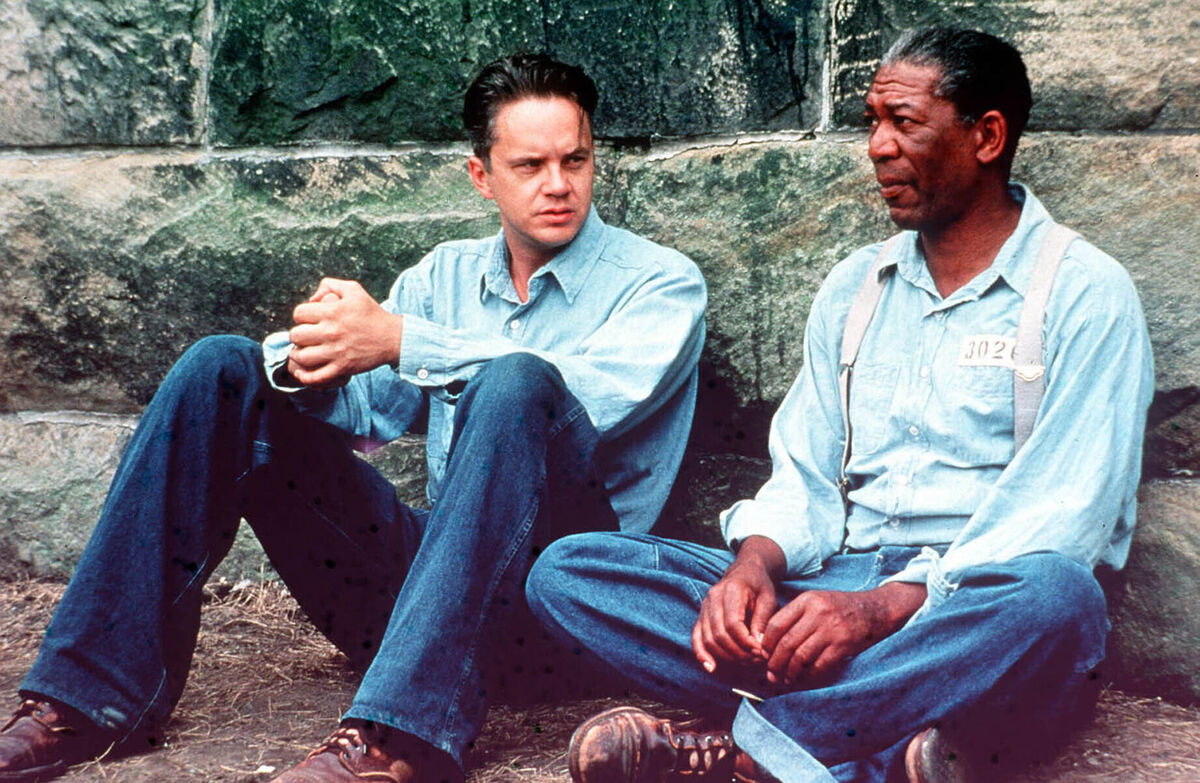
I've the same favourite film as 90 percent of the population – . Hard to top that one. I always get choked up at the end. A prison drama will always give you this thing: they are bad people, but the film’s central character, Andy Dufresne, wasn't a bad person at all. You go through what he has endured. It's how his character and Morgan Freeman's character, Red, come together. It’s also how the top guy in the prison – who Andy goes working for – is probably the biggest crook of the whole lot.
There's a line in that always catches me. When Andy Dufresne, in his prison clothes, is walking back to his cell for the last time and Red, the narrator, says: “Seriously, how often do you look at a man’s shoes?” Nobody looked down at his shoes. He had the warden’s proper shoes on. It’s a thing in life for me. Look at anyone the way they dress, the fancy shirt on them, but look at the shoes. They tell the character. If you think a fella is out of his depth, look down at his shoes. It will tell a lot about him.