Culture That Made Me: New York Times columnist Maureen Dowd
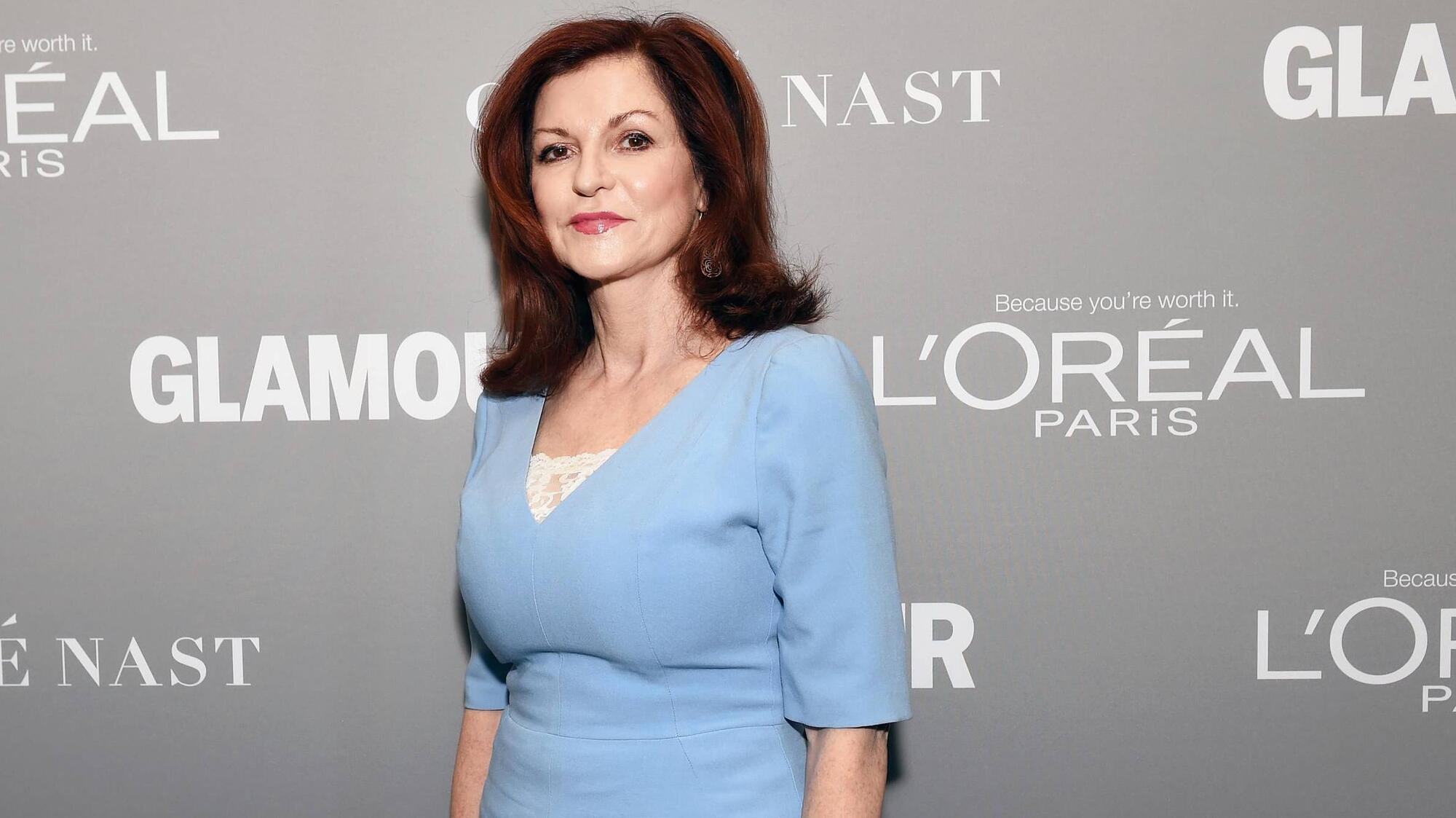
Maureen Dowd is one of the contributors to the discussions strand at Galway International Arts Festival. (Photo by Emma McIntyre/Getty Images)
Maureen Dowd, 70, grew up in Washington, DC. Her father was born in Ballyvaughan, Co Clare. Her mother’s parents were from Co Mayo. In 1983, she joined the New York Times. In 1995, she began writing her famous op-ed columns. As a female in a predominately male domain, she has been a mould-breaker on “murderers’ row”, as columnists’ offices are known. She is a two-time Pulitzer Prize winner and author of several books, including Are Men Necessary? She will be in conversation as part of the Galway International Arts Festival, 7pm, 15 July, O’Donoghue Theatre, NUI Galway. See: www.giaf.ie.
I’m dumbfounded Mary Shelley wrote Frankenstein as an 18-year-old. I’m in awe of her. As someone said to me: “Who knows more about horror than teenage girls?” I used Frankenstein in a Trump column recently. Trump is a narcissistic monster, but is unlike Frankenstein’s monster, who is very appealing despite the fact he goes on this rampage. The question is: does misery make the monster? His creator rejects him – this horrible, ugly being – without ever listening to how cultivated and graceful he is. That's when he turns bad, but he's a thinking monster unlike ours here [laughs].
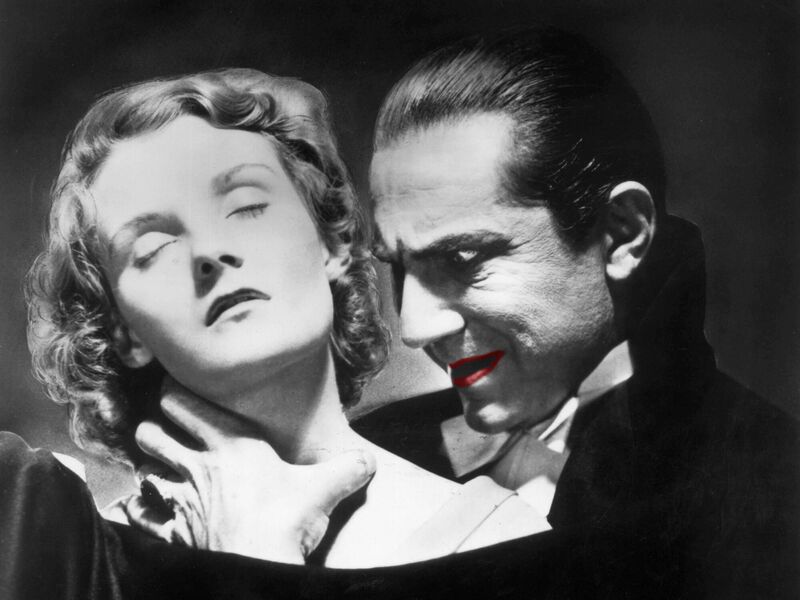
As a teenager, I loved Dracula. My brothers and I were obsessed with vampires. We watched the Béla Lugosi Dracula film repeatedly. Bram Stoker's book, however, is much richer than the movies. I was thinking of Dracula the other day because I was writing about Mike Pence and the art of sycophancy. He’s like Renfield in Dracula where he's running around lapping up flies and doing the master’s bidding except the one time he didn't.
A novel like Frankenstein is about giving life, creating life. That's why I cover Silicon Valley because the Lords of the Cloud think of themselves as gods who are creating life and they are – they’re creating the new AI lab, which may or may not destroy us. They’ll either merge with us or destroy us, or, as Steve Wozniak says, “We’ll become the family dog.” He began treating his family dog a lot nicer once he realised he might soon be the family dog for an AI family.
All I ever did in my 20s was read Jane Austen. Like Charles Dickens, she gets criticised for wrapping everything up with a nice bow – and bringing all the threads together and sending you off feeling great – but I love that because that doesn't happen in life. I love when she drills down on people’s characters. That template she uses in Pride and Prejudice where it’s the bad, naughty guy that you're drawn to and the upright guy that you're not drawn to. You realise at the end you have it backwards. A lot of her heroines go along thinking they know things and they don't. As the reader, you’re allowed to go, “No! You’ve got it wrong. It’s Darcy is the great one.”
I don't care about Jonathan Franzen-type novels where it’s siblings or couples fighting and everyday quotidian woes where they have a headache and they go to the drugstore. I care about primary colours, primal things, life and death. That's why I'm a Shakespeare buff. I’m totally in love with Shakespeare. I would love to meet Shakespeare and ask him, “How did you write all those works?”
There are periodic complaints that Shakespeare is out of date and we should stop showing The Taming of the Shrew. Shakespeare was an extraordinary feminist. You have to look at him in context. Four hundred years ago, if a woman was “too much of the scold” there was an instrument they would put over her mouth. The female characters he created were remarkable. It was astonishing how he could get in the minds of women. He created the model for the sassy, smart, independent woman that later became the model in Hollywood movies in the 30s for Katharine Hepburn and Carole Lombard.
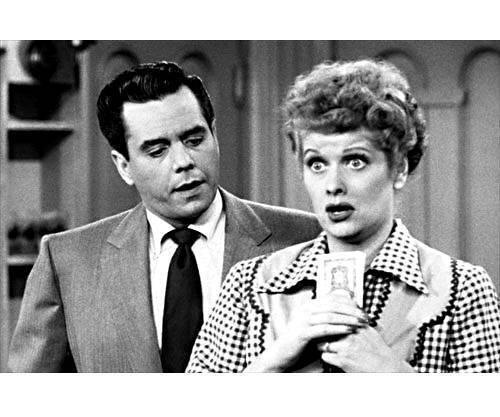
Lucy and Desi is a documentary film by Amy Poehler. It’s about Lucille Ball and her relationship with her Cuban husband, Desi Arnaz. In real life, when she married him it was considered a mixed marriage. Her representatives didn't want her to marry a little-known Cuban band leader when she was a big movie star, but Lucy did what she wanted. He told her he knew how to rumba horizontally so that sealed the deal. They loosely based their famous TV comedy show on their relationship: he was a Cuban bandleader; Lucy was a wacky, redheaded 50s housewife. It seemed like Desi was in the driver seat, but in the end she would always win. Desi would have to roll his eyes and mutter something in Cuban.
My older brother helped raise me. When I was little he used to take me to AFI – the American Film Institute in DC. We watched movies like American in Paris and Shane. He gave me a love for classic movies. It is still my major comfort food – to watch the Turner Classic Movies channel. For looks and style, I don't think you're ever gonna beat Ava Gardner. I love glamour and mystery, which are not in abundant supply anymore.
My favourite movie genre is film noir. I sort of modelled myself on the women in those films because they were incredibly savvy and independent and they always got around the lame guys. Unfortunately, in the 1940s they had to die in the end. I love Out of the Past with Kirk Douglas, Robert Mitchum and Jane Greer. It's one of my favourites.
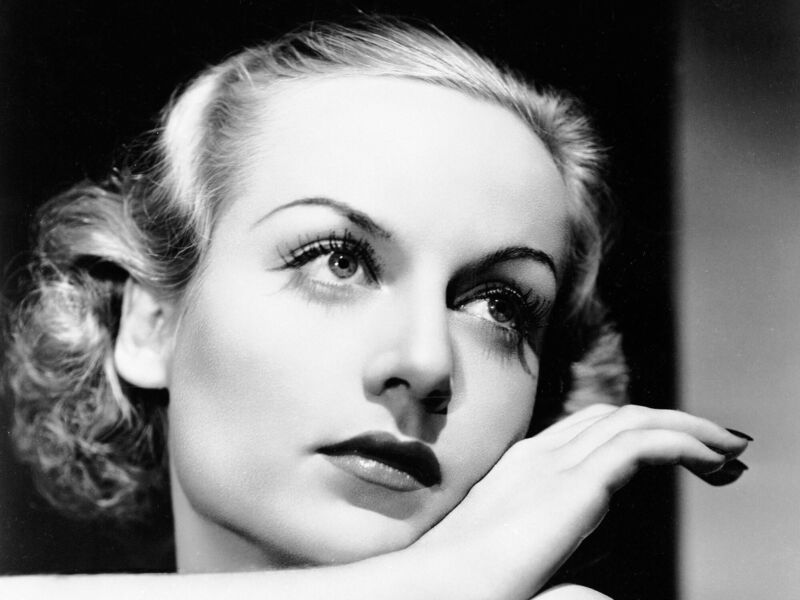
My favourite actress is Carole Lombard. Everyone loved her because she had no pretensions. She was a movie star, but she was very down to earth. She loved playing crazy pranks. She seemed like a really cool person. When I see her in a comedy, she's radiant. She also had a lot of great lines, like: “A woman's most important job is choosing the right shade of lipstick.”
I listen to the podcast You Must Remember This with Karina Longworth. It’s about old Hollywood. It’s excellent. She does deep dives into scandals and relationships and changing social mores in Hollywood over the last century.
I take heart from Dorothy Parker because she was always criticised as frivolous. She would say “geegaws” and “doodads”, but she stuck to her guns, and became Dorothy Parker. It’s like the vampire thing: you've got to filter out the naysayers who tell you that something is frivolous and not cool and trust your own instinct on it. In a dream world, I would like to be Dorothy Parker with a happier personal life.