Culture That Made Me: Rick O’Shea chooses some touchstone reading, art and other influences
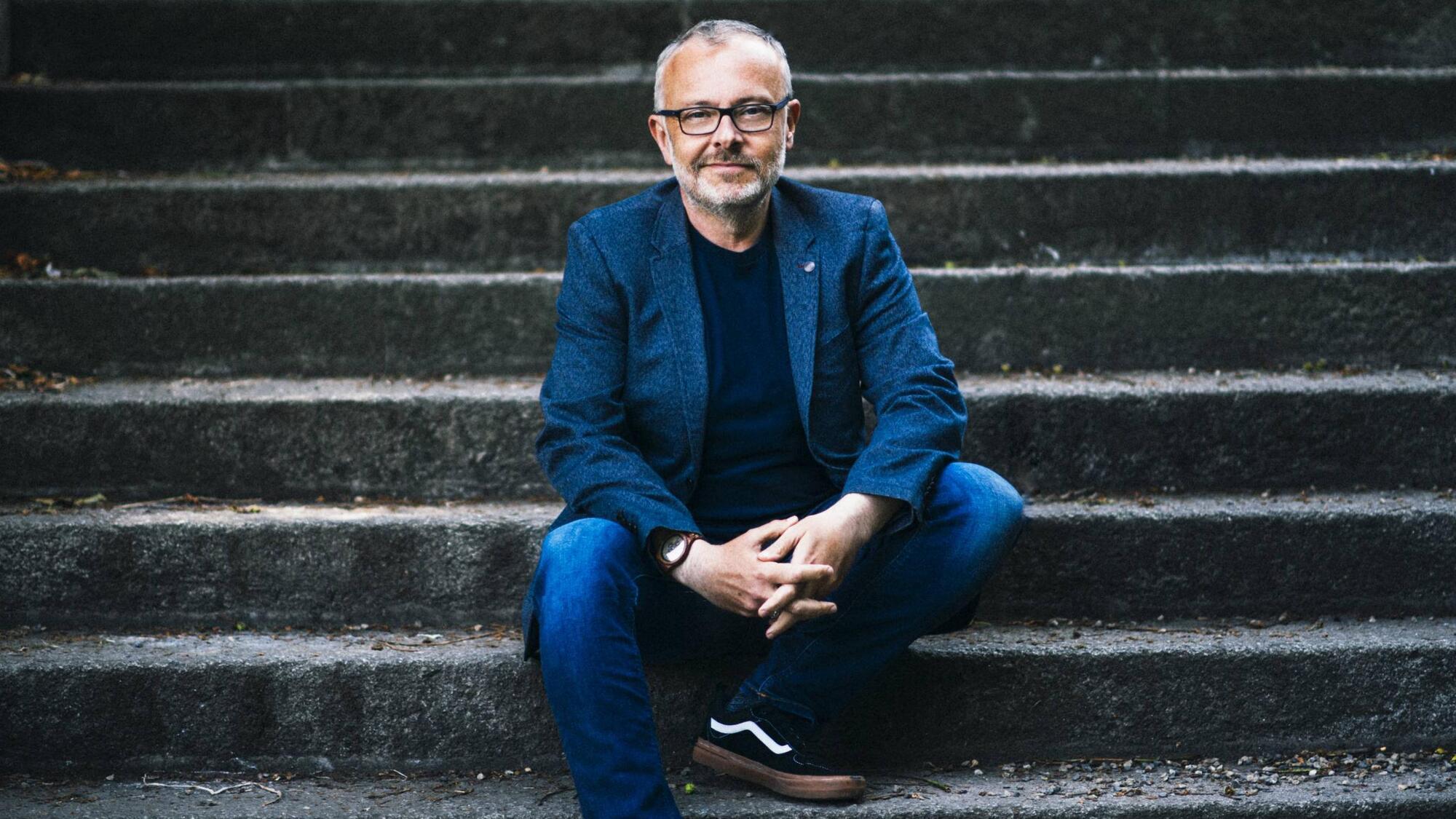
Rick O'Shea. Picture: Ruth Medjber
Rick O’Shea, 49, was born in Drimnagh, but grew up in Crumlin, Dublin. In 2001, he joined RTÉ as a DJ on 2FM. Later, he established himself as one of the country’s foremost arts presenters – on radio; interviewing authors at festivals; and as a festival curator. In 2014, he started the Rick O’Shea Book Club, which has become Ireland’s largest book club with over 38,000 members. He hosts the weekday morning radio show on RTÉ Gold.
In third class, we had a class library. I think it was three bookshelves. In the bookshelves, there was a yellow-spined book of Arthur C Clarke's short stories. The first story in it was one of Clarke’s best: ‘The Nine Billion Names of God’. Arthur C Clarke’s works were the first wedge I got into adult reading. Over the following ten years, I probably read almost every major thing that he wrote. And I've spent most of my adult life being obsessed with science fiction in every form – TV, movies, writing.
I subscribe to Irish book journals. Things like Tolka, which is a nonfiction Irish book journal; The Stinging Fly; The Dublin Review; Banshee. Some of the content is amazing. Also, they only tend to come maybe three or four times a year so you tend not to get behind on your reading. The guilt when you fall behind on subscriptions to magazines coming in every week can be killing laughs.
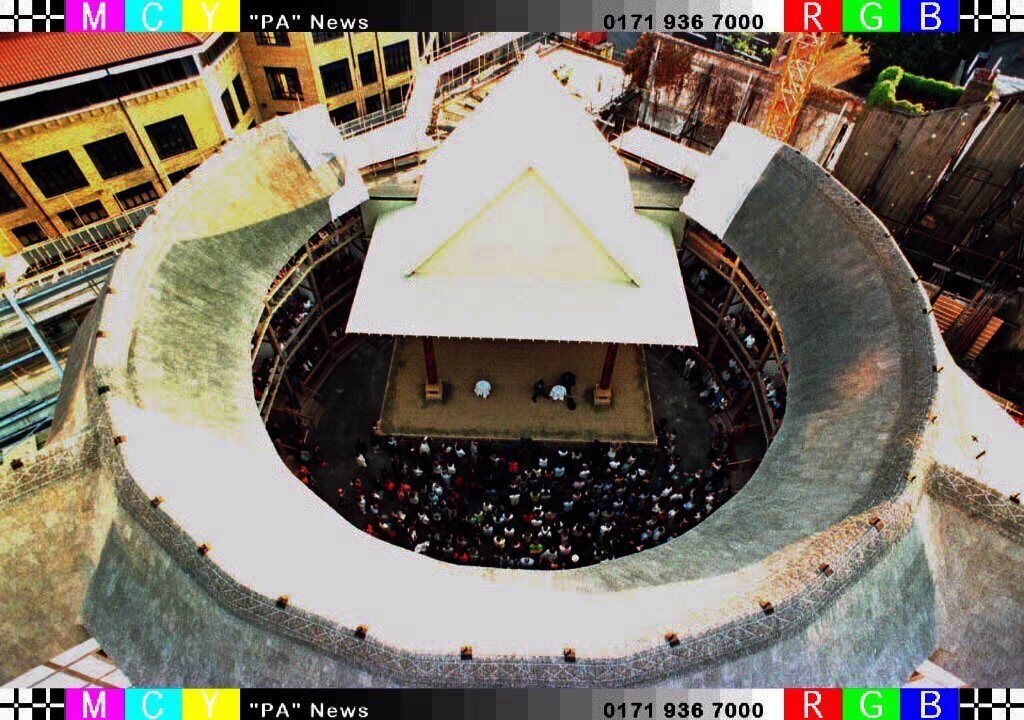
Reading Shakespeare at school, it never leapt off the page. It was only when I went to see it on stage at The Globe in London that something happened for me. They take it very seriously. Their artistic directors are people who know what they're doing. Mark Rylance was its first artistic director. Some of the productions are very modernist. I went to one of Titus Andronicus and I came out of it feeling like I’d been beaten up with a sack of doorknobs. It was one of the most visceral pieces of theatre I ever experienced. I always stand with the groundlings, as I've probably done 20 times since. It’s £5 for a ticket and it’s immense craic.
I went to New York for the first time when I was 35. I went to see the most Broadway-ey production you could go to – with the person I was with at the time – which was Phantom of the Opera. I’d no interest in going, but afterwards I was converted. With a production on Broadway, it’s done really well. They spend large amounts of money on the staging. We had plans for the other three nights we were there. We cancelled everything. We went to see Avenue Q, Chicago and a version of Arthur Miller’s All My Sons with John Lithgow and Dianne Wiest. I’ve been to New York maybe four or five times since and every time we load up on shows.
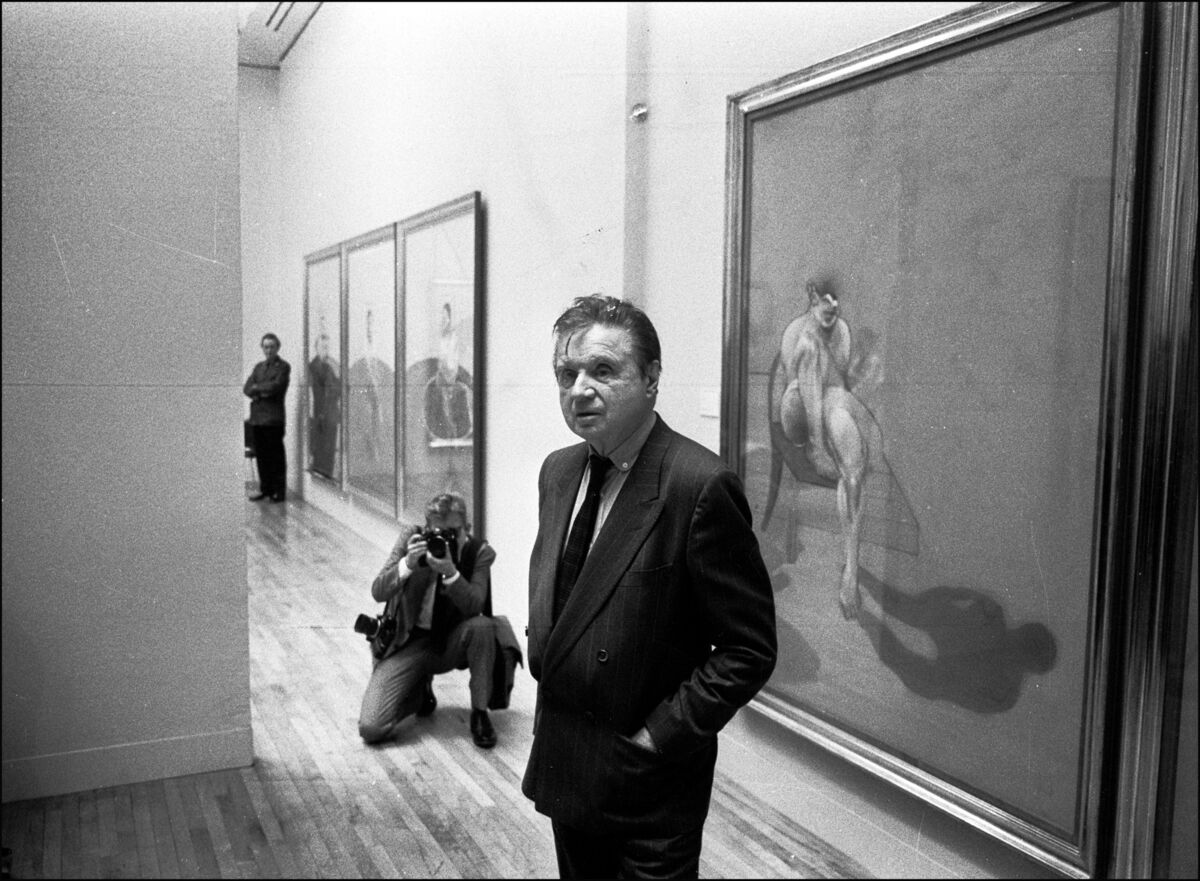
Around the year 2001, the Hugh Lane Gallery opened the Francis Bacon Studio. Some of the most famous Francis Bacon paintings from around the world were gathered together for the exhibit. I remember going into that exhibition and coming out of it afterwards feeling like I had been assaulted. I felt slightly nauseous. I knew I’d seen something incredible. It opened up something within me.
I didn't spend an awful lot of time in art galleries when I was a kid. I come from a working-class background. Now whenever I travel to a city, I will usually rock up to a modern art gallery, from Madrid to, say, Malmo where they have a small but lovely modern art gallery. The Tate Modern in London, for example. You find yourself having your head opened to everything and everybody. It becomes a gateway drug. I now end up doing day trips abroad just to see exhibitions.
I’d no sense when I first watched Paris, Texas who Wim Wenders was. I’ve since watched pretty much everything else that he's made. There's a great Ry Cooder soundtrack to it. The star of it, Harry Dean Stanton, is the patron saint of indie, low budget, leftfield films. The film nudged me into a way of feeling about certain types of movies.
I made a decision a very long time ago that I was going to screw up constantly because that's who I am. I spent most of my formative teenage years listening to Dave Fanning. Dave still has that wonderfully relaxed, ramshackle, chill way of presenting music radio. My presentation style over the years has always been fairly all over the shop and fairly relaxed and chilled. I don't think that it’s done me too much harm. When I’m talking to groups of kids who are students studying broadcasting, I tell them, “Be yourself. It’ll get you a long way.”
Michael Parkinson is one of the best interviewers. He said once it was his job to accentuate the person he was interviewing. It was never his job to insert himself into the conversation. If you ever watch Parkinson at his best, he nudges people. Frequently you see people on TV – or hear them on radio – and they want to make themselves half of the conversation. They almost attempt to overshadow the person they’re interviewing. People watching or listening are only interested in the person that you're interviewing. Parkinson did it beautifully.
Parkinson has a soft, gentle Yorkshire accent. I watched him a couple of times where he’d ask a question of someone. That person might not seem to be interested in answering it, and he almost raised an eyebrow at them. That was enough to nudge them along into giving a bit more information which then became something really interesting. If you ever looked at his posture when he sat on television, frequently he would have both of his own hands in his lap. He was almost trying to make himself look smaller, not commanding. It’s a brilliant thing to do because the interviewee is far more likely to open up and give you information if they think you're not threatening.
I’ve been a long-term listener to Mark Kermode and Simon Mayo’s film review podcast on BBC. They’ve got a spin-off podcast called Kermode & Mayo’s Take. It’s the one thing I will not miss every week. I pay cold, hard cash to subscribe to it. It’s mostly a film podcast, but it wavers off into all sorts of discussions around unusual music and strange cultural phenomena.