Culture That Made Me: Patrick McCabe picks Behan, Gigli and Peaky Blinders
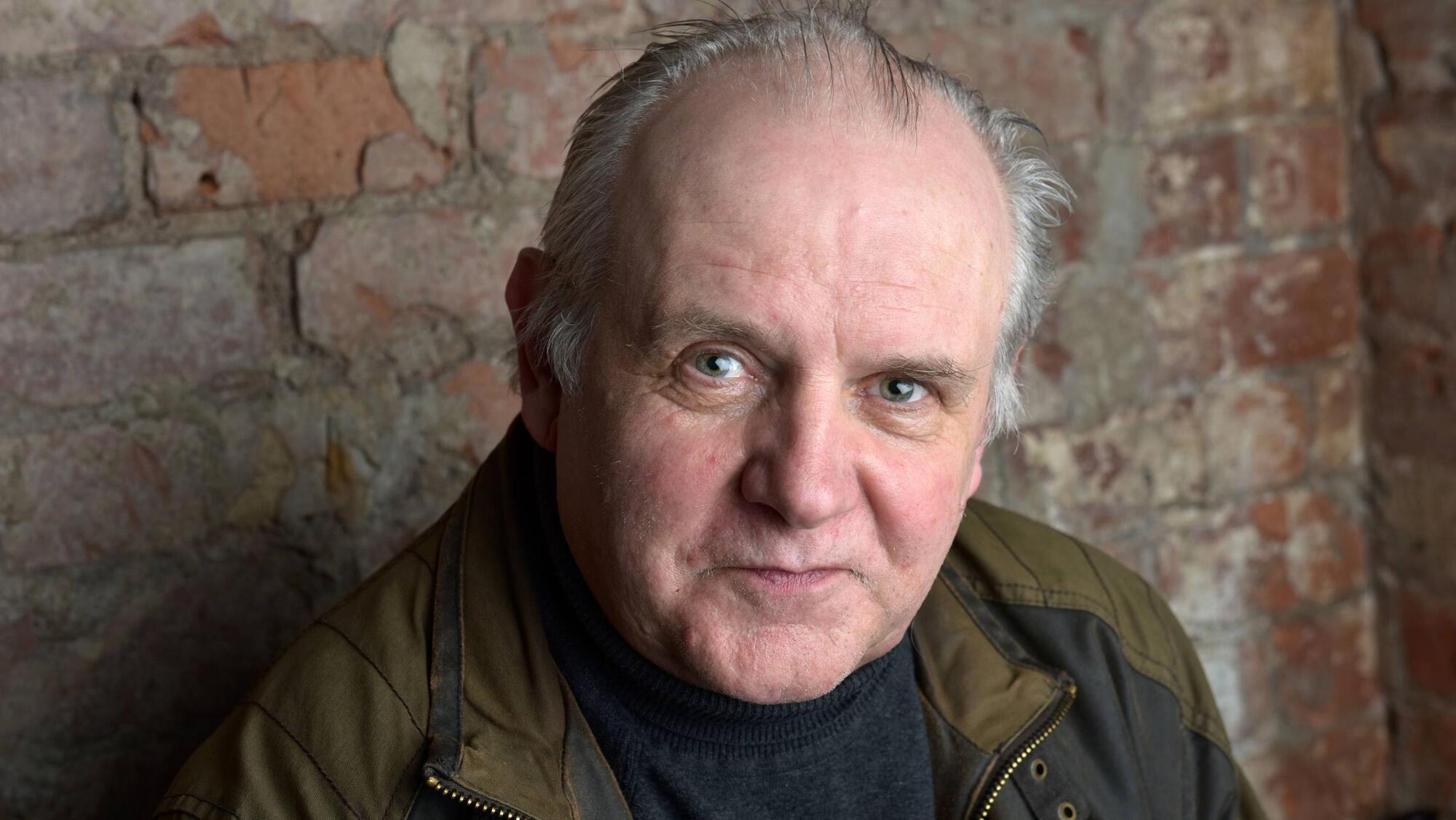
Patrick McCabe has just published his latest novel, Poguemahone.
Patrick McCabe, 67, grew up in Clones, Co Monaghan. In 1992, his novel The Butcher Boy, which was about the life and troubled times of Francie Brady, was published. It became an instant classic and was adapted into a film by Neil Jordan, as was his 1998 novel Breakfast on Pluto, which starred Cillian Murphy. For several years, McCabe was co-organiser with film director Kevin Allen of the Flat Lake Festival, an arts and literary festival near Clones. His new novel Poguemahone is published by Unbound.
Skinhead was part of a series of trash pulp English culture books written by what we thought was a young adolescent like ourselves called Joe Hawkins, who was a football-fan-cum-hippie-hater-cum racist dressed in Crombie, Ben Sherman shirt, Doc Martens living in East London. The books were part of a fascinating teen culture that is often forgotten. It was working class, violent gangs, thrashy prose that I found interesting. Having been that age myself, I was trying to figure out what would I write about. Could I go on writing about the world of John McGahern – magnificent though it was – or Frank O'Connor? They had done it, so why would I do it again? Society was changing.

Borstal Boy by Brendan Behan was the most formative book I read growing up. It’s a republican prison narrative, but it's also got a sexual sub-theme going on. A lot of books I read then came from an Ireland I didn’t recognise. The people I was surrounded by sang ballads. They didn't go home when they were told to go home. In fact, if they were told to go home, they might break up the pub.
People writing books didn't behave that way. They were the people telling us to go home, running scared of priests and nuns. A long, grave face seemed to be the order of the day. Ireland began its internationalisation with the Fleadh Cheoil explosions of the 1960s, which found its adolescence in the 1970s with the Get to the Point festival and Lisdoonvarna. Borstal Boy was an expression of that psychic rebellion.
I loved The Ginger Man by JP Donleavy. There was a dissident, outlandish quality to it, but it would probably seem quite tame now. I would have been reading it about 1972, and it seemed cheeky. Brendan Behan figured in it as a character. He was funny. It was bouncy and cheerful.
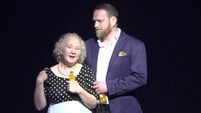
The greatest standout play in my time was The Gigli Concert by Tom Murphy. I saw the original version with Godfrey Quigley, Kate Flynn and Tom Hickey at the Abbey Theatre in 1983. Anybody who was there knew it – that something theatre had done in Greek times or Shakespearean times was happening there. It was spellbinding theatre. Everything that Tom Murphy has written is of interest to me. If you can only write one Gigli Concert in your life that’s OK.
I saw Arthur Miller’s The Crucible in the Old Vic with Richard Armitage a few years ago. It was a magnificent production. It’s a great play. I know it very well. It’s good political theatre. There’s not much of it around now. What is the truth? The big questions. Telling the truth. Does it matter whether you tell it or not? It has resonance these days in the era of fake news.

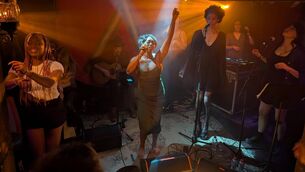
I couldn’t be bothered with the music of my youth. I’m not a nostalgist. I'm interested in Lisa O'Neill and all the people surrounding her like John Francis Flynn and Cormac Begley. There's a whole psychedelic folk movement – they’re like the sons and daughters of Planxty. They’re shifting Irish music into the stratosphere. Lisa O'Neill would be at the head of the pack. She sees the world in a way that only she knows. She communicates eternal truths. She makes no compromises. The minute you hear her, you know she's original.
Top of the list in streaming shows on TV would be Peaky Blinders. In the first 10 minutes of the series, a Chinese woman comes out in the middle of a heaving, industrial inner-city Birmingham. She blows a handful of powder into a horse’s face. Tommy Shelby is on top of the horse. And I thought this is going to be fantastic. Straightaway, they were setting a tone – this can be supernatural; this can be real. They used The Red, Red Hand by Nick Cave to introduce it. And, lo and behold, who closes it but Lisa O’Neill, singing a Bob Dylan song All the Tired Horses.
What’s great about Chinatown, Roman Polanski’s movie, is that he didn't know how it ended. When you look at the ending – and know that he didn't know until the very morning when he shot it – it ends like a noir opera. It’s the most devastating ending you're ever going to see. It’s a complicated plot, but it never overwhelms you. It's stylish. It looks beautiful. Jack Nicholson, who spent most of the movie walking around with half of his nose missing, gives the performance of his career. The central motif running through Chinatown is you might think you know what’s going on – like when you’re in Chinatown, you think you know where you are – but you don't know. What you’re actually doing is making things worse. So the more Jack Nicholson pokes around, the worse things get.
There’s a book by Sam Wasson called The Big Goodbye: Chinatown and the Last Years of Hollywood, which tells the story of how the film Chinatown was made. It was an incredibly torturous journey to the screen – the number of scripts they had; they replaced the soundtrack at the last minute. It’s a fascinating glimpse into the world of cinema.
I love documentaries. Anything by Adam Curtis like, say, The Mayfair Set. He can link all these seemingly disconnected things. They’re a conspiracy theorist’s dream. At the end of every Adam Curtis movie you think, Ah I’ve got it figured out. Give it 30 seconds and then someone asks you, “Well, what is it about?” And you say, “Ah, jeez, I don't know.” That's the problem. His vignettes are fascinating. I don’t know how mischievous he is being. He is one of the great documentarians.
There is one other documentary that I would put up there. It’s about a BBC sound recordist called Delia Derbyshire: The Myths and the Legendary Tapes. She did the original music for Doctor Who. She operated in the 1960s. During her time in the BBC Radiophonic Workshop, she was a trailblazer, a genius.