Canadian trio Wild Rivers: We feel like weird imposters trying to play Americana
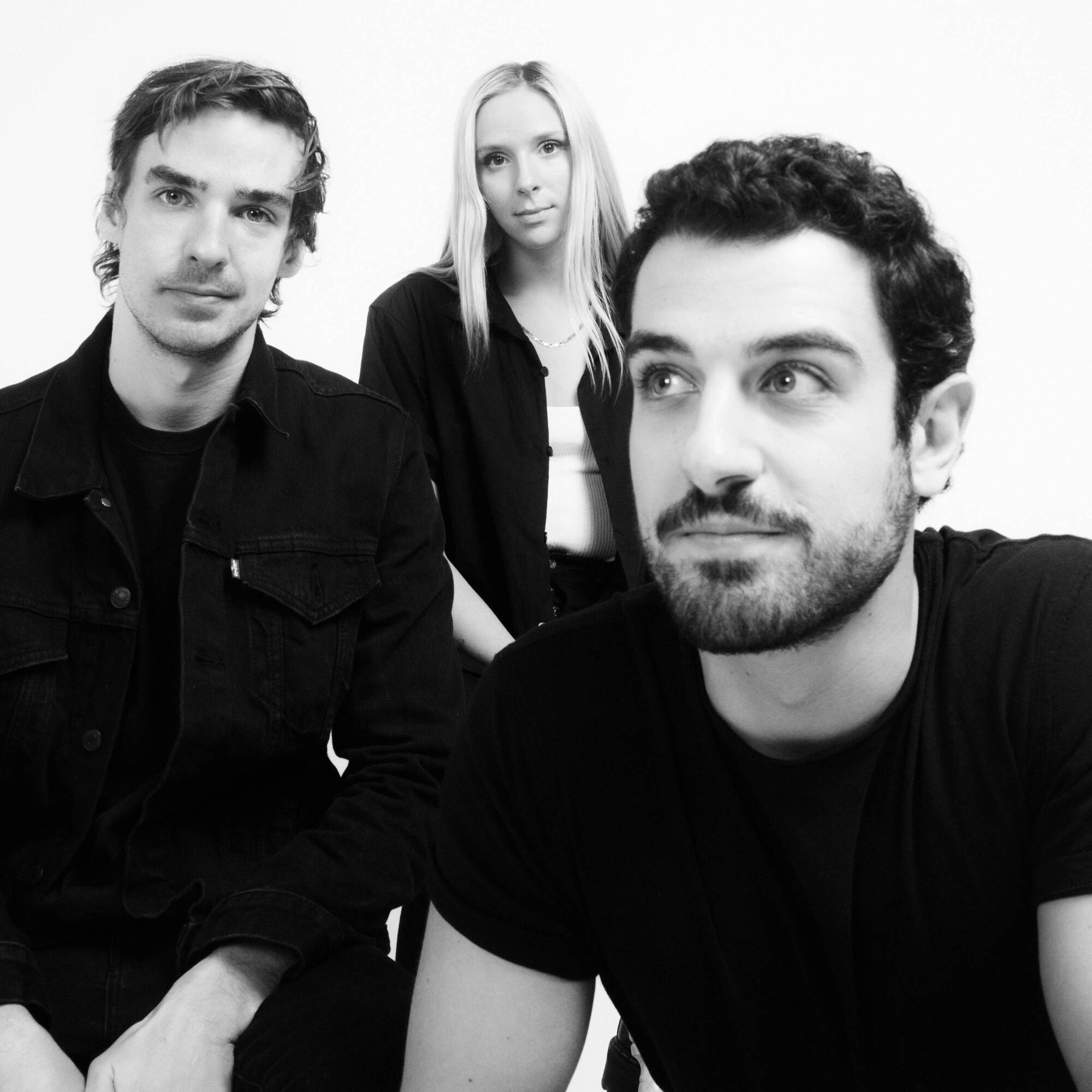
Wild River released their second album Sidelines on Nettwork earlier this year.
The question of whether streaming is the salvation or ruination of the music industry is pop’s latest unsolvable conundrum. And it is a subject which has played on the minds of Wild Rivers, the Canadian folk trio whose success has been fuelled to a large degree by their popularity on platforms such as Spotify. On one hand, streaming will never make them rich (Spotify royalty rates being notoriously pitiful). On the other, without Spotify would they have amassed a global following – including the Irish fanbase that will come out to see them when they tour here in May?
“It's complicated,” says front woman Devan Glover. “The structure of the subscription-based streaming services are hurting artists and hurting songwriters. And it’s terrible. At the same time, we are a band born out of the streaming age. We wouldn't have nearly as many fans, or be playing any shows in the US or Europe, if it wasn't for Spotify and Spotify-like algorithmic playlists. It is interesting because the potential for exposure is so great. At the same time, no musician can survive off the streaming royalties. It’s a double-edged sword.”
It may cut both ways. But, with 2.5 million monthly streams on Spotify alone, Wild Rivers are a band on the rise. And their momentum has come on in bounds since the release this year of second album, Sidelines on Nettwerk, an indie label specialising in non-traditional modes of distribution (in 2006, Nettwerk offered to pay the legal fees of a teenager prosecuted for illegally downloading music).
Sidelines is one of those great crossover records that has a foot in two genres – in this case rock and folk – without ever sounding as if it is trying to tick multiple boxes at once. Powered by Glover’s emotive voice and co-songwriter Khalid Yassein’s expressive guitar, tracks such as More Or Less and Stubborn Heart twinkle with a breezy, mainstream appeal. One label they reject, however, is “Americana”, which its implication they are following in the tradition of Johnny Cash or Emmylou Harris. There is some of that in their work. It is by no means the entire picture.
“When people hear an acoustic guitar, of course they typically categorise it [as Americana],” says Glover. “We would push back against those labels: when you hear a real Americana band it’s like much more [full on] – with banjos and what have you. We feel like weird imposters trying to play Americana. At the same time, we don't fit into pop or folk or rock. We don't have one specific label but love [combining] elements from all genres and letting people decide what we are.” Glover and Yassein are empathic collaborators. So it is surprising to learn they were strangers before they began playing music together, initially as a two-piece, playing around Toronto, where they were attending college. Introduced by mutual acquaintances, their friendship is rooted in their shared ambitions for Wild Rivers.
“We started out as a duo called Devan and Khalid, playing covers mostly. We love music and love singing together. We love harmony. And we wanted to put on shows for our friends. So that's kind of how it began. Over time, we started building more of a following at university. People would come to see us every week and we were like, ‘oh, okay, people like this – we must be doing something right’. Let's try put out our own music. We always had dreams to do that. It took having that community to give us the confidence to pursue it as a career.”
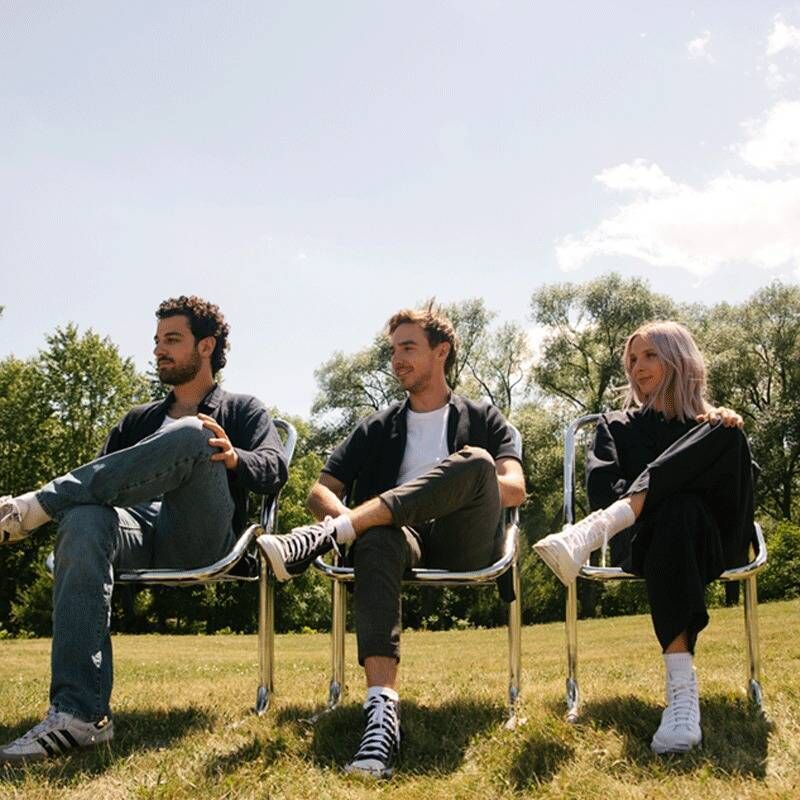
Wild Rivers come to Ireland just as the music industry is getting back into its stride following Covid. And if we have learned anything in the past several years it is that every artist has a lockdown record in them. Yet though Sidelines feels steeped in the melancholy of the great hush of 2020 and 2021, much of the LP was actually written pre-Covid. Only in hindsight did lyrics such as “Rolling down the window of the driver's seat/Looking for a place to breathe” take on a new meaning.
“A lot of people think it is about [the pandemic]. Which is interesting. It definitely wasn't our intention,” says Glover. “It's cool to see how it's translated into today's day and age. I think it's nice that these themes [of isolation and angst] aren't unique to us. It’s cool how people apply them to their own situations. And that’s all we want: for people to be able to adapt the lyrics to their own narratives and find comfort in them.” Culturally overshadowed by a much bigger neighbour, there are obvious parallels between the music scenes in Canada in in Ireland. And if perfectly feasible to stay in your lane and have a good career, breaking out of Canada can be more challenging, says Glover.
“The Canadian music industry is very insular. But that’s because it’s so supportive of Canadian artists. There’s a lot of government funding and initiatives that helped us get off the ground. You have to make it a priority to actively be touring in other places and trying to make a name for yourself elsewhere. Otherwise, it is easy to kind of be just a Canadian band. We love the Canadian music industry, but always wanted to be able to tour internationally. Since day one we’ve been like, ‘okay we’re going to tour the US a couple of times a year’. We’re finally coming to Europe, which we always wanted to do. It’s always been a priority to make sure we’re spreading our wings.”