Culture That Made Me: Dr Ciara Kelly reveals some of her touchstone influences
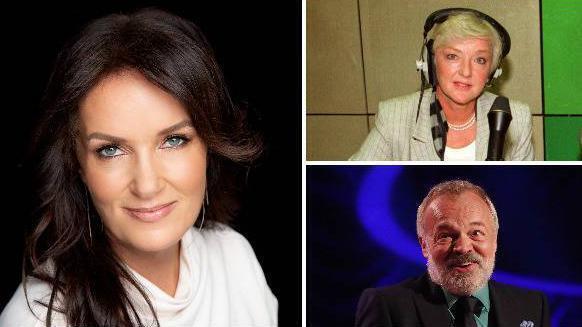
Dr Ciara Kelly.
Ciara Kelly, 50, grew up in Greystones, Co Wicklow. She spent five seasons as the resident doctor on RTÉ’s television show Operation Transformation. In 2017, she “retired” as a doctor to work full-time as a broadcaster. She co-presents Newstalk’s weekday morning radio show.
In my late teens, I read John Irving’s book A Prayer for Owen Meany. I was utterly shattered by it. I love when you get so invested in a book’s characters that when something happens to them you're genuinely devastated. I didn't see [the key incident] coming at all in the book. It blindsided me. It was the kind of book I read late into the night – that era when you’re living at home, in a small bedroom in a single bed. You're moving away from your parents, not in a bad way, but you're becoming a young adult and you're finding what you like.
In my twenties, I read A Fine Balance by Rohinton Mistry. It’s still an all-time favourite. It's a historical piece set in India. It looks at the caste system. It’s about people whose lives are thrown together. They become a de facto family. Their lives are very inter-interwoven and “woven” is a good word because a couple of them are tailors. It’s about the unfairness of life. What I took from the book’s title is that we all walk a fine line and it’s very easy for any of us to fall through the cracks. It’s a present to yourself that book. If you’re reading it in public be prepared to cry in public.
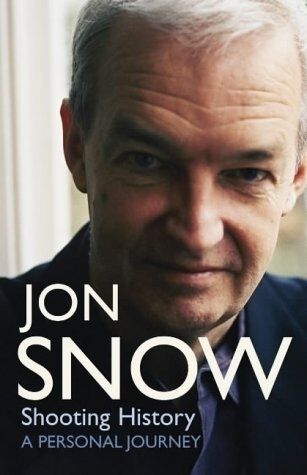
Shooting History is a memoir by Jon Snow, the Channel 4 news anchor and war correspondent. I enjoyed marching through modern history with him. A lot of stories he tells I remember from my childhood – the Cold War, the Iran-Iraq War. He has great sweeping analysis. I like when someone can tie things together for a simple soul like me. He draws a direct line from, say, the Vatican and the changes that were brought in by John Paul II, the Polish pope, and the fall of the Berlin Wall. His presence on the world stage as the head of the Catholic Church undermined communism in Eastern Bloc countries. He's also had a very exciting life. Like Forrest Gump, no matter what was happening in the world with Ronald Reagan, Margaret Thatcher or Idi Amin, he was there as a witness to it.
The best TV presenter at the moment is probably Graham Norton. He's brilliant. He has that wonderful manner and light touch like Terry Wogan. He’s affable and can put people at ease and therefore he gets “good” from his guests. I've never liked presenters who are more snarky or snide, who try and show people up or who try and have a one-upmanship. I’d put Graham Norton way ahead of the likes of Michael Parkinson. Graham has a way of getting the person to be themselves. He gets the nice side to his guests because they don't fear being ambushed.
Someone who was a mentor to me – who gave me good advice – was Marian Finucane. She had it all. It is not easy to do light and shade on radio, as in to do the serious hard-hitting interview with a minister or the person in the firing line for something, but then also to do the nice, more human-interest stuff or funny stuff. There are very few broadcasters who can do both well. Marian could do both and remain likable as well as very clever. Also Marian came up through the ranks of RTÉ in an era when women were treated differently in Irish society. In a gentle way, she established herself as one of the foremost broadcasters in a country that was not a warm place towards women. It was a bit of a cold house at times. Marian was a trailblazer.
Gerry Ryan was bit of a maverick. He liked to push the boundaries. He had a warmth. But he also had flaws, which made him vulnerable and it made him real. He was all of us. He wasn't perfect. He wasn't slick. You felt you knew Gerry Ryan, whether you knew him or not, and that is an amazing thing in a broadcaster. He was a suck-the-marrow-from-the-bone guy. He was irreverent. Occasionally, you come across people in the media who have done really well for themselves and are very lucky, but they don't know it. Gerry Ryan knew that he was doing well and that he was riding high and that life was a ball. There was a joie de vivre about him. I like that in a person.
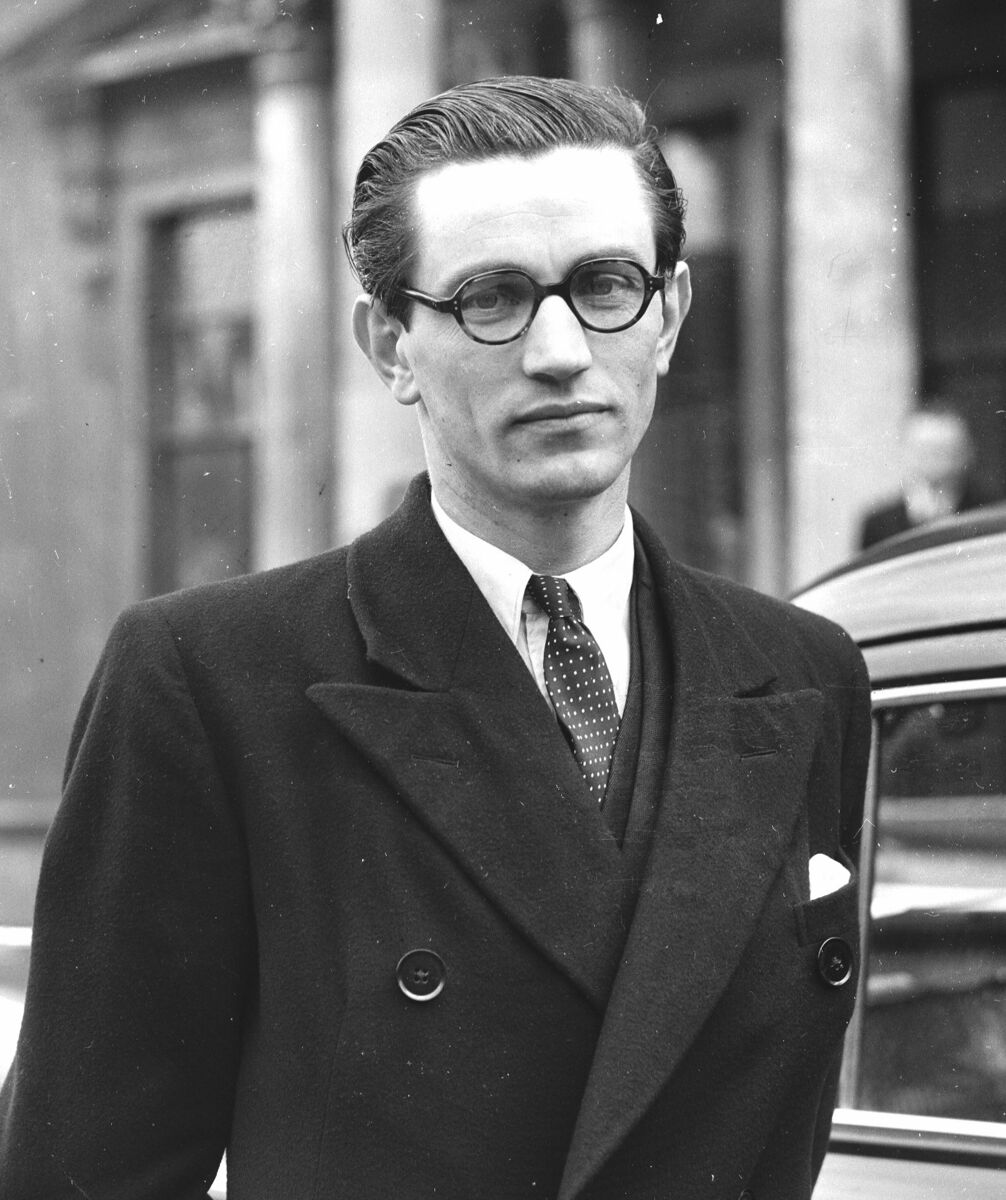
Dr Noel Browne was an amazing man. He was a liberaliser. He was trying – despite everyone around him not wanting him to – to stand down the church, to bring in support for women and children, and healthcare support for the poor. Bear in mind he was a minister during the era of Archbishop John Charles McQuaid, an old-school Catholic who oversaw a weird version of Catholicism, a mix of Victorian prudishness and Catholic shame and guilt. We had a perfect storm of repression and McQuaid was the champion of it. Noel Browne was standing that down. He was also a contrarian. It takes a lot to swim “against the tide,” which was the title of his memoirs. He was a renegade who challenged the orthodoxy of the day. A fascinating guy.
I love Vogue Williams and Joanne McNally’s podcast where they talk about relationships and mess-ups, basically, in their lives and other people's lives. They're so funny and joyful. It's a very carefree and good craic listen. It would put you in good form. I love Joanne McNally. She's sound, cool, funny, extremely talented. She’s one to watch.
I trained as a doctor and was in a clinical practice for 20 years. It was a big part of my life. There was a small bit of an existential crisis leaving it because I did wonder who would I be if I wasn't Dr Ciara Kelly anymore. I wasn’t sure what was left. The role and me were so intertwined. A doctor becomes part of who you are. It’s part of your identity in two ways – one is how other people see you. People think about you in a certain way. It also informs your identity in terms of how you see yourself.