From Kerry to Cork: The Dance captures the magic of Michael Keegan-Dolan
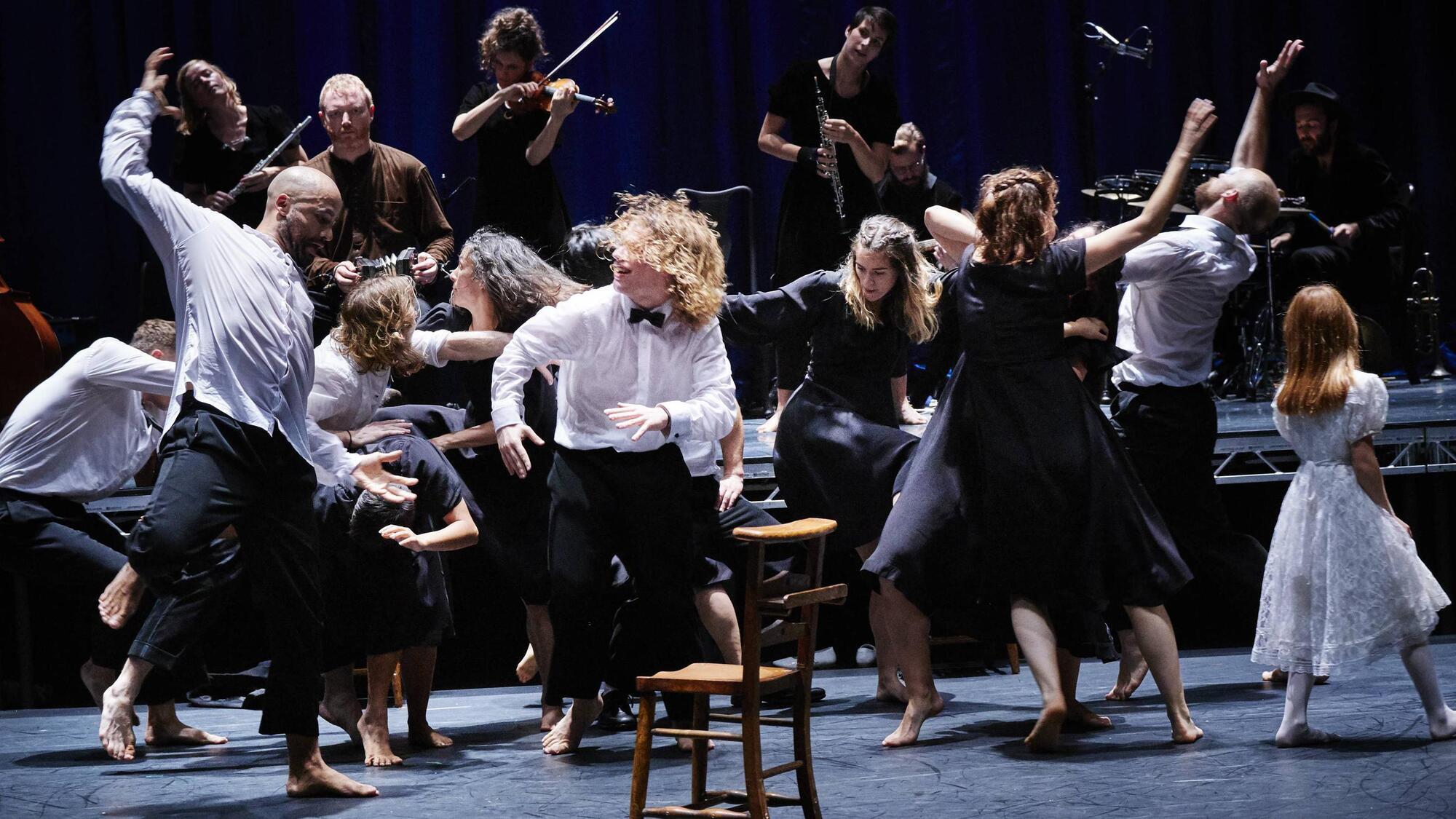
A scene from The Dance, about Michael Keegan-Dolan's show, Mám, at Cork International Film Festival.
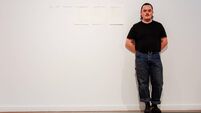
It is a clear and bright autumn morning after a stormy night when Michael Keegan-Dolan speaks down the phone from the Dingle peninsula in Kerry, a place the choreographer has called home for the past few years. “It can be beautiful and it can be really savage as well. I’m not complaining, I am up for both,” he laughs.
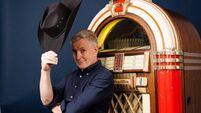
Beautiful and savage would be an apt description of Keegan-Dolan’s acclaimed dance piece Mám, which is steeped in the landscape and lore of west Kerry, where it came together over a two-month period. It is a process beautifully captured by Cork filmmaker Pat Collins in The Dance, which is the Documentary Gala selection at this year’s Cork International Film Festival.
The film follows the creation and rehearsal of Mám — meaning mountain pass, obligation, handful or yoke — in Halla na Feothanaí in the Gaeltacht area of Corca Dhuibhne. The production features 12 dancers, virtuoso Irish concertina player Cormac Begley and the contemporary classical music collective stargaze.
Anyone who has seen Loch na hEala, Keegan-Dolan’s sublime reimagining of Swan Lake, will know how his work packs a huge emotional punch. The experience of creating Loch na hEala was one of the reasons he decided to make The Dance with Collins.
“We had made Swan Lake in Longford, before I moved to Kerry, and that process was extraordinary. It was a really amazing experience and memory and I was probably thinking at one point, ‘oh God, wouldn’t it have been brilliant if somebody had caught that’, because it is so ephemeral. It is kind of gone forever, which is also part of the beauty.”
For Keegan-Dolan, a native Dubliner who previously lived in Longford, sense of place is a vital component in his work. In 2016, he founded Teaċ Daṁsa (House of Dance) to create dance and theatre work that reflects the place from which it originates.
“The place you make the work in brings everything to it. In the case of Mám, people are coming in to rehearsal in the mornings and they are already transformed by the experience of being by the Atlantic Ocean. Then you have Cormac Begley and his father [Brendan] come in and they start playing, and things just start happening.
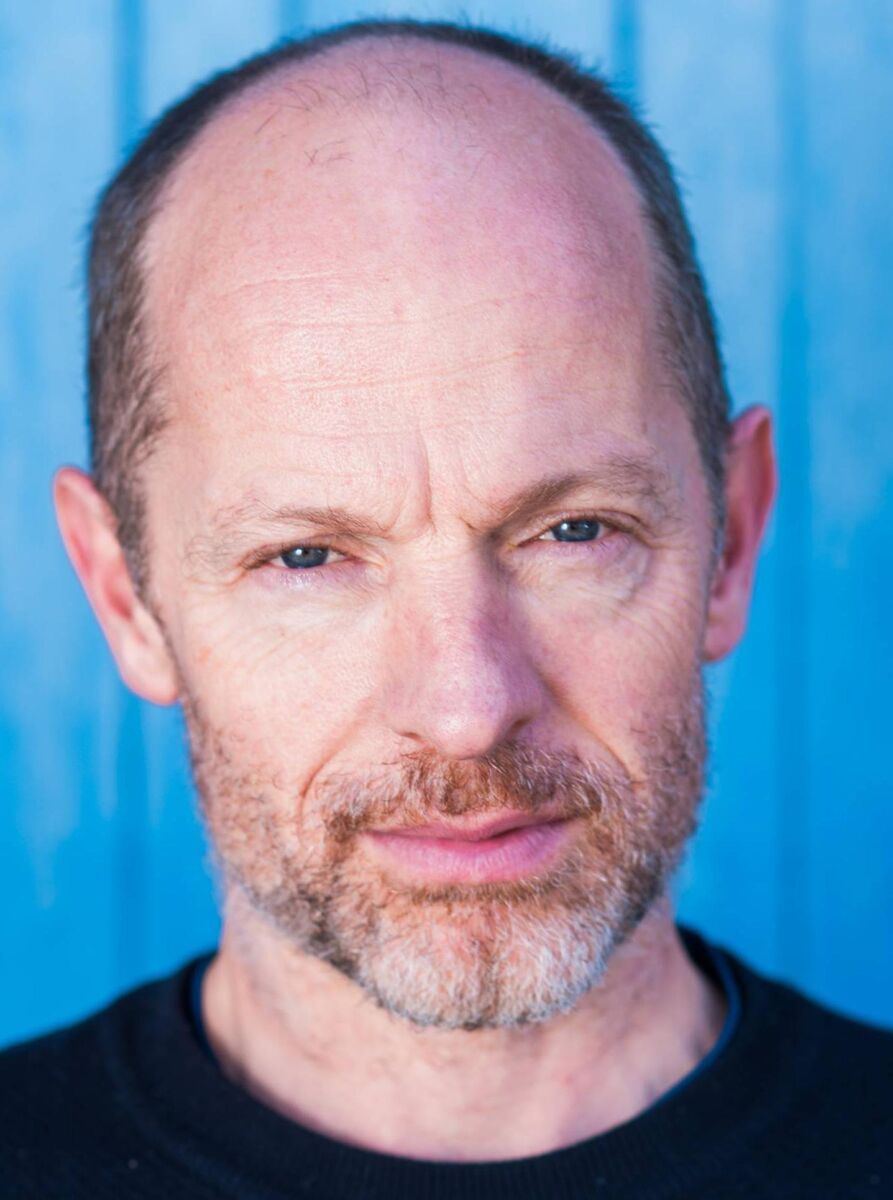
"You could make ten pieces that are all five hours long from what was happening in those eight weeks. The challenge with Dingle in particular is that it is such a powerful place, oddly, it can be hard to get focused. It is such a place of movement…at times there was a wild energy.”
Part of what makes The Dance such a fascinating watch is observing Keegan-Dolan navigate this energy in tandem with the performers. It is a respectful and collaborative journey, joyful, creative, complicated, and also emotionally and physically challenging. This approach is rooted in his early experiences working in more traditional dance and theatrical forms.
“I trained as a ballet dancer and I went looking for a place I could call home as an artist and I could never find it. I used to observe power infrastructures a lot in the arts world because I also worked a lot in opera and with theatre directors. I would see this kind of hierarchy where there was a very narrow window for people to operate creatively. I could never fully understand it — this depiction of a choreographer being the boss, and dancers doing what they’re told, the whole narrative of the sacrifice of the dancer in the fire of the choreographic genius.
"I began to think part of it was when you bring a lot of creative people into the room to dance, a lot of things start to come up and if you only have four weeks to make a piece of work and you want to get a good review in The Guardian, you probably don’t want to be dealing with all that stuff, so you have to create a structure where you are not allowed to really unfold. So I began to look at what was not being said and what was not being shared in these more conservative, structured, repressed states — that was the work.”
It has been a difficult but rewarding path, says Keegan-Dolan. “When you have the time and skill to work in this way, what you end up with are artists who start to function at a much more sophisticated level. The work gets so much better — they start to dance in ways that maybe they haven’t danced since they were eight years old. The way I work in the documentary, it has taken a long time. You make loads of mistakes, you upset people, you get upset and you get really bad reviews, people say you’re mad and your work is shit but something in you keeps going, and in the end you have a way to do it.”
One of the more poignant aspects of The Dance is watching the tactility of the performers in rehearsal — they touch, hug and kiss each other with abandon in pre-Covid times. For Keegan-Dolan, the pandemic is something he is still processing.
“When Covid hit, I was in London. I had just come back from touring with Mám and I was doing a show in London and it was just about to open. Cheltenham was happening and I got a really bad feeling in my stomach and I went home. It was a shock. On the other hand, I was really tired. I loved the chance to just be in Corca Dhuibhne for a year and see the four seasons unfold because my life had been very itinerant.
"There were many ups and downs and we are not out of it yet. We are due to perform Mám in Madrid in December. This morning I was lying in bed thinking about the kissing scene, the wind machines and all that, and are we really going to be able to do that? I don’t think any of us will know what it meant for another while.”
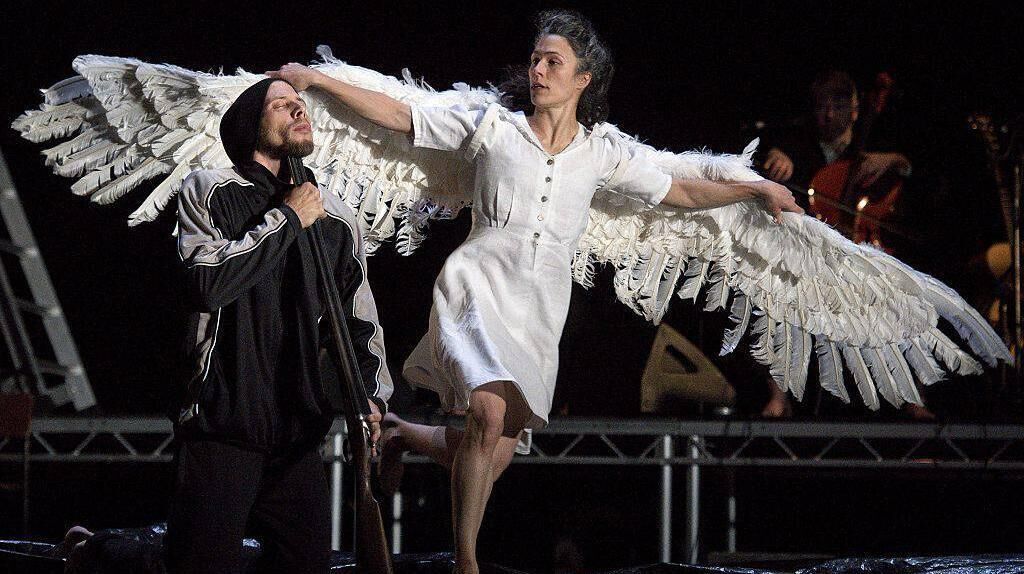
An Irish tour of Mám is planned but Keegan-Dolan has yet to nail down the details.
“The only thing stopping me hitting the green button is the uncertainty around the virus and just trying to make a decision around should we go for it in the spring or wait until the autumn. I would love to tour Swan Lake more as well. The whole touring issue has shifted now because we also have the climate crisis, so we have to consider it through a very different lens.”
Ultimately, he would also like to establish a centre for dancers in west Kerry, and there are tentative plans to lease a derelict factory for the purpose.
“The idea is to have a real Teac Damhsa, where touring is less significant, a place where people could come, and be near the ocean and the mountains. It would be mainly for dancers, because they have a hard enough life. You can have very gifted dancers who don’t necessarily fit the conventional norms of being in a company, and who become nomadic and very good at living with very little. I have such respect for them, so I thought I could try and lease a building in west Kerry and make it into a place where I could make work and people could come and just recuperate and become inspired again. That is kind of the plan for the next few years, Covid and all allowing.”
- The Dance screens at The Everyman Theatre, Cork, at 8.30pm on Thurs, Nov 11. Cork International Film Festival runs November 5-21. www.corkfilmfest.org