Cork Jazz Festival review: Kit Downes offered a pleasing mix of jazz and classical
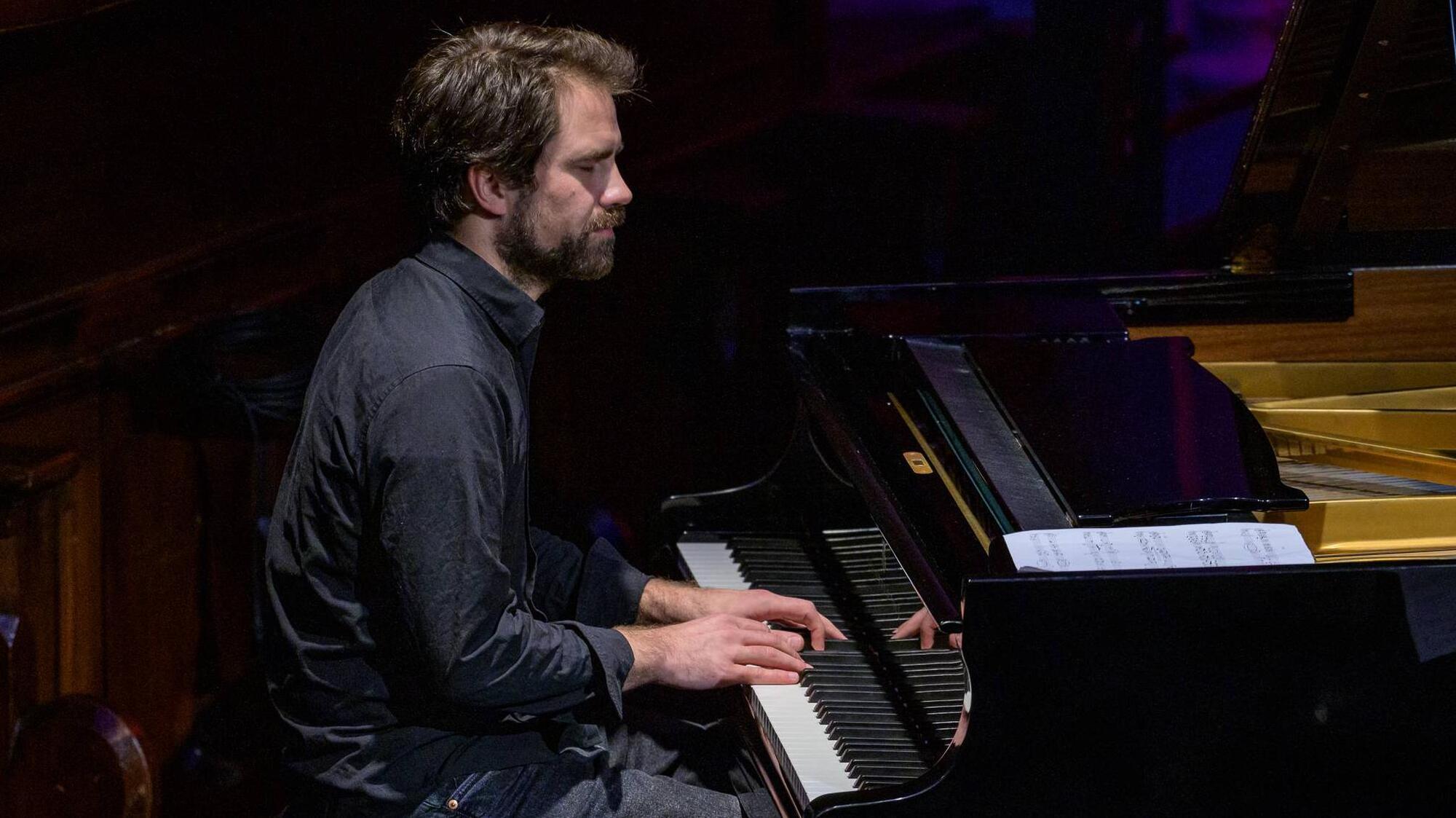
Kit Downes at Triskel Christchurch for the Guinness Cork Jazz Festival. Picture: John Cronin
Jazz and classical music have long been intimate if sometimes uneasy bedfellows. From the 1920s onwards, during which stride piano innovator James P Johnson also wrote symphonies and concertos and pianist and popular songwriter George Gershwin composed the revolutionary jazz-influenced Rhapsody in Blue, there have been countless examples of jazz musicians being drawn to the beauty of formal notation and extended structure, and contemporary classical composers integrating such inexact elements as blues, swing and improvisation.
Yet for some the fusion has proved problematic. Blending the two genres may be intriguing, even illuminating, but too often, it’s been argued, something is compromised, diluted or lost.
Into this sometimes complex matrix on Sunday evening stepped 35-year-old English pianist, organist and composer Kit Downes, who was playing a sold-out show at Triskel Christchurch as part of a short Irish tour that coincided with the Guinness Cork Jazz Festival.
A multifaceted musician equally at home in a wide variety of forms, Downes presented music from his album Dreamlife of Debris, released on the estimable German label ECM in 2019.
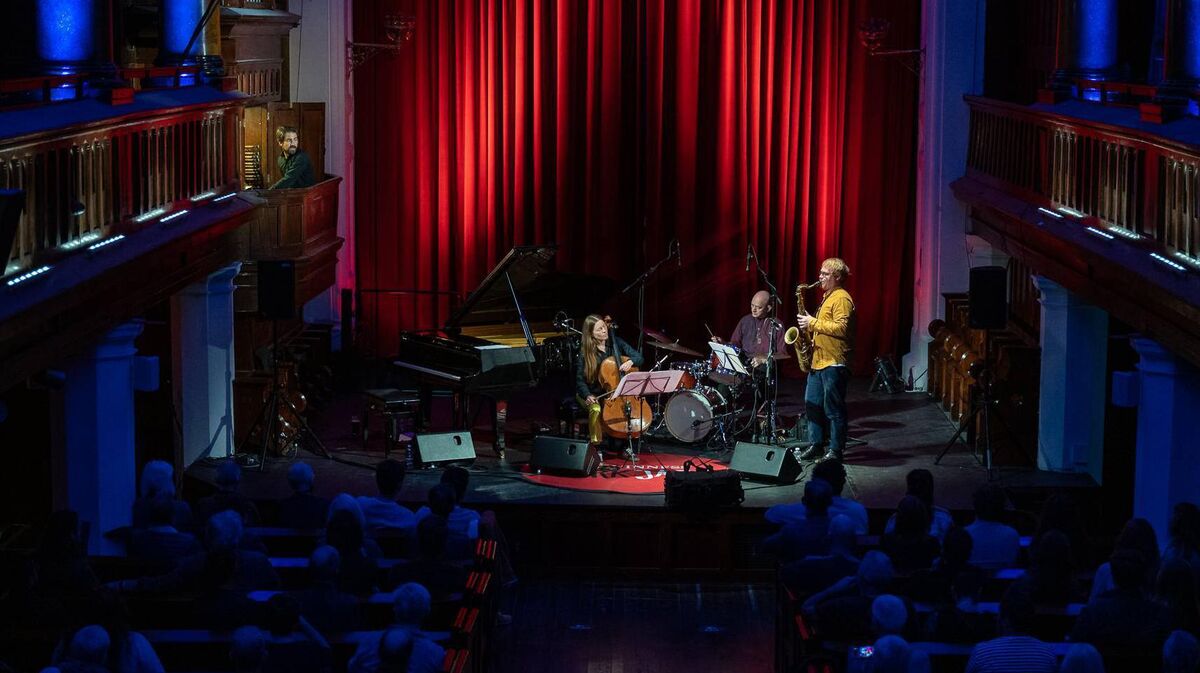
Played by an exceptional quartet of Lucy Railton on cello, Tom Challenger on tenor saxophone and Seb Rochford on drums, the composition and its path through the bumpy borderlands between jazz and classical was perhaps helped by the fact that the music is inspired by a work that is equally indistinct and interbred: German author WG Sebald’s novel The Rings of Saturn, an exploratory work that is part memoir, travelogue, history and meditation. By the time you’ve finished the book, you are not entirely sure what it is and how the writer has achieved it.
If Downes was aiming for the same kind of pleasingly perplexing result, then he and his group more than succeeded. The music moved from leaping abstract melodies to chamber ensemble harmonies, delicate solo interludes to raucous free group improvisation.
Downes also scurried off stage to climb up to Triskel’s pipe organ to produce evocative sounds that ranged from high chirruping bird calls to dark and disturbing swirls and crashes.
“Everyone still OK?” asked Downes halfway through the 70-minute concert, as if in recognition of the challenges his music might present. Looking around, I’m not sure everyone was. But for those who were prepared to overlook categories and let in the best of both worlds, this was a singular performance from one of modern music’s most naturally gifted and wholly fascinating young stars.