Book review: Warts and all look at 1913 Ireland in all its grandeur and failures
Richard Arnold Bermann shines a powerful light into the dark recesses of Irish life of this period
Book review: Warts and all look at 1913 Ireland in all its grandeur and failures

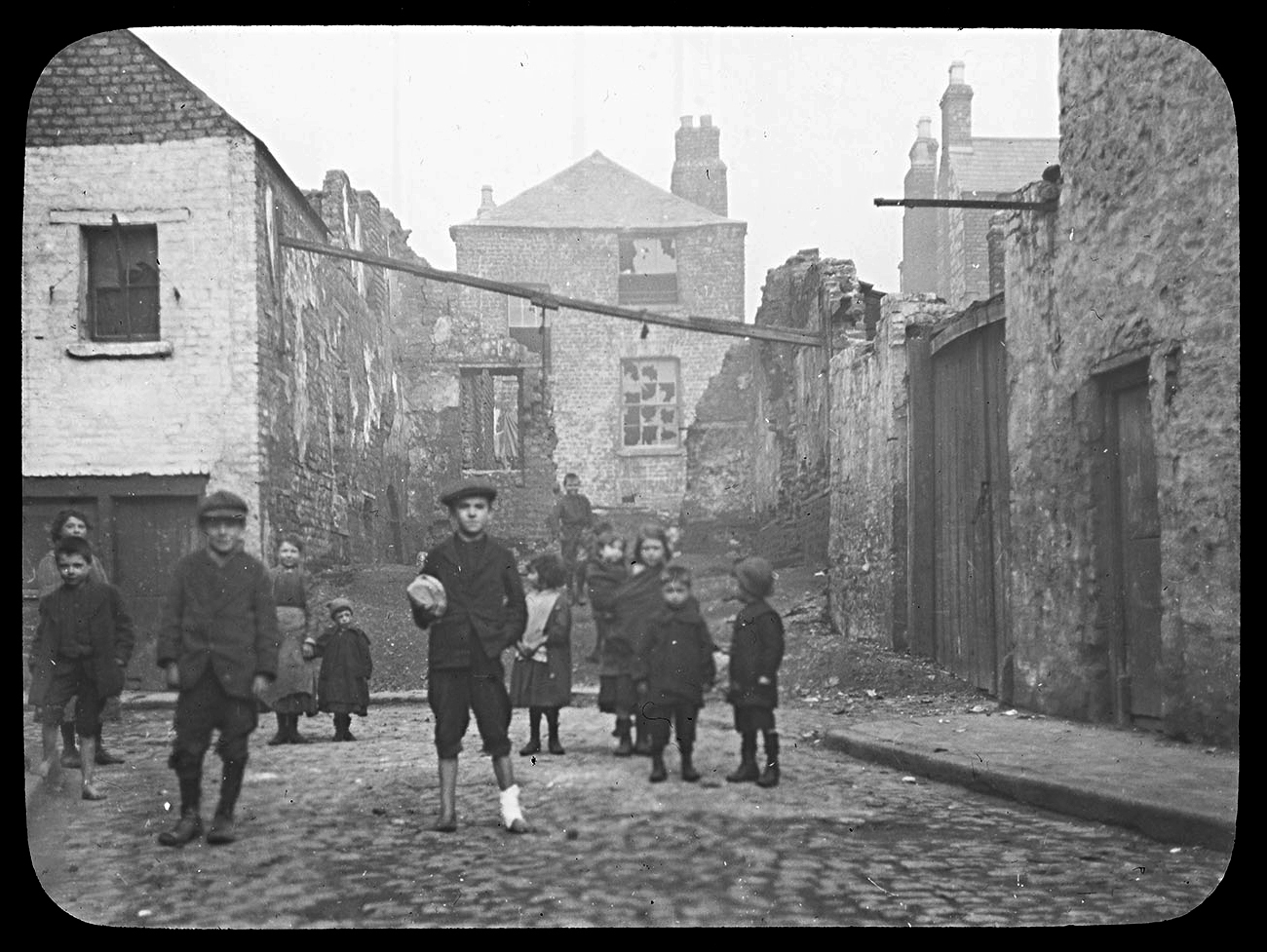
Not even Naples has “such an impoverished, miserable district” as Dublin city centre in 1913.

HOME-GROWN analyses of our appeal to overseas visitors tend to be of the rose-tinted variety: The amazing Cliffs of Moher, the fabulous Ring of Kerry or the misty grandeur of Newgrange. It takes an outside view to throw some cold water on that view. And in the case of the Austrian Arnold Bermann, some acid.

Bermann was a feted journalist who toured the country at a time of monumental change in Europe. He had written extensively of his global travels before he arrived to the Emerald Isle. This is a warts and all look at Ireland in all its grandeur and all its failures. John Hinde it ain’t, though he does employ the same snapshot take on a variety of places. He includes several satiric pieces worthy of Flann O’Brien.


He arrives in Cork via the Great Western Railway’s Irish express from Fishguard on the Inniscarra ferry. The natives ‘speak bad English’. He is unimpressed by a hotel in Patrick Street but is awed by St Fin Barre’s Cathedral. Onwards to Macroom which is described as “a dump of a town”.

The acid is occasionally diluted as when en route to Glengarriff he observes ‘wonderfully opulent flowers’. It doesn’t last and before long he is depressed again at tourists ‘faffing around Gougane Barra’.

He is uplifted again in concluding about the Co Cork village that ‘those who come here find it very hard to leave’.

You are left wondering if Bermann’s descriptions are truly accurate. Was it really like this in 1913? He forces us to ask questions of ourselves, and contemporaneously too, that what we may think is excellent is in fact sub-standard.

On leaving Glengarriff he espies some poor dwellings and opines that ‘the tourist industry should clear away these dreadful huts’. Tongue firmly in cheek or dipped in vitriol?

In Ireland, Bermann writes, dirt does not just mean poverty, it means slavery. He makes a cursory tangent into what to Irish readers is the predominant source for much of the prevailing conditions: Colonialism.

Ireland [1913] by Richard Arnold Bermann

So the venom isn’t just reserved for us. On the colonialism of our former rulers he has this to say: “This is England’s speciality in world history: the strong lacquer of humanitarian and religious hypocrisy that so cleanly coats the weapons of these magnificent and admirable thieves.”

In 1913 Home Rule was edging closer for the country, though it was to be sidelined by the First World War. Bermann assesses our chances cold-bloodedly. “The English are about to release one of their victims” and as as a consequence the country will remain very English for evermore, he argues. With its incessant diet of EastEnders, Tescos, and Manchester United, maybe Bermann was right.

His Co Kerry section leads to a penetrating aside on social conditions He observes that in Ireland it is perfectly accepted and legal that the entire country is in the possession of a handful of English lords. “The room [Ireland] in their mansion [the Empire] is only just being cleaned up and it still looks a bit messy and wild.”

After his southwest excursion he turns northwards through Limerick, the Midlands and on to Dublin. In Limerick he finds “historical streets hang around, bored to death”. Upriver at Banagher he absolutely lets rip: “This complete shit-hole where the pigs run about the main street looking exceedingly depressed”. This is counterpointed by the ‘gemutlichkeit’ [genial] welcome he receives from a munificent landlady.

Dublin is a strange mix of “Ballygobackwards and Paris, and is not the capital of Ireland: London is”, as rule is administered from there, goes the argument. Not even Naples has “such an impoverished, miserable district” as Dublin city centre.

Bermann shines a powerful light into the dark recesses of Irish life of this period. Its direction isn’t always accurate but its clarity is. Modern readers can learn that while this type of travelogue can be wildly wide of the mark it can also spell out a few home truths.

Ireland [1913] by Richard Arnold Bermann

Cork University Press, €29

x

More in this section

Scene & Heard

Newsletter

Music, film art, culture, books and more from Munster and beyond.......curated weekly by the Irish Examiner Arts Editor.

Cookie Policy Privacy Policy Brand Safety FAQ Help Contact Us Terms and Conditions

© Examiner Echo Group Limited