The North Water review: Colin Farrell shines bright in dark tale of whaling era
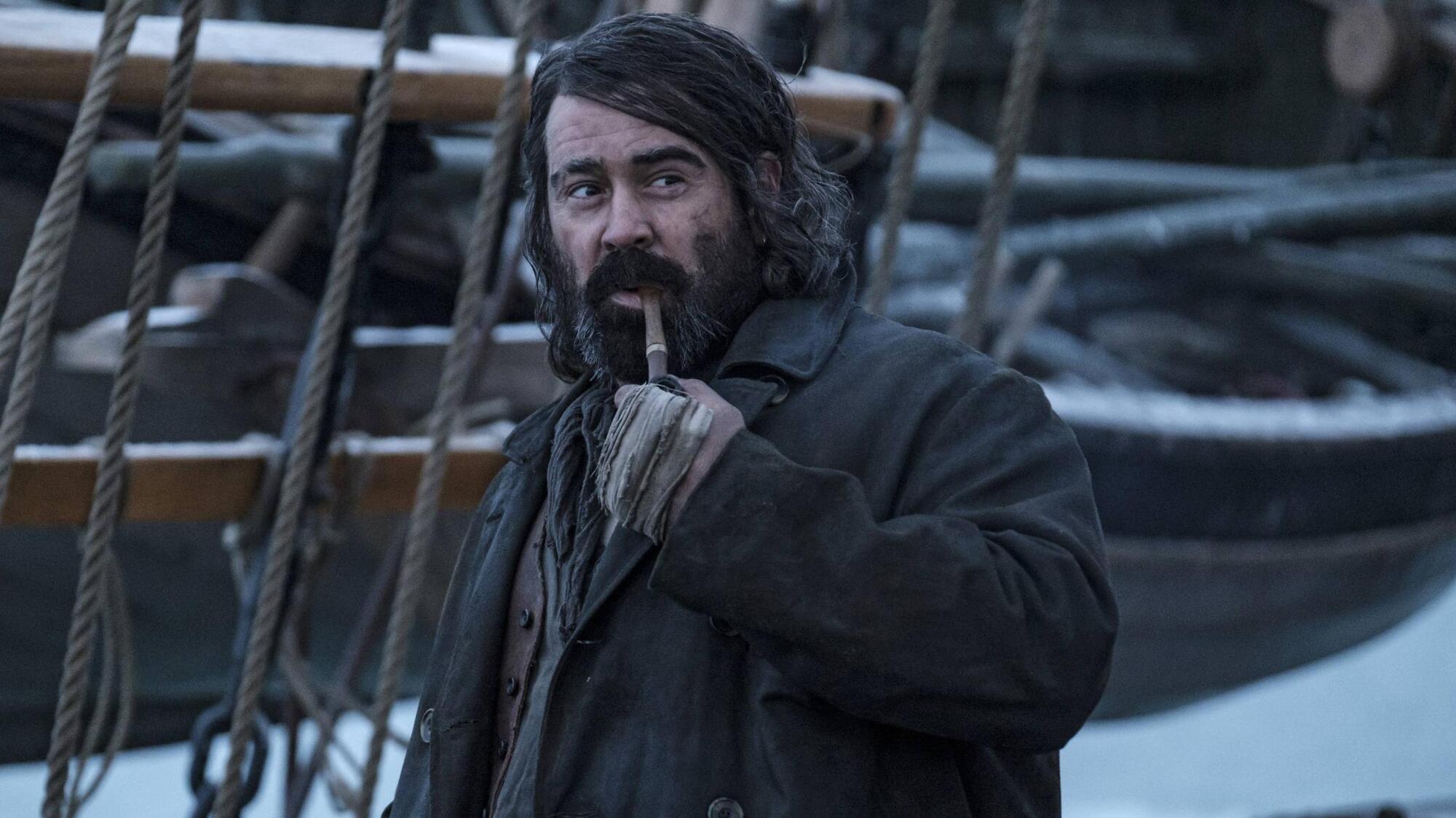
Colin Farrell in The North Water on BBC One. Picture: Nick Wall
What have they done to our lovely boy? Colin Farrell, one of the most gorgeous Gaels to ever grace the screen. And yet, look what the BBC have transformed him in The North Water. Sullen and swollen and malevolent. Looking like the bullyboy spawn of an evil Hagrid.
The 45-year-old plays Henry Drax, a renowned harpooner aboard a 19th-century English whaling ship heading to the Arctic. In a later episode we'll see him enraptured as he's showered in cetacean blood while plunging his lethal tool home. For now, though, it's all about the introductions, and the adaptation of Ian McGuire's novel wastes no time in putting a 'Big Bad Man' sign over Drax.
So far, Farrell looks the best thing in the five-part series. The unpleasant character also continues the Dubliner's pursuit of interesting roles in such films as The Lobster, and whets our appetite for his turn next year as Penguin in The Batman.
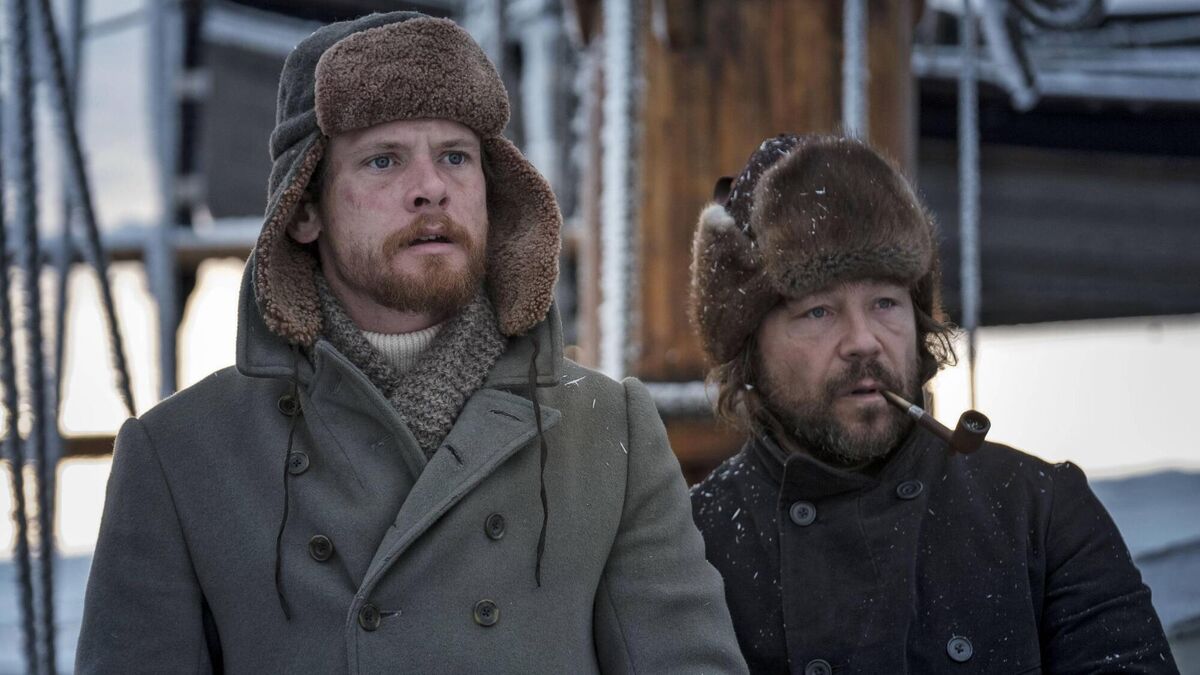
Another of the ship's inhabitants is Patrick Sumner [Jack O'Connell], a gentleman doctor from Co Mayo, albeit with an English accent. Ostensibly a decent skin, flashbacks to his time in India suggest he too has a few skeletons in his cupboard. Perhaps even a widow's curse to overcome.
Untypically for a show like this, these men don't start out as civilised types who are driven to the dark side by their struggles in the frozen wastes. Before a sail is even hoisted in Hull, it's clear they've already had quite a past.
Cue more tough times ahead as, not only do they have to deal with each other's foibles and the uber-hostile environment, but the ship's captain [Stephen Graham] also seems to be part of some sort of dodgy insurance scam. It really is grim up north.
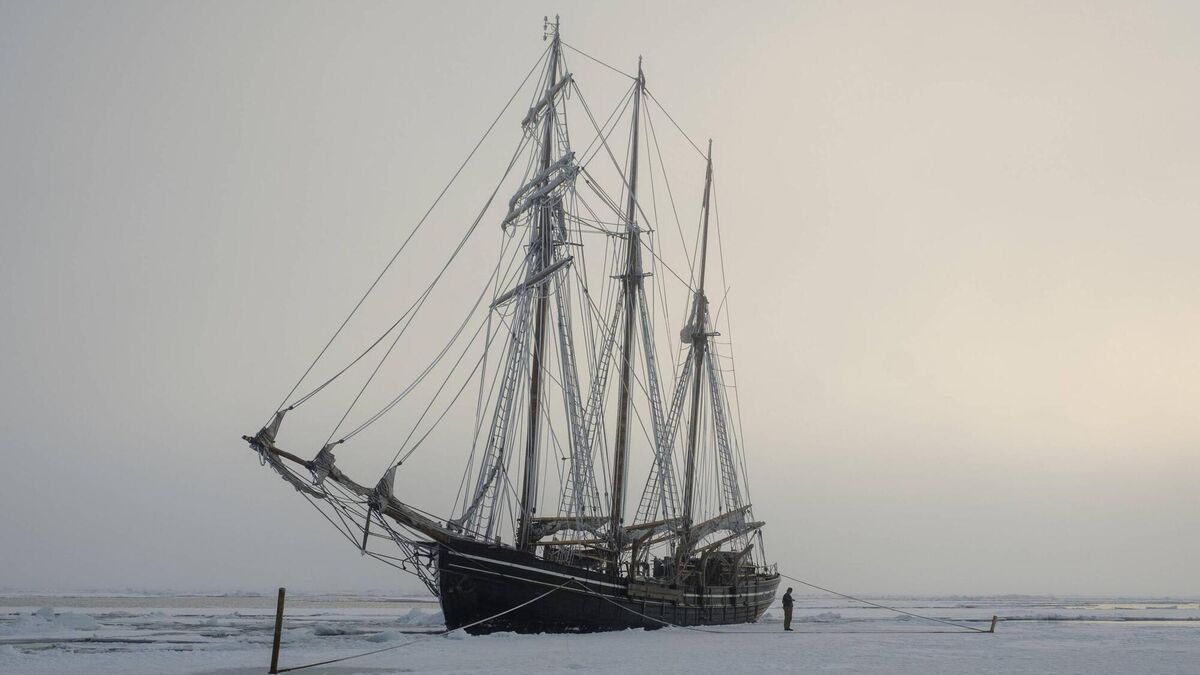
McGuire dug deep to research the whaling industry for his original book, and some of that detail has been retained for the screen version. As well as the seafaring ways and old tech, it's interesting to see the attitudes of an era when whales were just another fish that provided a useful income for the various strata involved in the industry. The warning signs were already there by the late 1850s, however, and the crew of The Volunteer have to venture ever further from home to locate their quarry.
Worth watching? The brutality of it all doesn't exactly make for cheery viewing, not least for those who are welcoming back a bit of brightness to a post-Covid world, but for others there's more than enough to make it worth a weekly trip to the dark side. And, of course, it also has the Farrell factor.