Book interview: Family values brought to book by Wimpy Dad
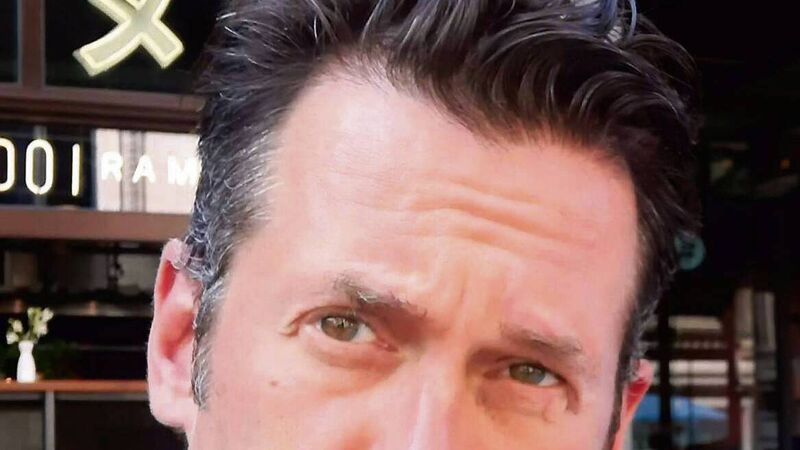
Author Dave Diebold David Diebold Diary of a Wimpy Dad
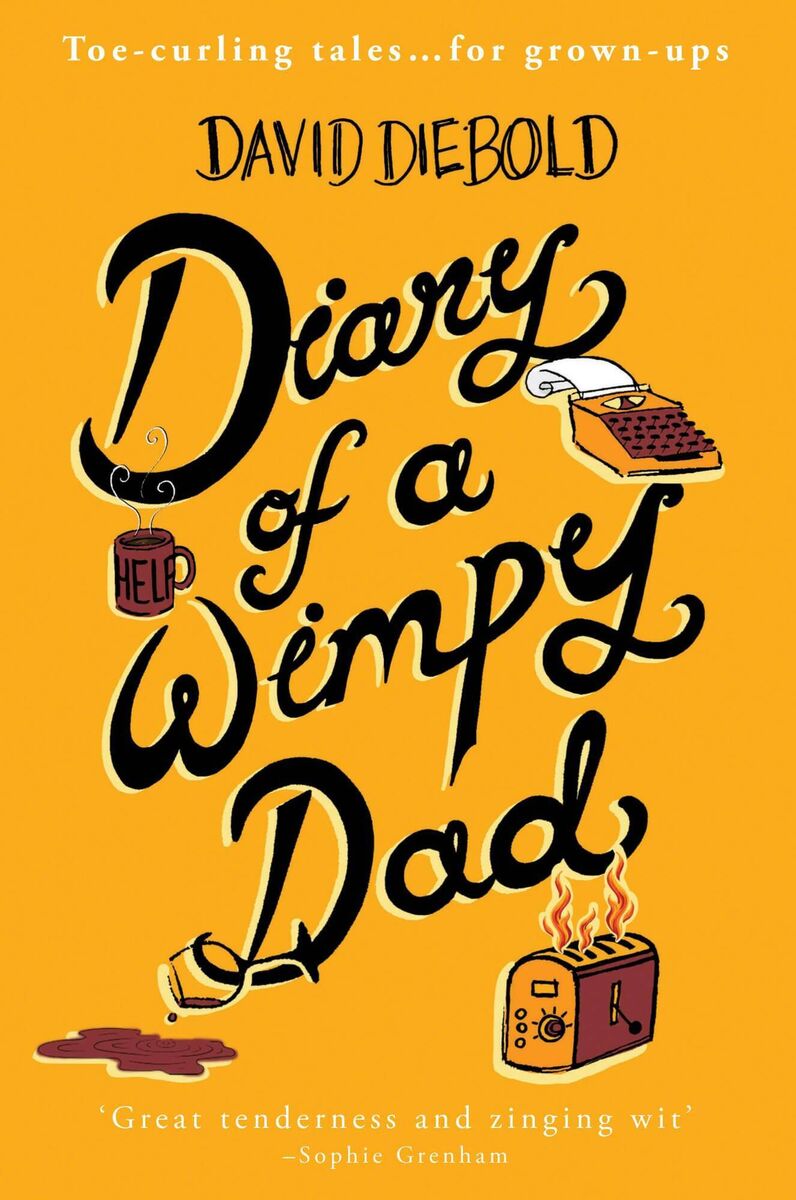
- Diary of a Wimpy Dad
- Dave Diebold
- Monument Media: âŹ11.95. Kindle: âŹ4.18
Shortly before Irelandâs first lockdown in March 2020, Molly, the Diebold family dog, was unable to get up. At 17, it was clear that her life was nearing the end. Knowing how much the dog meant to their children, David and Emily gathered the family together to ease their beloved petâs passing.
âOur eldest son, Zacchary, flew home from Brussels,â David tells me, over Zoom from his home in Skerries, Co Dublin. âEveryone wanted to spend time with the dog. Every one of them took turns curling up in the dogâs basket at night so she wouldnât be alone. It was heartbreaking. We all went with her to the vet on the day and put our hands on her chest until her breathing stopped. It was a profound and bonding experience.â
Zacchary was still at home when lockdown happened, but, working in IT, was fortunately able to do all his work on his laptop. A true family man, David was delighted to have everyone at home.
âThe sun was blazing,â he says. âWe ate outside every night, only moving in when the weather turned weird. We played board games every night and binge-watched movies. It was like Christmas in the sun.â
Those weeks reminded David of the days some years before, when, leaving his full-time job as features editor of the Evening Herald, he became a stay-at-home dad. As he was adjusting to his new role, he penned a weekly column for The Herald, relating the minutiae of the experience. He wrote the column for four years but has now edited and condensed them down to a year for a book titled Diary of a Wimpy Dad. And he dedicates it to the aforementioned Molly. âQueen of Farts.â
âAt the time, being at home living with the family was still fresh for me,â says David. âThere was almost a mindfulness vibe in writing the column. I was ultra-receptive to the banal detail of every single day, having missed out for such a long time.â
He describes his family back then as three hairy, monosyllabic teenage boys and a pathologically cheerful, explosively hormonal pre-teen girl, but in these humorous slices of life, he comes down hardest on himself, painting himself as an inept role model who almost always gets things wrong.
Some of the chapters are poignant to the point of tears. When his âmomâ is dying in the States, and he has to say goodbye to her over the phone, he canât quite find the right words.
âI wrote that blow by blow as it happened. In retrospect, it was quite funny talking all this nonsense, and thinking, âsurely this canât be the last phone callâ.â
Itâs abundantly clear that David adores his family â and loves the chaos that large families bring.
âI really like a busy house; a loud house with slamming doors and laughing,â he says, telling me how much he misses his children, now that they have all returned to their jobs or to college. However, heâs not a fan of housework.
âNeither Emily nor I have any interest in domestic chores,â he says. âWe are terrible. The description I write of a house full of cobwebs with the garden trying to break in is entirely accurate.Â
"We have other interests. There are too many books to read and too much wine to drink.â
Emily doesnât like cooking either, but David revels in it â and has become the family chef.
âMy cooking started as an apology,â he says. âWhen I was features editor, I would get home late. My day started at 4.30am, when I got up to take a taxi to the office, and after work, Iâd feel obliged to meet the editor or a colleague who wanted to meet in the pub. Iâd get home at seven, but there would be phone calls at eleven at night. It would be: âDid you see that thing on Vincent Browne? Call the studio now and get your man to write 500 words for the morning. Or donât bother showing up.

âBy the time I got home, Emily would have fed the kids. I would make her something really nice that I would have picked up, just for us. I was making up for lost time, making a meal really count. Once I was working from home, I was able to continue the apology full-time.â
This love for a united family most likely stems from Davidâs rackety childhood. The couple he describes as mum and dad are actually his grandparents. They brought him up, because his real mum â his sister â was emotionally unable to do so. He has since met his real dad â now deceased â and gets on well with his half-brother.
Life at home for David isnât always ideal. The third lockdown was as gloomy as the first was joyful.
âWinter was interminable,â he says. âI was crossing off the days as if I was in gaol. Sammy, our third son, in his third year at Trinity, moved out to a house in Ranelagh to be with his mates. Heâs the most culinary curious and really appreciates his food. The dinner table is not the same without him.â
When David left the Evening Herald, he and Emily set up a local newspaper; this along with their publishing company, Monument Media has kept them busy.
âThe paper is still going â we havenât missed an issue, but with virtually no advertising we had to downsize from 40 to 28 pages. We had to go on PUP because there wasnât enough coming in to pay ourselves and meet our overheads. And with nowhere to go, nothing to do, and only feeding four of us, life was hard. But the worst thing was that winter is the time we usually plan the rest of the year; where to go, who to see, and which city to visit abroad.
âAnd we worried about Emilyâs parents. Her mother has dementia and her father cares for her. They normally came out once a week, and Iâd cook lunch and dinner for them, but they could not, and Emily was aware of how much was on her dadâs plate.â
David walked away from a great career in journalism, writing for most of Irelandâs national newspapers, winning Feature Writer of the Year in 2011. He worked for the Evening Herald for 12 years, his role constantly evolving. Starting as a freelance writer, he moved into sub-editing before being made editor of their Friday magazine. And from there, he got the aforementioned features editor gig.
Would he ever consider returning to a day job?
âNever. I donât think Iâm suited to it â Iâm too sensitive. When Iâm working for someone else, Iâm subject to their whims and their moods.
"If someone treats me badly because they are having a bad day, itâs a trigger for me. Itâs, âIâm out of here. I donât have to deal with youâ. If you work as hard for yourself and your family as you did for someone else, you will always get by. If it came down to it, I wouldnât work for a paper or a business, but Iâd have no problem stacking supermarket shelves at night. I wouldnât have to talk to anybody.â
What did it feel like revisiting the columns a few years on? âI was reluctant at first,â he says, âbut the more I read back over them, the more I got inspired to finish the book. It was revisiting those moments and reliving them.
âThere was much more warmth in them than Iâd remembered. And I realised that ultimately, the columns are love letters to my family.â