Dear Gay review: A reminder of a brilliant broadcaster and his empathy for women
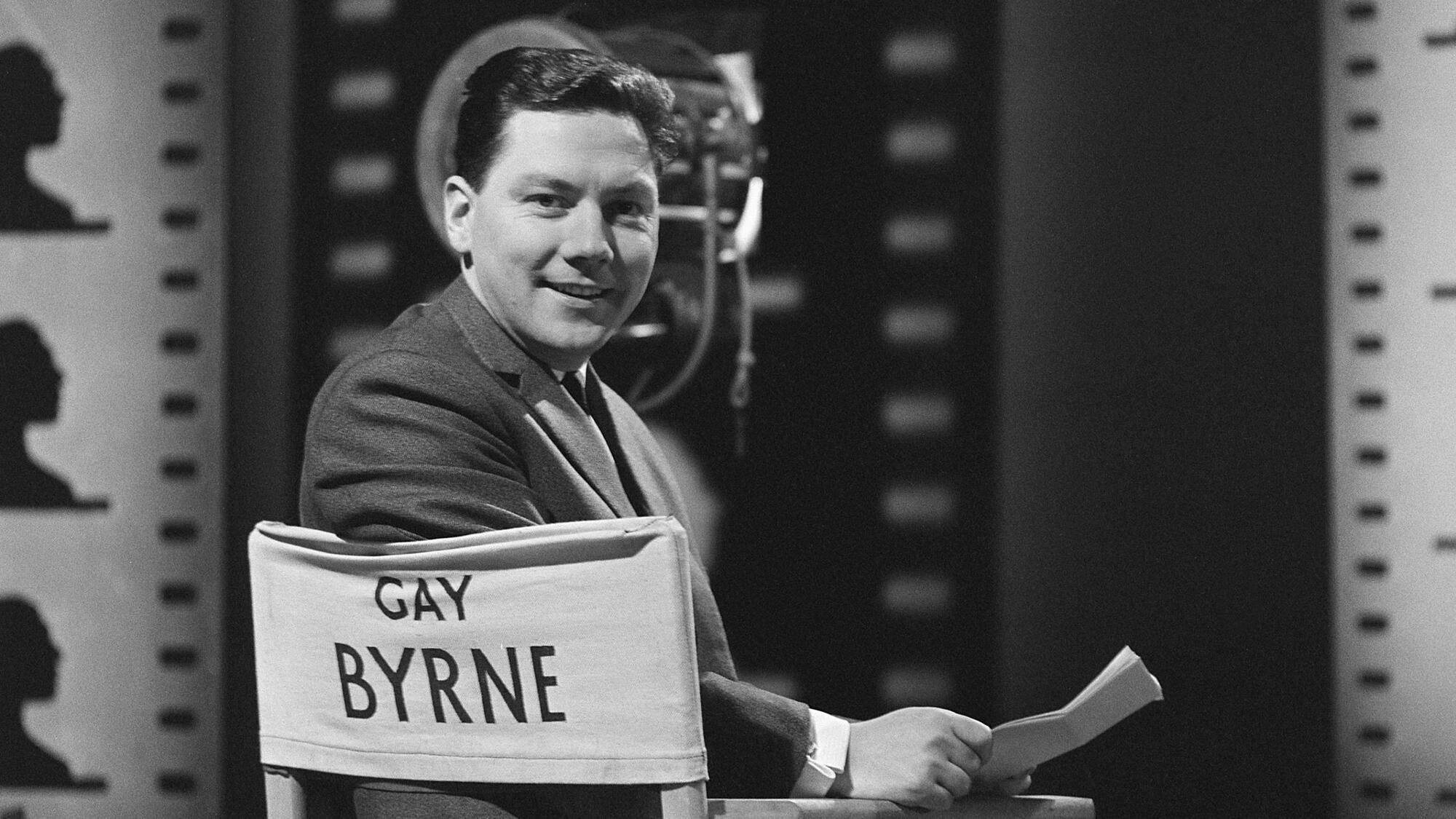
Gay Byrne in 1965. Picture: RTÉ
It began in 1963 as an hour-long music programme but the Gay Byrne Show became one of the most popular and influential radio programmes in Irish history, and a lightning rod for social change. The poverty, repression and shame that generations lived with was there for all to see in the RTÉ documentary Dear Gay, which explored the late broadcaster’s legacy through the letters sent in to the show over three decades.
Hearing Byrne’s distinctive voice and the trill of the theme song was a powerful Proustian madeleine but what was immediately clear from this skilfully composed programme was the unique relationship that Byrne had with female listeners in particular.
‘Housewives’ is seen as a demeaning and cheapened description now but Byrne knew and respected his core listenership and they wrote to him in their thousands, confessing long-held secrets and seeking advice for relationship problems. Divorce, abortion, domestic violence, ‘unmarried mothers’ and ‘deserted wives’, he tackled these subjects and more with probity and empathy.
The letters were often striking in their eloquence, whether written in desperation, suffering or anger. There was Carmel McCartney, who wrote to Byrne in 1979 about how a pub barman wouldn’t serve her a pint as "they didn’t serve pints to ladies". There was the unspeakably sad story of Ann Lovett which resulted in an unprecedented number of letters.
There were also the powerful and heart-rending words of Christine Buckley, subjected to unbelievable cruelty in Goldenbridge Orphanage, her pleas for help as a child ignored. Byrne listened to her when nobody else would, and her words ultimately led to the Ryan Report and a State apology. The grim realities of the 1980s and the shadow of huge unemployment was evident in the letters to the Gay Byrne Fund, with women pleading for a buggy or money to buy toys at Christmas.
There were laughs too, with one correspondent suggesting Byrne should have a ‘sex change’ because "how could any sane man listen to women all day".
The programme was a poignant and illuminating overview of Byrne’s legacy, and a much-needed reminder of what public service broadcasting is all about. It began with thousands of people lining the streets to pay their respects as his hearse passed and finished with footage of him riding his beloved motorbike.
There was an overriding sense that, as Joni Mitchell memorably put it, you don’t know what you’ve got ’til it’s gone.