The wit, wisdom and humanity of Homer Simpson: telly's favourite dad turns 65 today

Homer Simpson: an iconic, modern-day Everyman
There have been few comic creations to ever match the range and relevance of Homer Simpson, the bald, stubble-studded face of fatherhood and the working man's struggles, surviving in the wider universe that unfolds around him in the first ten series of animated sitcom classic .
As the show evolved from post-Reagan slapstick phenomenon to deep-reaching social and political commentary, the character of Homer Simpson stood, always slightly perplexed, in the middle of it all - stuck in a dead-end job to keep things afloat, struggling to relate to his complex and variantly brilliant children, while somehow keeping his marriage to long-suffering Marge together on little more than good intentions and co-dependence.
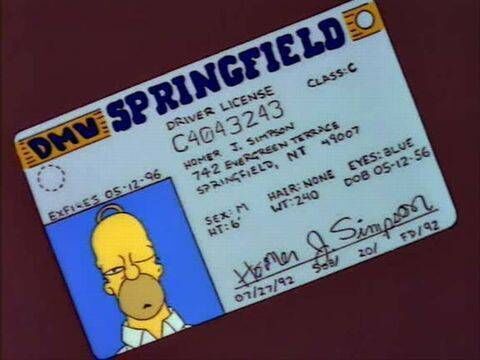
It'll warm the cockles of many a millennial heart, then, to learn that Homer Jay turns 65 years old today - a nigh-on impossible factoid to nail down in the show's seemingly static timeline, discovered merely by eagle-eyed fans paying attention to the little details in season four's 'Duffless' episode from 1993 - Homer's driver's licence displaying a birthdate of May 12, 1956.
A good excuse, then, to take a look at some of Homer's greatest quotes, quips and... Homerisms - all taken from the show's critical and commercial peak.
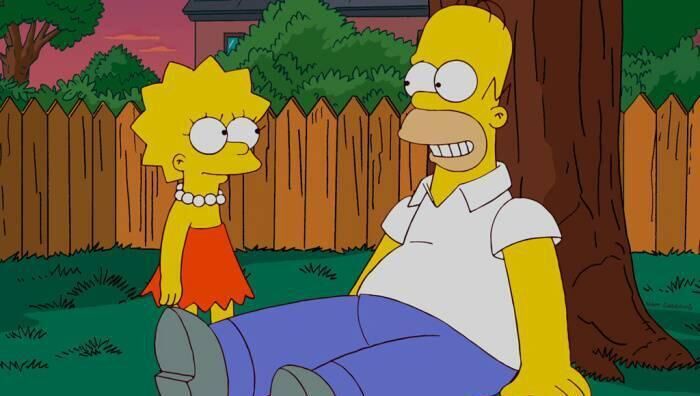
Homer's 'half-assed underparenting' creates numerous misunderstandings and other situations that lead him to eventually meet his kids halfway - whether it's Bart's rebellious behaviour, Lisa's rapidly-expanding social conscience, or even non-verbal toddler Maggie's glimpses of genius and emerging need for attention - creating touching moments of understanding.
Series one's sixth episode, 'Moaning Lisa', provides an early window into these relationships, as his initial indifference to Lisa's depression alienates her further, and he deals with the idea of irrelevance to ten-year-old Bart via the medium of a boxing videogame at the local arcade.
Opines Homer to Marge in bed on his parenting insecurities, while recalling an earlier story:
It certainly speaks to that moment when you realise your parents aren't ten feet tall, and able to keep the world at bay - or to the creeping dread that it might be you being left behind someday.
Season four's 'Homer the Heretic' sees Homer stop going to church, questioning organised religion and its impact on his enjoyment of the weekend.
Amid the conversation happening at home and in the community, he's visited by God in one of the show's sublimely realised dream sequences, angrily demanding to know why he's forsaken his church. In characteristic fashion, Homer breaks it down.
The Almighty sees Homer's point and agrees to let him 'live right and worship in his own way', before the dream snaps back to one of the show's great visuals - a drooling, smiling Homer waving goodbye in his sleep as Marge watches on, mystified.
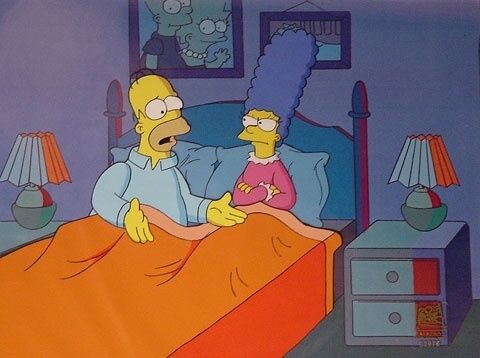
Homer's pitched battle with irrelevance continues in series five's finale, 'Secrets of a Successful Marriage', as, fearing he's considered by peers to be 'a little slow', he seeks to enter the world of adult education.
While it wouldn't be his first or last brush with self-improvement, the episode is memorable for landing Homer in the position of lecturing a night course on marriage - qualified, of course, merely by succeeding in not irrevocably messing up his own nuptials to Marge.
Before all this happens - and his disclosures about his and Marge's sex life create a rift in their relationship - Homer struggles to deal with the idea of self-improvement. While talking the idea of a night course out with Marge in bed, Homer delivers an all-time classic.
It's a cracking one-liner that hits the spot immediately, creating a situation and resolving it within seconds with pin-point hilarity.
Music has been an intrinsic part of from the outset - creator Matt Groening pulled influence from the relatively avant-garde underbelly of seventies American rock music, the likes of Frank Zappa and Captain Beefheart.
The show's roots in American counter-culture set the perfect stage for another theatre of combat against irrelevance and the march of time for Homer Simpson - worried that his taste in '70s music is alienating his clearly unimpressed kids, he dives into the alternative music scene of the late '90s, ending up on a touring festival as a sideshow freak attraction.
While 'Homerpalooza', in season seven, is better remembered for appearances from broadly 'alternative' artists like The Smashing Pumpkins, Sonic Youth, and Cypress Hill (who provided the above gem), it also explored Homer's alienation at the passage of time.
The show's inexorable decline after season ten saw writers return to the trough of musical cameos again and again, from R.E.M. and Green Day, to Lady Gaga and the cast of High School Musical, but no episode has since captured a wholesale grá for music and its culture quite like 'Homerpalooza'.
This quote has been slapped on so many bits of merchandise that it's easy to forget the simple, devastating home truth that informs this particular laugh for many of us.
Season eight saw the world of the Simpsons continue to open up, as the show continued to tackle issues underlying American society amid the seemingly rosy Clinton-era picture.
One such episode saw an archaic alcohol prohibition law come back into force after a St Patrick's Day celebration gone awry in stereotypical fashion, prompting an episode full of references to the real Prohibition era and the pop-cultural tropes that surrounded it in America - with Homer becoming an industrious alcohol smuggler, supplying Moe's 'pet shop' with home-brewed hooch.
Upon being found out, he's threatened with expulsion via catapult from the town square by zealous, Elliot Ness-like police chief Rex Banner, until Marge talks sense into the gathered mob. While Homer declines to further supply Springfield with booze (the local mafia step in within minutes), he regales fellow citizens with a toast.
Applause goes up from the crowd, and everything goes back to normal for another episode.