Oscars, Covid-19 and movie magic: Are the golden days of cinema lost forever?
Streaming is a mainstay now but cinema is not ordinary in the way that streaming has become — nor should it ever be
There is a singular moment, for me, which epitomises glamour on screen: Elizabeth Taylor in her now iconic Edith Head designed gown in . The pale yellow strapless gown with fitted boned bodice of ruched ivory tulle over yellow taffeta, and a skirt made of several layers of cream tulle, is still considered one of the most iconic dresses of the Golden Age of Hollywood — almost outshining the tragic love story that ensues between Taylor and the impossibly handsome Montgomery Clift. A more modern example would be Kiera Knightly’s striking green dress designed by Jacqueline Durran. It all ultimately acts as a draw; the costumes, the impossibly beautiful men and women on screen — the promise of another world. In this way, glamour is intrinsically linked to the films we know and hold so dear.
As my film obsession grew, so did my longing for more in that universe; the red carpets, the film festivals, the award shows, from Cannes, Venice to The Golden Globes. In fact, they go hand-in-hand for the majority of cinephiles. Many may say it's about the movie up for nomination but we know so much also depends on the award season 'circuit' actors must do — rarely do we see an Oscar won, for example, by an actor we haven't seen at all the award shows prior — it’s part of the politics of Tinseltown. And for so many, this is the movies, what makes them stand out in memory as much as any plot point is the whole package — as well as what we see after the reel ends. The Hollywood name on the red carpet always intensifies a critically acclaimed Oscars frontrunner and enhances overall appeal and popularity. I’m almost certain Brad Pitt won his long-overdue Academy Award in 2020 because he was one of the darlings of last year’s season; his acceptance speeches lauded, his attire formal, yet his always-relaxed demeanour approachable in every interview, even while the cameras never stopped flashing. You bought into him, as much as his performance, you wanted him to win.
The star and its cast talking, bigging up the feature at each ceremony. Without this in our new Covid world, I feel the movie 'experience' has been rendered more than a little flat overall; the hype that goes into the films promotional cycle is lacking without the physical red-carpet interviews and photocalls — the glamourous aspect is on the sidelines and the alternative of Zoom and at-home photoshoots, fickle as it sounds, is a poor substitute.
And then there are the gems; the smaller films which greatly benefit from as much promo as they can get without the backing and budget from a major studio. Eliza Hittman’s remarkable abortion drama , for example, won multiple awards at smaller festivals that were digital-only yet it was totally snubbed by the Academy. We can’t know, in a normal world, if it would have fared better, but pre-Covid times, Sundance was where Tarantino’s took off in the early nineties, with Christopher Nolan getting notice for at the 2000 Toronto film festival — both men were relatively unknown and the packed attendance of filmmakers and fans alike gave them and the films the buzz and elevation they needed to really take off. Films become real contenders for the biggest awards when as much attention as possible is given to them, and for this to really work, you need people first and foremost, not Zoom.
All this is before we even get to watching the films as intended — nostalgia remains one of the movie theatre’s biggest draws, and the cinema has always had this element of glamour associated with it, look at The Stella Theatre, for example. An elevated, luxurious cinematic setting allows films to shine, to be seen in their original glory. We’ve been deprived of this for what feels like an eternity with a streaming model that for some studios, looks like it's here to stay. The effects will be lasting and, for cinema-lovers, devastating. The Cinerama Dome, a historic movie theatre built in 1963 located in Los Angeles purposely created to showcase widescreen motion pictures (and home to showcasing some of the greatest films ever made), announced that it is to permanently shutter its doors as it struggles to recover from the pandemic.
I remember in 2019, when was released, it sold out more than 50 consecutive screenings in these iconic movie houses in LA alone. I saw it six times in the cinema myself — and never had the same emotions stirred at home as I did in those first viewings. So much of the impact is lost when a film goes direct-to-streaming. To the disappointment of many, the anticipated remake of will premiere on HBO Max, leaving the concept of what should be such a huge cinema blockbuster moment muted.
And so, there’s a hell of a lot riding on the success of the 2021 Oscars on April 25 and its organisers are determined to put out all the stops to keep the shiniest parts of their industry alive. It may be a scaled-down affair, but digital attendance is not an option, you either show up in person in your finest couture outfit (casual dressing is, naturally, also out), or the Academy will accept the Oscar on your behalf instead. “Stories matter,” says the Academy and so does honouring — in person — those who create them. They also are asking nominees to allow themselves to be interviewed and to tell their own personal story of what led them to this significant moment in their lives. This does not mean just the high-profile nominees, namely actors, but every one of them. They want to re-enforce that crucial element of a film: that movies tell stories and, this is what connects us to them and as the audience, them to us.
Streaming is a mainstay now and yes, Netflix has a place in all our homes but cinema is not ordinary in the way that streaming has become — nor should it ever be. It's the potential for it to be extraordinary — with all that glitz, glamour and the joy of a cinema outing — that makes it so magical.
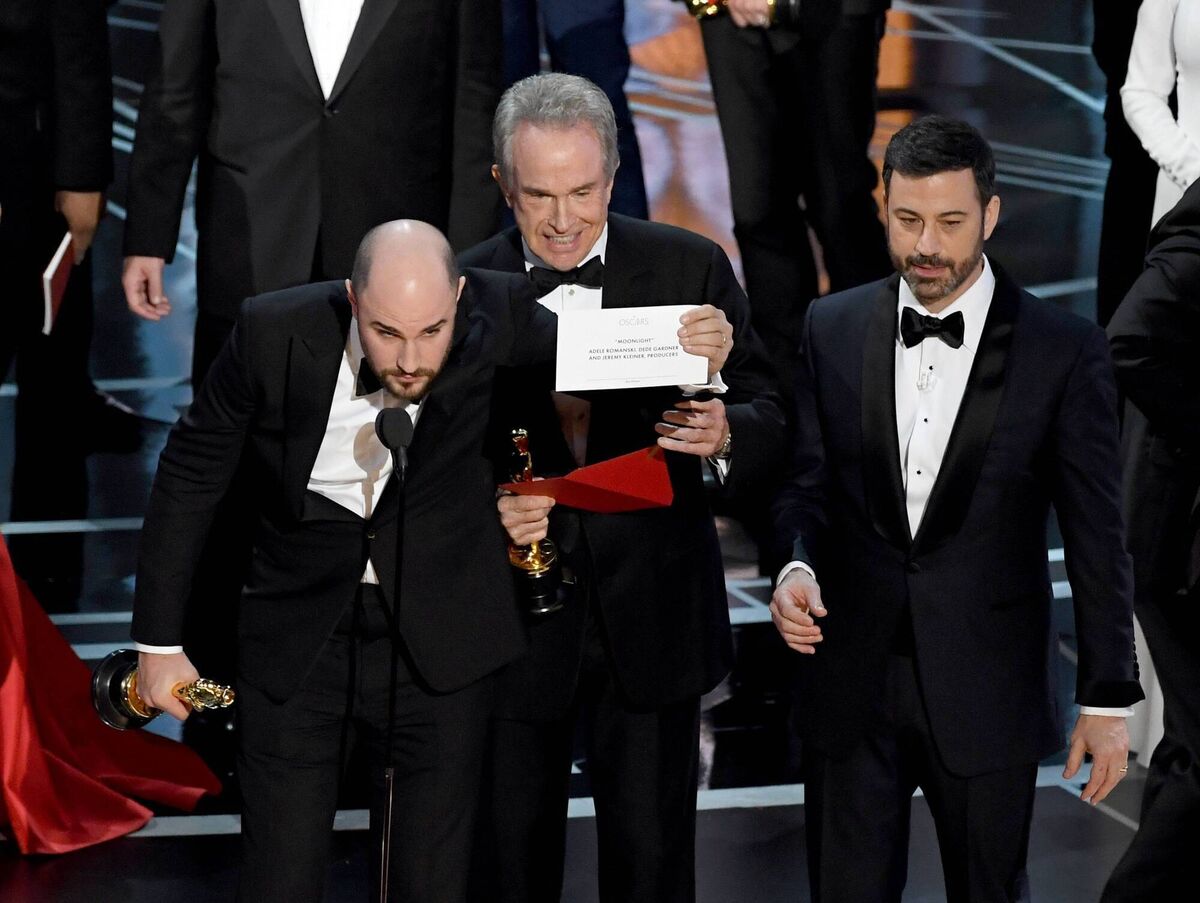
How can we forget the moment in 2017 when Faye Dunaway and Warren Betty said won Best Picture but it was actually ? The pair were mistakenly handed the back-up envelope for Actress in a Leading Role, giving us one of the more entertaining moments of recent years.
Oscar viewers around the world were googling “inclusion rider” after Francis McDormand’s fiery Best Actress acceptance speech in 2018, which called upon Hollywood stars to advocate for increased diversity in their productions.
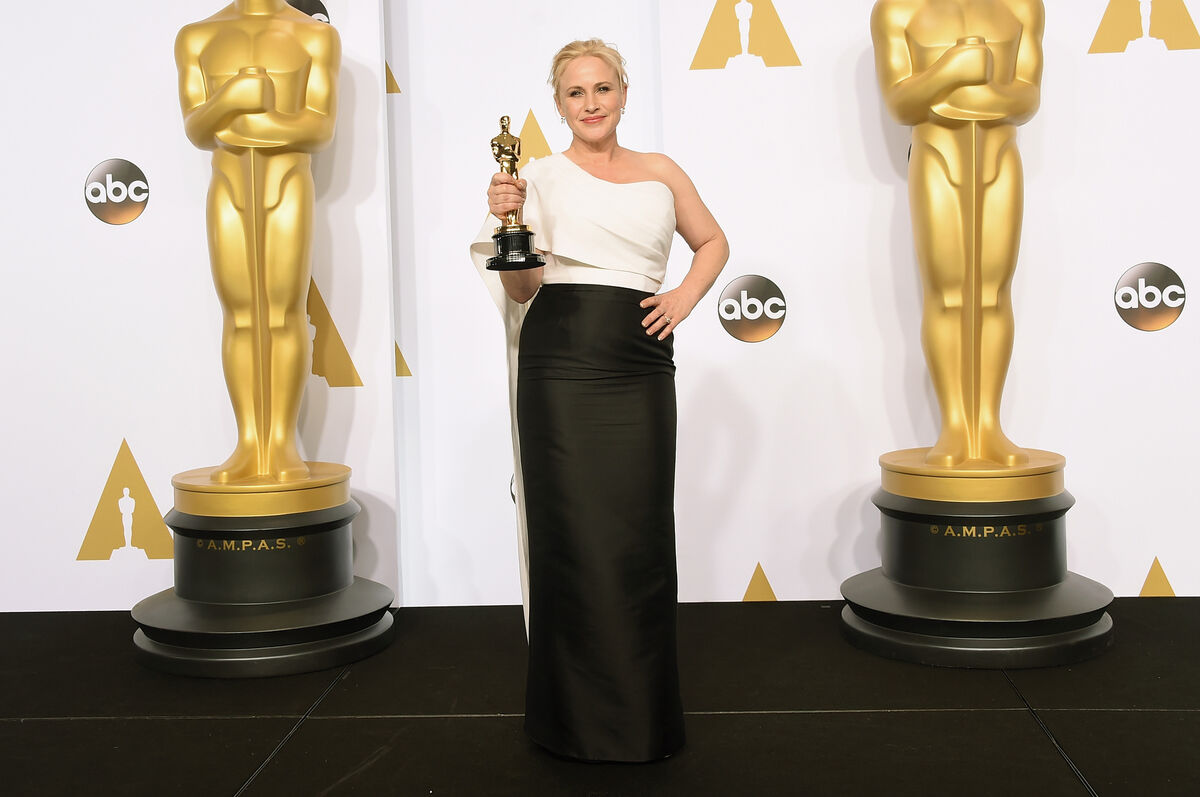
After Patricia Arquette collected her award for Best Supporting Actress for her role in Boyhood in 2015, she used her (amazing) acceptance speech as a platform to call attention to the female wage gap in the industry. Who remembers Meryl Streep's reaction becoming a meme?
Lady Gaga – Her Sound of Music tribute in 2015 remains the best musical moment to EVER come out of the Oscars (why don't people talk about it more?!). It was before she was cast to do and the camera pauses on Brad Cooper – you can tell now that he had found his lead!
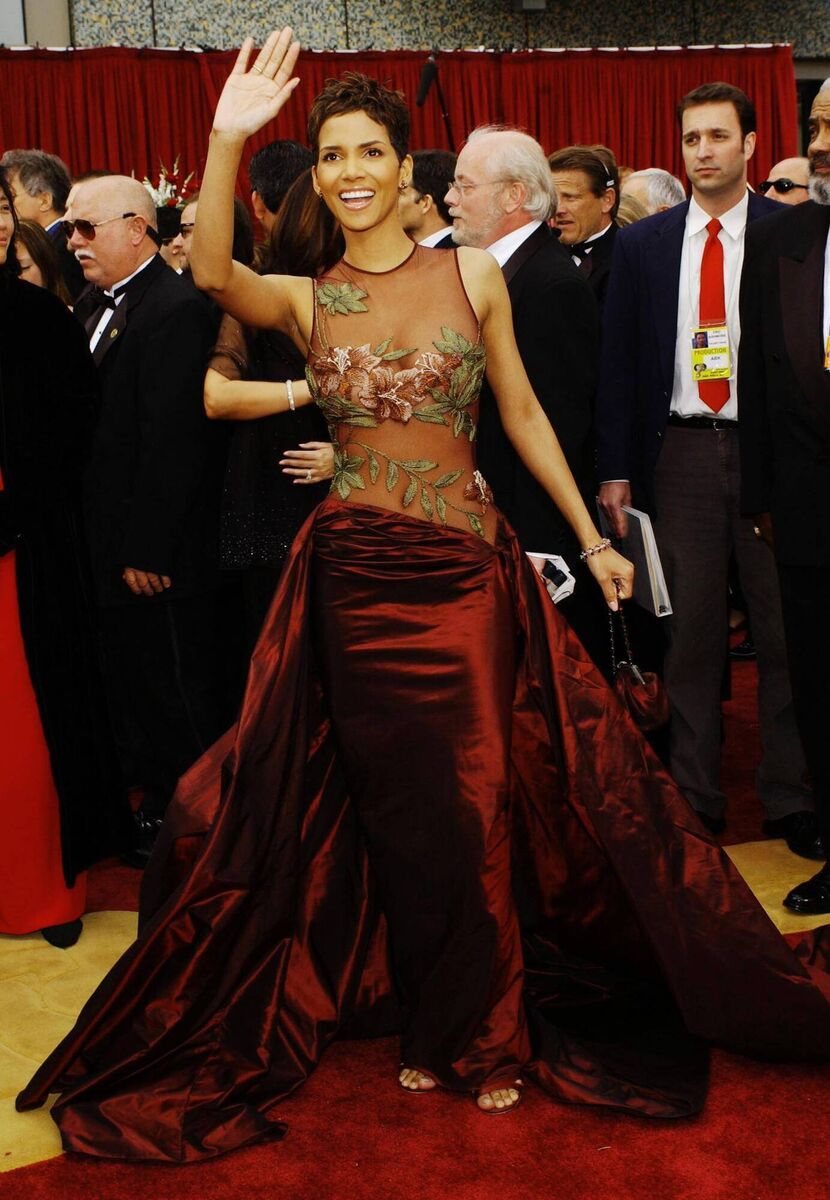
Halle Berry remains the first and only black woman to win Best Actress in 2002 for her mesmerising role in . As a result her nomination and win remains hugely significant, especially when #OscarsSoWhite trended in 2015, setting about a shift in the industry that largely ignored diversity.