Jacqui Hurley picks her favourite books, TV shows and the people who inspired her
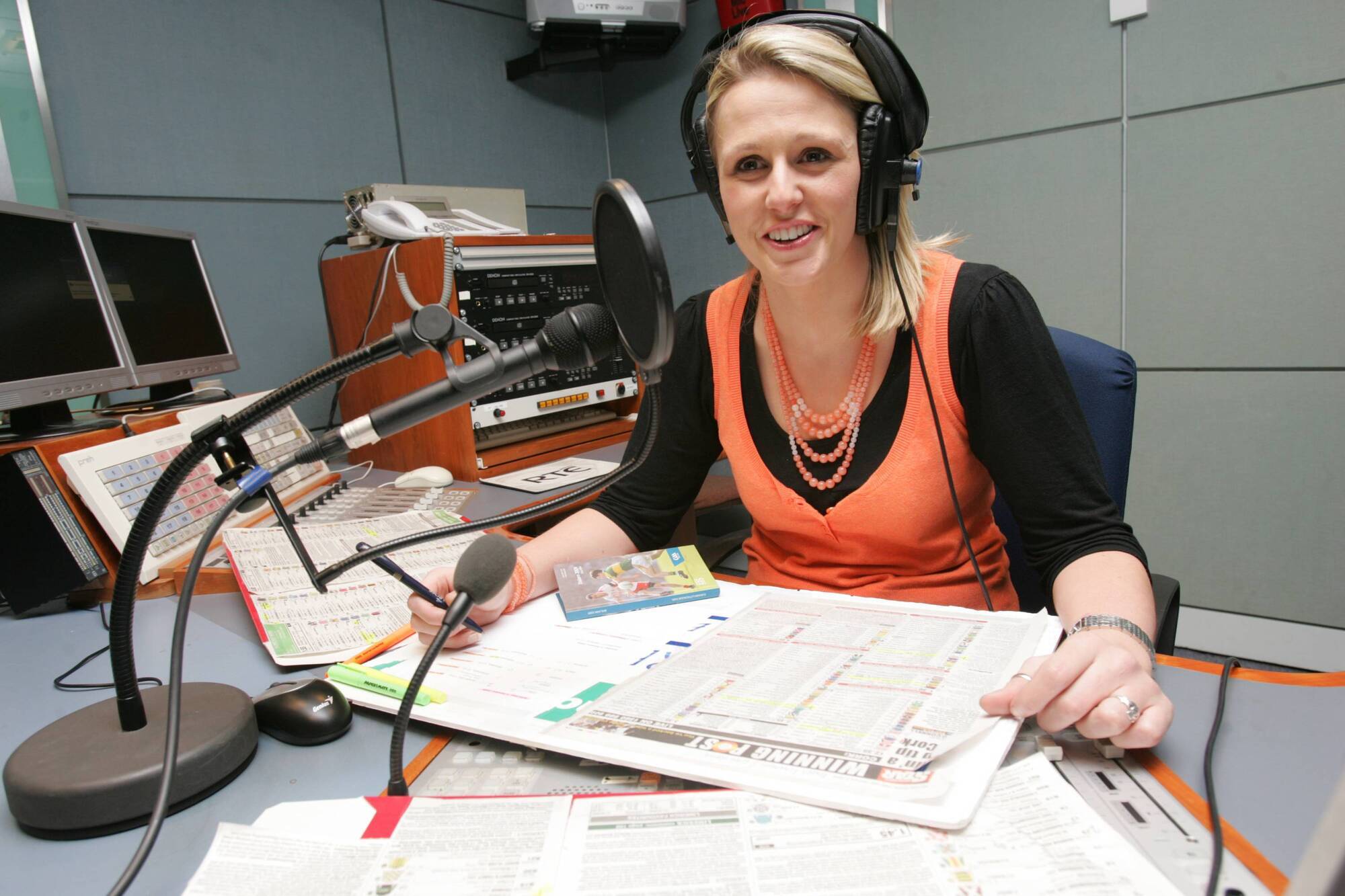
Jacqui Hurley: a pioneering sports presenter for RTÉ.
Jacqui Hurley, 37, was born in Cork but spent a lot of her childhood in Canberra, Australia. She returned to Ireland when she was 10 years old, settling back in Ballinhassig, Co Cork. In 2009, she became the first woman to present a sports show on RTÉ Radio. Her book is published by Merrion Press.
I love Scandal. I’m interested in American politics. The premise of the series is that Olivia Pope is a fixer for the president. All the dark stuff that he can't necessarily be associated with, she deals with in the background. Sometimes we romanticise life. We think it's a perfect world. Our eyes only see what we want them to see. Often what you see is a front from the American president. It’s only a piece of the pie. When you pull back the curtain, you realise reality is slightly different. A show like Scandal gives you that glimpse. It’s brilliant. Kerry Washington is brilliant as the lead, a really badass woman. She’s strong. She’ll shoot from the hip and I love that. It’s a clever show.
I’m a sports documentary nut. Icarus on Netflix was brilliant. It explored something we thought we knew a lot about, but we actually didn't know the whole story. When you start to hear Grigory Rodchenkov, the whistleblower’s story, you suddenly realise the Russian doping programme was more layered than what we thought. That there was government involvement is mind blowing. It's hard not to devour a documentary like Icarus.
Andre Agassi’s autobiography Open is phenomenal, the best book I have read bar none. It opens up his whole world. It was incredible all that was going on in his life yet he was still winning. Some of the stuff he reveals – you’re thinking how did he continue having this life. The book is called Open and that’s exactly how it is – open and honest. There was nothing off limits. He just went for it.
Paul McGrath’s book Back from the Brink is another gem, which is written with Vincent Hogan. It was Paul exposing himself, taking us down the dark path of how hard it was for him to be Paul McGrath. I think everybody in this country loves Paul. He's like a national treasure. He's one of those figures the country wants to mind. His mind is so precious. He’s battled his demons. He could have held a lot of that back in the book, but he wanted to tell his story and he wanted to be real. It’s exactly what a sports autobiography should be – it told the truth.
I watched Athlete A on Netflix. It wasn’t easy to watch. I watched that USA gymnastics team in the Rio Olympics. I was lucky to be there, watching Simone Biles winning all her gold medals. Perhaps because I had seen them up close made it harder to see them all standing in court later in this documentary. My heart was breaking. You're thinking how in the name of God did Larry Nassar do this sexual abuse for so long and get away with it? In Athlete A, the parents admit they felt like they failed as parents. For all parents, that is your biggest fear – that you’re not there for your child, that you allowed your child's sporting career to overtake everything else. That was what Athlete A explored for me. Those parents must be tortured.
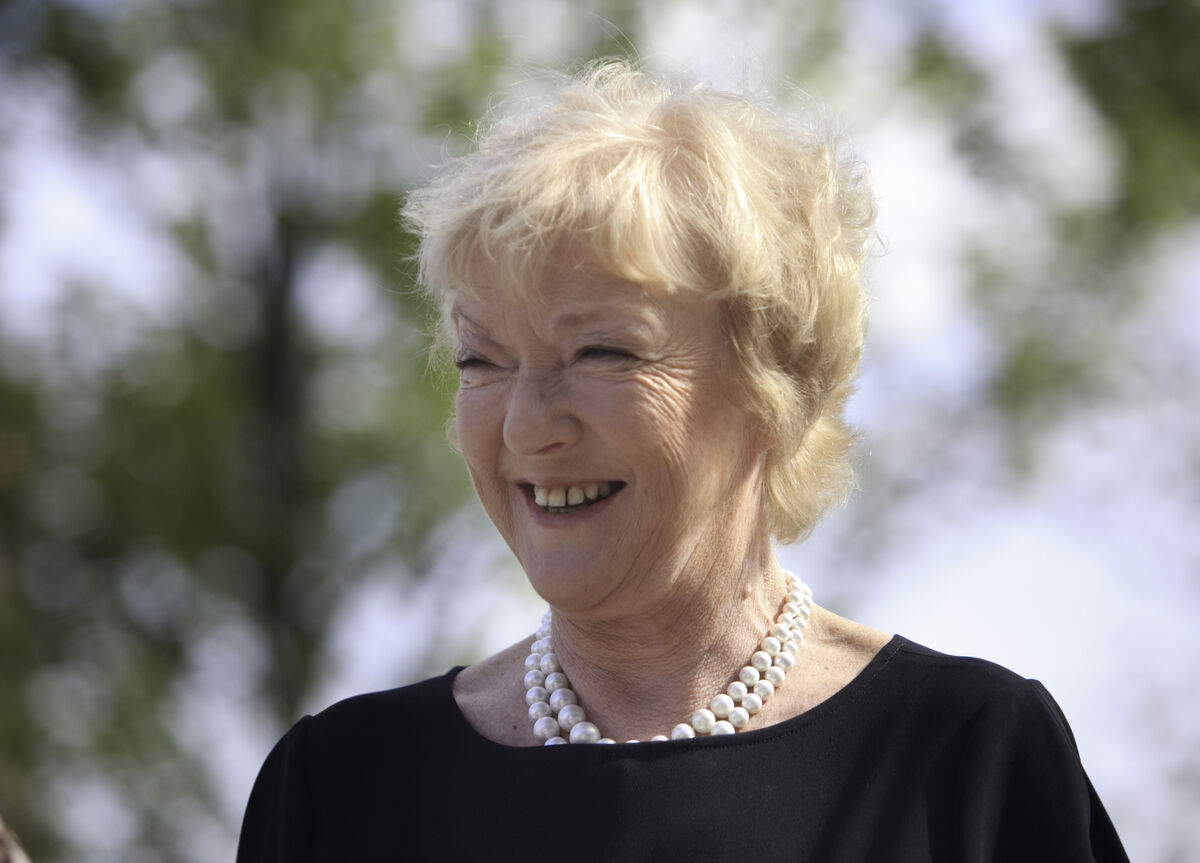
When I joined RTÉ, the person I wanted to meet most was Marian Finucane. One of the first times I was on her radio show, Marian accidentally referred to me on air as Jackie Fox; we have another girl that works in the newsroom called Jackie Fox. I didn't correct Marian. I let it pass. I did my slot and left. My phone rang later that day: “Hi, Jacqui, Marian Finucane here. Look, I want to apologise for referring to you as Jackie Fox earlier. I didn't cop it until the producer said it to me during the break. Why didn't you correct me?” I said, “Gosh, I didn't want to. You were in full flow. Don't worry about it. No harm done.”
She said, “Well, let me just say to you: if you can’t tell people what your own bloody name is, how do you expect anybody else to know? You're trying to make a name for yourself. The least I can do is get it right, but the least you can do is tell people when they don't get it right.” I was like, “OK, fair enough.” It was brilliant. It was her telling me: fight for yourself. Don't sell yourself short. Give yourself the best opportunity for this thing to work out.”
As a kid, The Sunday Game was huge in our house. Getting to work alongside Michael Lyster, seeing how he did business was instructive. He was probably undervalued; people just saw this jovial character. It’s only when he's gone now people see how good he was. He was a conductor. He embodied this idea of “let them talk and if I need to ask something small or make myself look silly in order to get the right reaction, I'm not worried about doing that”. It's a very rare skill Michael had, asking that simple question, “What did you think of that?” and seeing what happens as opposed to asking a long-winded question. If it means panellists are going to row and you run a minute over, say “sorry” later, but let the chaos happen. There could be people screaming in his ear, saying “cut him off; we have to go to break”, but Michael would know in his head what good television looks like and he’d let it run.
I like Jake Humphrey’s The High Performance Podcast. He gets high performers – actors, singers, sports people – to go through their life story, finding out what made them successful. For example, South Africa won the Rugby World Cup in 2019. The captain was a guy called Siya Kolisi. He’s the first black man to captain his country. We’re still only 25-30 years removed from apartheid so for South Africa to have a black captain to win a World Cup is something. His story is powerful about what humans can overcome. He came from absolute poverty. Even for non-sports people, it's the one podcast this year I would recommend. It's about resilience and how you can train the human mind to overcome anything, even when you're in the lowest of the low – you genuinely can do something about your life circumstances if you want.