Phoebe Fox: 'Why is it so unusual to see someone who's not a size eight on screen?'
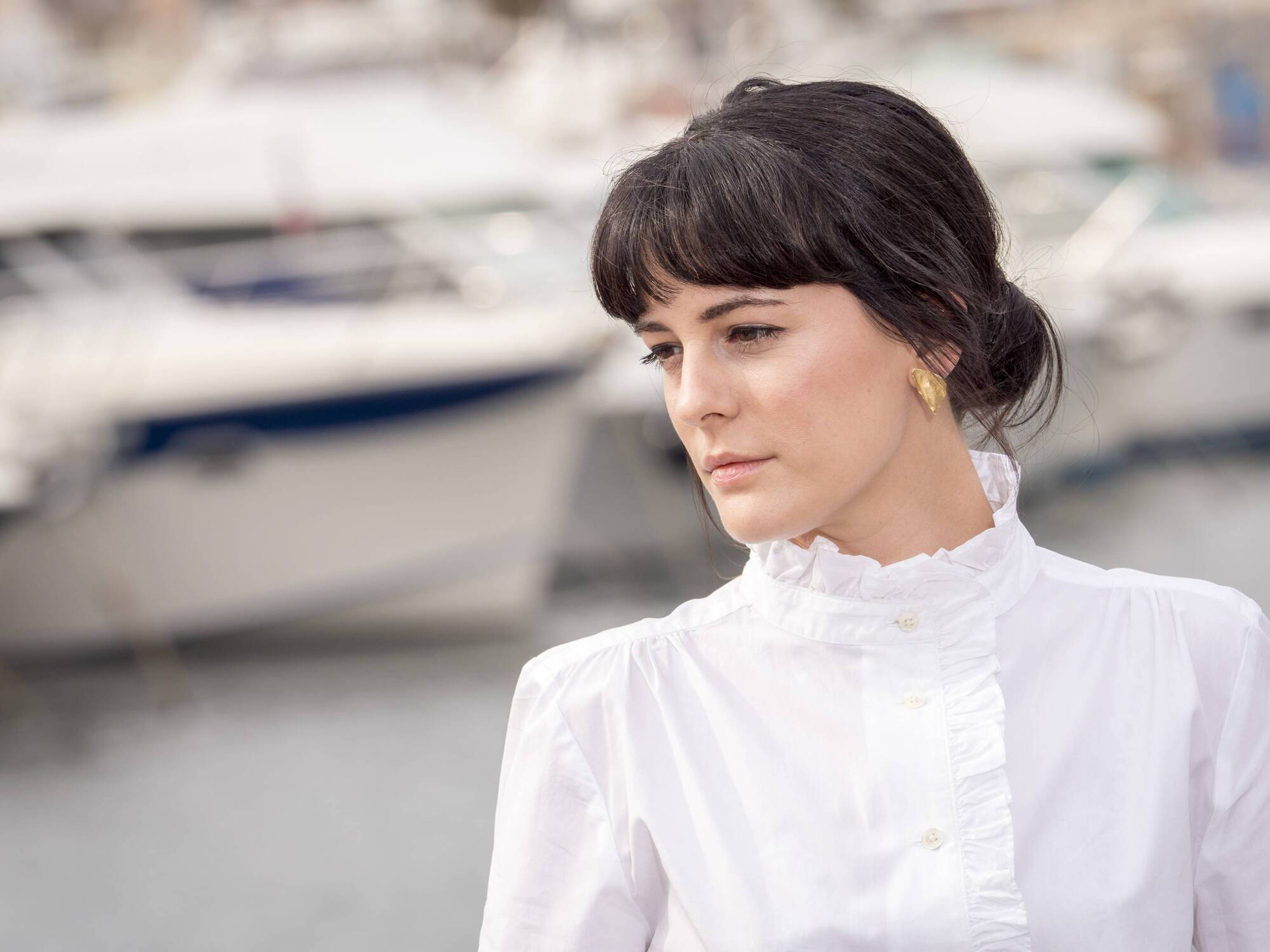
Phoebe Fox says working for 12 hours a day in a corset was “literally a form of torture”. Picture: Arnold Jerocki/Getty Images
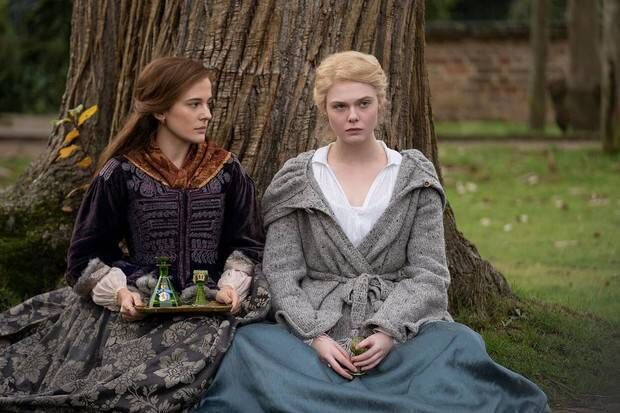
If you find yourself mourning the halcyon days of your hedonistic youth, consider this. You wake up to the sight of a woman brazenly defecating at the foot of your bedside (a particularly grim Freshers’ Week, perhaps?). Suffering rogue poopers, severed heads for dessert, and being “slapped down” in front of the gals — it’s all par for the course for Marial, Phoebe Fox’s ingenious interpretation of the empress’s aide in Channel 4’s new mini-series, .
A former lady at the court of Emperor Peter III of Russia, Fox’s character Marial has been demoted to servile status. And for very good reason. Her father simulated sex with the mummified corpse of the emperor’s dead mother (ahem). The phrase “dying of shame” takes on new meaning.
But for Marial, the constant humiliation she faces as the lowly handmaiden does not define her. Physically restrained by a wimple (medieval headdress) and corset for 12 hours a day might not sound ideal but for Fox, it was a way into her character.
“You put this character, who has an immense amount of pride in that demeaning, unattractive headdress and I think her whole physicality would be pushing against it," says Fox.
It serves Fox well that she is about a foot shorter than most of the other cast members. And though she is diminutive in stature, she is formidable in spirit, both on and off screen. I would argue that her role as Marial is one of the strongest female roles on television, of the same calibre as Suranne Jones’ Doctor Foster or Jodie Comer’s Villanelle.
“She takes us a lot of space, and she’s trying to take up more. She’s small, but she’s got a violent nature and she’s quite combative,” Fox contends.
The idea of unattainable beauty is nothing new for women on screen, and Fox says working for 12 hours a day in a corset was “literally a form of torture”. It changes your centre of gravity, she says, which informs the development of the character.
“It made me walk with my arms and legs quite dominant. Marial’s walk is quite stumpy.”
Fox is beginning to understand why the Victorians spent so much time sitting around doing embroidery. The feminine ideal of the period was a 30cm waistline, she tells me.
Straight-sided corsets were the order of the day, creating a cone-shaped silhouette in the wearer. Girls were placed in boned corsets from the age of six months, causing the misalignment of their internal organs. “The mind boggles,” Fox says.
“It’s so depressing that in some ways we have not moved on from that, we’re still obsessed with unrealistic beauty ideals. Why is it so unusual to see someone who's not a size eight on screen?” Fox recalls being told at drama school that the perceived notion of her by her lecturers was that she was simmering with an unexpressed rage. She didn’t quite relate to it at the time.
Now, she recognises that disconnect as being largely due to the industry’s long history of ignoring flawed, unlikeable female characters.
“As I've grown up and done a lot more work on myself, I realised that they were absolutely right. I think most women are sitting on all this rage we've never been allowed to express. It's an emotion that I think that people find quite unattractive in women which is why you don't see it very often."
We’re so conditioned to seeing filtered interpretations of women on screen, Fox says, and that’s not helped by the fact that the majority of films are still written, directed and produced by men.
“That's really where the change needs to come from,” she tells me.
Fox is writing her own script at the moment and, interestingly enough, has struggled with her own internalised patriarchal ideals. She has had to push against her need for the lead character to be “beautiful or even attractive”, and strive for authenticity over palatability.
We segue to talk of a recent magazine article about Emerald Fennell’s incendiary new film, . In it, the reviewer described Carey Mulligan as a “bit of an odd choice … who wears her pick-up bait like bad drag”. Fox and I disagree. Mulligan called out the reviewer, whom she felt embodied the dark side of the industry’s institutionalised misogyny.
The construct of female niceness seems to have bypassed Fox as her career has seen her play a spectrum of transgressional female characters, both on stage and on screen.
Although Marial is no stranger to physically attacking people, the real power is in her acerbic tongue, and Fox relishes the freedom that brings.
”There's nothing more delightful than seeing a very small, very angry woman calling people fuckers and whatever.”
Written and created by Tony McNamara, capitalises on the same brand of humour that earned it multiple nominations at awards season for . Known for going straight for the jugular, McNamara’s script is equally brilliant in its irreverence as it is in its historical inaccuracy. Foul-mouthed ladies exist in his world; uncensored in their attitudes to sex, violence, and bad language. They use lemon rinds as contraception, stab nine-year-old children to death, and get their jollies with horses (allegedly). Fox says McNamara would often be on set, gleefully doling out extra swear words, much to her delight.
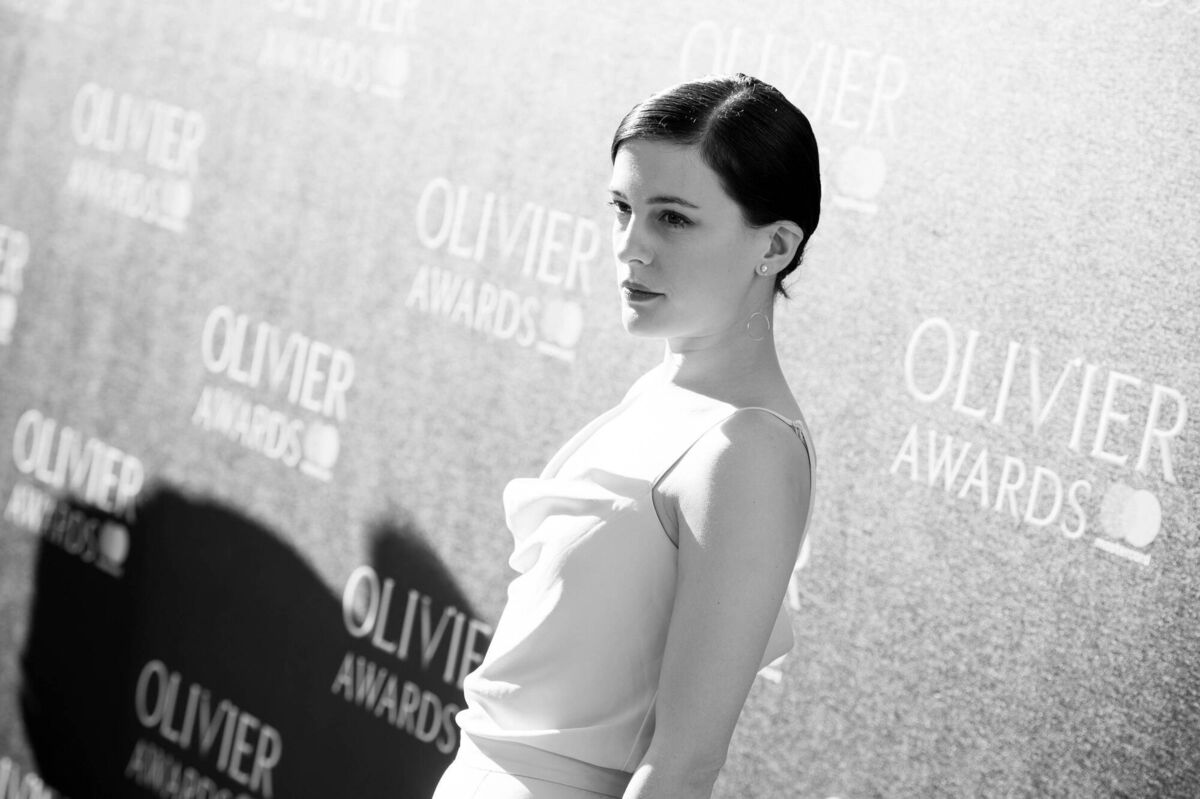
Getting into the headspace of a character can take an actor down a dark road, Fox admits, and not every role was as fun to play as Marial. She describes a particularly rough period for her mental health when she was on stage in , a role that earned her nomination for an Olivier Award. For two years, Fox played Catherine, a girl coming of age against her uncle’s controlling grip.
“I cried every night for two years on that job. I felt completely insane because your body doesn't know the difference between real tears and fake tears. I actually became massively depressed.”
Blurred lines between Fox’s real and imagined worlds carried with them some serious psychological damage.
“I was forcing my body to go through traumatic experiences every night. It can take quite a long time to recover your sanity from something like that.”
The daughter of two jobbing actors, Fox applied to the Royal Academy of Dramatic Arts twice before finally securing a place on her third year auditioning.
She has had her embarrassing audition moments. One particularly comes to mind.
“I have quite a dry sense of humour. It comes out when I’m feeling nervous. I was in an audition for a really good job and the director was reading opposite me and his part was … well, he was playing a pervert. And I turned and pointed at the director and said: ‘Ooh, typecasting.’ I was mortified. In hindsight, it wasn’t funny at all.” It’s hard not to laugh as Fox’s warm wit and charm positively burn through the phone lines.
One gets the sense she is truly up for anything, within reason. Her worst job, she tells me, was approaching people on the street, trying to sell a photoshoot.
In the mornings, before work, she would have to participate in some team-building exercises. One instance sticks out.
“There was one day where we'd played a game and I’d lost. My forfeit was to act out being a pig, having an orgasm. In front of all these people. How humiliating. I left the job not long after that. Life's too short.”
Life may be short, but Phoebe Fox is in the acting game for the long haul. She’s filming the new series of as we speak. What can we expect? More of the same power-hungry, thirsty women with filthy mouths? Hell, yes. Huzzah!