Movie Reviews: Relic — a different kind of horror entirely; Lucky Grandma; and Holidate

HOLIDATE (2020) Alex Moffat as Peter. Cr. Steve Dietl/NETFLIX
Vampires, zombies, poltergeists: they’re all pretty scary, in their own way. (15A) proposes a different kind of horror entirely: the living obliteration of dementia. Emily Mortimer stars as Kay, who travels from Melbourne to her rural home to check up on her mother, Edna (Robyn Nevin), who hasn’t been seen for a few days. When Edna finally reappears, she has no recollection of where she has been, or how she sustained the dark bruise on her chest. Is her memory deteriorating?

Or is there something more sinister lurking in the walls of the house? Written by Christian White and Natalie Erika James, with James directing, Relic is a slow-burning psychological thriller that cleverly reimagines the symptoms of dementia as horror movie tropes. Edna’s house, for example, is The Shining’s Overlook Hotel in miniature: as the forgetful Edna wanders around her rambling old home, the structure gradually begins to reconfigure itself so that it seems impossible that an ostensibly normal house could contain such a maze of corridors and hidden rooms. The film, however, offers much more than a cerebral genre makeover: as Kay and her daughter Sam (Bella Heathcote) confront the tough decisions that must be made about Edna’s future, the story also offers an exploration of mother-daughter relationships at a particularly fraught moment in their respective lives (the scene in which the bewildered Edna reverts to childhood, beseeching her adult daughter to check under her bed for monsters, is drenched in pathos).
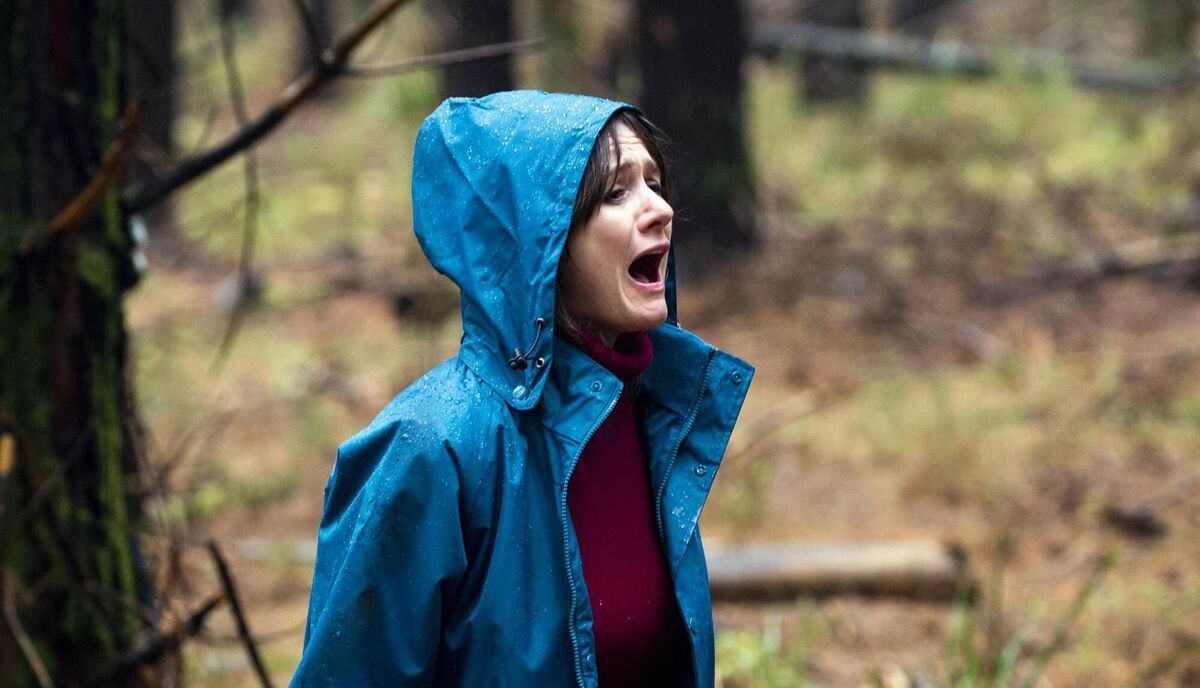
Robyn Nevin and Emily Mortimer are in excellent form as the combative mother and daughter who only belatedly realise that their conflict is being orchestrated by a malign presence, with Natalie Erika James delivering a spookily assured and thought-provoking film in her first feature-length offering. (various platforms)
Set in New York’s Chinatown, (12A) stars Tsai Chin as Grandma Wong, recently widowed, utterly broke and promised a considerable windfall when she consults her local fortune teller. Unfortunately, Grandma Wong’s lucky break comes at the expense of Mr Lin, who expires of a heart-attack whilst sitting beside her on a bus, whereupon his bag, stuffed full of cash, falls on Grandma Wong’s head.

Soon Grandma Wong is dodging Pock-Mark (Woody Fu) and Little Handsome (Michael Tow) of the local Red Dragon triad, and employing Big Pong (Hsiao-Yuan Ha) from the rival Zhongliang triad as her personal bodyguard — but it’s only a matter of time before the corpses begin piling up, and Grandma Wong’s life starts to spiral out of control. Written by Angela Cheng and Sasie Sealy, with Sealy directing, Lucky Grandma is an inventive variation on the heist-gone-wrong caper that revels in its black humour. Central to the comedy, of course, is Grandma Wong herself: embittered by a life of drudgery, left penniless by her feckless husband, Grandma Wong is ready to do whatever it takes to face down the warring triads, with the deadpan Tsai Chin evoking the ghost of old Stoneface himself, Buster Keaton, as she wreaks havoc amongst Chinatown’s criminal factions. All of which makes for a very enjoyable farce, but it’s the relationship between Grandma Wong and Big Pong that gives Lucky Grandma its heart. Initially dismissive of the lumbering giant assigned to protect her, Grandma Wong gradually comes to embrace him as the son she never had — the unlikely duo swapping cooking tips and watching Chinese soap operas as they develop an unexpected bond. Hsiao-Yuan Ha, Michael Tow and Yan Xi (playing the sinister Sister Fong) provide strong support, but this movie belongs entirely to the legendary Tsai Chin, with the former Bond girl delivering one of the finest performances of her storied career.
Finding themselves single over the Christmas break, strangers Sloane (Emma Roberts) and Jackson (Luke Bracey) agree on a temporary solution to the need to bring a significant other to parties and family gatherings: the (12A), which gives them the option of hooking up on every major holiday in the calendar.
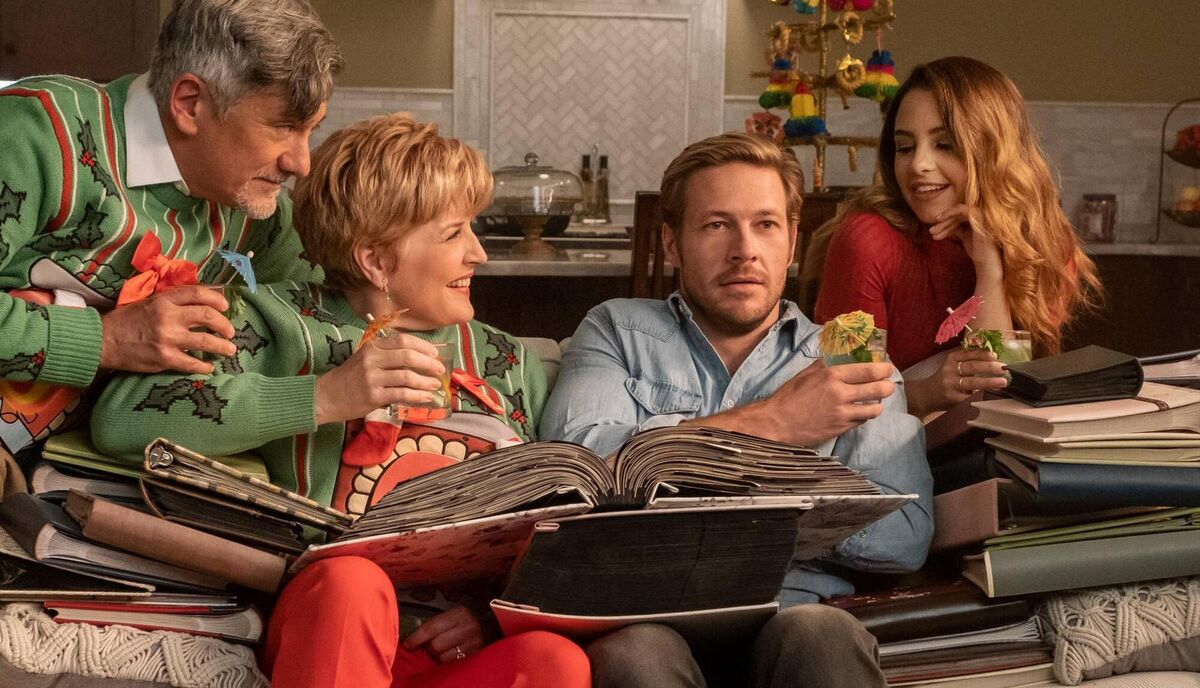
A neat idea in theory, although here complicated by the fact that Jackson believes Sloane is unattractive, while Sloane thinks Jackson is a chauvinist boor, all of which results in the ill-suited pair bickering their way through Christmas, Valentine’s Day, St Patrick’s Day, Thanksgiving et al. Tiffany Paulsen’s script is predictable, certainly, as it delivers the expected rom-com storyline, but the real issue here is John Whitesell’s unfocused direction, which overlooks the crucial element of developing a chemistry between Sloane and Jackson. Indeed, Emma Roberts and Luke Bracey are both likeable in their own right, but both seem surprisingly awkward in their roles as the characters trade insults, point up the other’s failings, and generally carry on like a married couple even before they get to kiss for the first time.