Bluegrass with a green tinge coming to Ballydehob
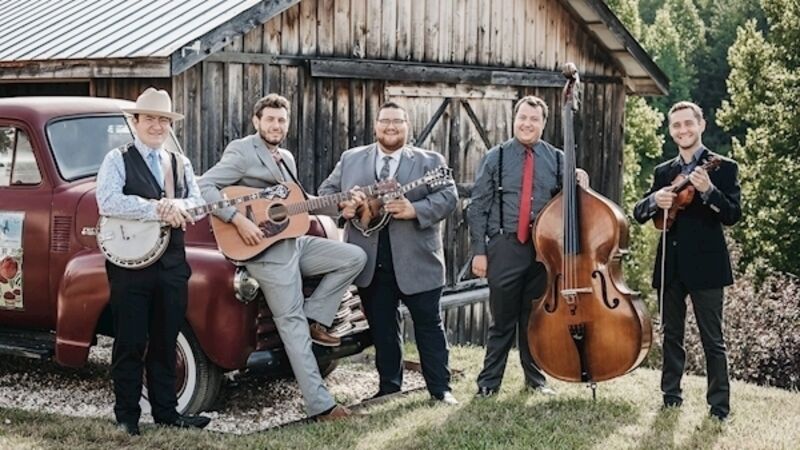
There’s nothing like your first ever lock-in to let you know you’re in Ireland. Seth Mulder is describing the opening night of his band’s first Irish tour.
“We’d had no sleep and we’d just landed, and we were booked to play in Campbell’s Tavern in Headford in Galway,” Mulder, lead singer and mandolin player with bluegrass outfit Midnight Run, says.
“It was a packed house, a bunch of people ready to listen to bluegrass, people passing us Guinness. We had a great time and then afterwards we went to a pub for a nightcap.
"They all just start taking turns singing old Irish ballads, different people including the bartender. And that went on for about three hours. It was surreal; I had only seen things like that happen in movies.”
Now, Midnight Run are back for more, including an appearance at the Heart & Home Bluegrass Festival in Ballydehob at the weekend.
The thirst for bluegrass in rural Ireland comes from the part-Irish roots of the music and the emigrant history that links this country to the Appalachian Mountains, bassist Max Etling explains.
“Last time we were here, we played the Ulster Folk Part in Northern Ireland and our tour manager said a lot of people from that area had moved to Appalachia and the South,” Etling says.
“They brought their music with them.”
Bluegrass takes Irish, Scots and English folk music, brought by emigrants to the Smoky Mountains, and fuses and enriches it with African-American musical traditions, including the all-important banjo, an instrument with West African origins.
It’s a music born of poverty, with a streak of wildness ever-present, what mandolin player Bill Monroe, a founding father of modern bluegrass, called the “high, lonesome sound”.
But Midnight Run are university graduates from bluegrass music programmes: Mulder from Kentucky School of Bluegrass and Traditional Music, and Etling and Watlington from East Tennessee State University.
They are passionate about preserving the bluegrass tradition, but is there a danger of gentrifying it with all that book-learnin’?
Watlington doesn’t agree. “The thing they really teach you is to keep that grit and roughness,” he says.
You kind of have to have it, to make this high, lonesome sound. If anything, I think studying helped me to find that inside myself and put it into my music.
"Learning helped me facilitate doing that.”
Mulder grew up in North Dakota and took up mandolin in his teens, while Etling, the group’s only city-boy, hails from Minneapolis.
Midnight Run are house band for a distillery in Gatlinburg, East Tennessee, where they play five days per week for five hours at a stretch when they’re not touring.
And they tour 200 dates per year. This year, they hope to also fit in an addition to the two albums they’ve produced so far.
It’s a gruelling schedule, and it may be the life they have chosen, but it’s also sometimes a challenge. Mulder is father to an eight-month-old baby.
“Yeah, it’s a bit tougher than I thought,” he says.
He was only a month old when we booked this tour and I thought it would be fine, but it is actually a bit difficult.
There’s also the matter of living in each other’s pockets as a band while on tour.
“For the most part we generally get along,” Mulder says with a smile.
“Sure, we know what sets each other off by now, but being around each other all the time, you kind of have to like each other. And we all love what we do.”
CONNECT WITH US TODAY



Be the first to know the latest news and updates