Natural health: 'My middle finger is stuck at a slight angle'
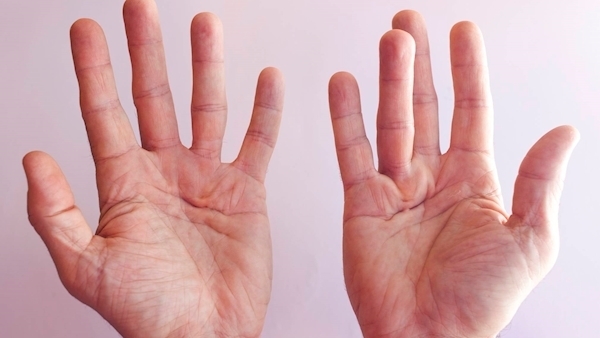
This sounds like a case of Dupuytren’s contracture, which differs from trigger finger due to the fact that the bent finger is unable to be pushed into a straightened position. Dupuytren’s, also referred to as palmar fibromatosis, causes the tissue across your palm to thicken and shorten — which is likely the reason why you are unable to straighten your middle finger.
It is important to act now, as this is a progressive condition where you can lose significant function if you are unable to slow the changes to the affected tissue. Unfortunately, the scientific community is still trying to understand how and why this affects certain individuals. What we do know so far is that it appears to be hereditary, and is more likely to occur in families where diabetes and epilepsy are present.
Alcoholism is another risk factor, causing the contracture to progress more rapidly. Recorded cases show that men are 10 times more likely to develop this condition than women, with the symptoms typically beginning in middle age.
Corrective surgery, followed by physiotherapy, is typically recommended to manage or treat this condition. Many health professionals are now trying a less invasive technique before resorting to surgery, by using an enzymatic injection of collagenase. The injection is delivered directly into the affected area to help soften and release the tough contracted tissue. N-acetyl cysteine (NAC) is essential for the production of the antioxidant glutathione, which acts to clear the body of toxins and is also useful in treating immune and respiratory disorders.
Research indicates that NAC supplementation may slow down or stop the thickening of Dupuytren tissue. It is unclear as to whether or not supplementation of NAC can prevent the need for enzymatic injections or surgery, however, it is useful to use alongside these treatments, particularly where the condition is more advanced or severe. The daily dosage of NAC is 1,500mg for this supplement for best effect.
There is a homoeopathic-based combination called Traumeel using a combination of 14 natural ingredients long used for their role in treating pain, inflammation, and supporting the healing process. It is available as a liquid supplement, tablets, a topical cream, and a topical gel.
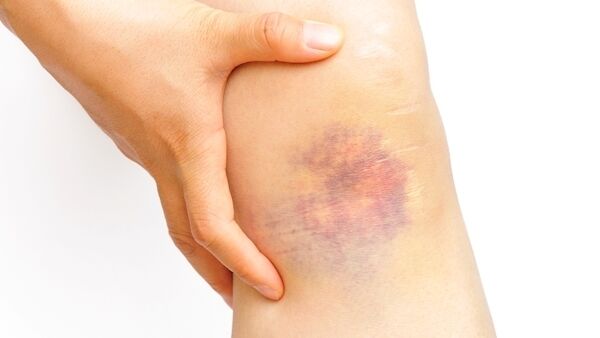
Calendula, comfrey, and arnica can also be found as herbal topical preparations. Arnica is wonderful for bruising, but should not be applied to broken skin. Calendula soothes and heals, and comfrey is well known for repairing bone and tissue when applied as a balm, cream, or poultice to sprains, strains, and fractures. It is thought that the anti-inflammatory protein allantoin, found in the leaves and roots of comfrey, stimulates the cells and promotes rapid healing.
Comfrey has been shown in trials to be at least as effective as anti-inflammatory preparations in reducing pain, inflammation and swelling. Since the pyrrolizidine alkaloids in comfrey may cause liver issues when high doses are taken over long periods of time, it is considered best for external use.
Internally, you could try the anti-inflammatory herb Boswellia serrata. Boswellia supplementation has been proven in clinical studies to be as powerful as ibuprofen and other over-the-counter pain relief.
If you are concerned about the appearance of the bruises, then you can use a natural preparation for varicose veins and haemorrhoids, such as Venaforce by A Vogel, to speed up the healing process and help the bruises to dissipate more rapidly.

CONNECT WITH US TODAY



Be the first to know the latest news and updates