Natural health: Christmas flu-like virus has left me exhausted; Improving heart health

I’m not surprised that you are feeling exhausted — any type of viral infection can really knock you around for some time afterwards. It is important that you take it easy; resting where possible and not pushing yourself too hard in order to avoid a relapse.
Loading up on nutrients is also essential for a full recovery. At this time of the year, you might want to eat plenty of soups, broths, stews, and slow-cooked meals. Juicing is a simple way to load up on nutrients, particularly if you include beta-carotene rich carrots, beetroot, celery, green apple, garlic, and fresh ginger root.
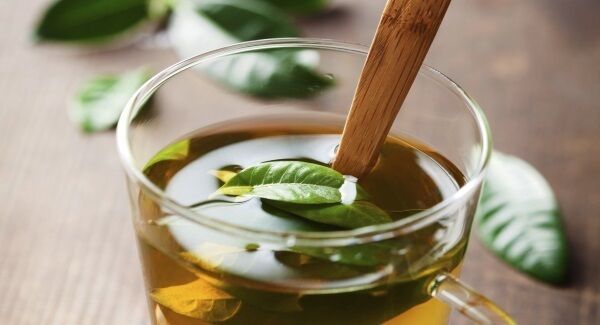
Herbal teas can help to support your immune system and improve your energy levels at the same time. Liquorice root tea is ideal since it provides adrenal support and is a great pick-me-up tonic. It is worth noting that large quantities of liquorice root should not be taken if you have been diagnosed with high blood pressure or a heart condition. Other anti-viral adaptogenic herbs you might like to include in your tea include astragalus root, Siberian ginseng, and echinacea.
Black elderberry (Sambucus nigrum) is particularly useful in fighting common infections. For best results, you will want to combine it with garlic and echinacea, as this combination has been shown to prevent ‘flu viruses from replicating.
Bee pollen can be taken to specifically address systemic fatigue and immune function issues. It is recommended to slowly work up to a dosage of 6g (one teaspoon) daily. Begin by ingesting a single small granule first to test for any extreme allergic reaction. Anybody with a known allergy to bees should play it safe and avoid bee pollen altogether.
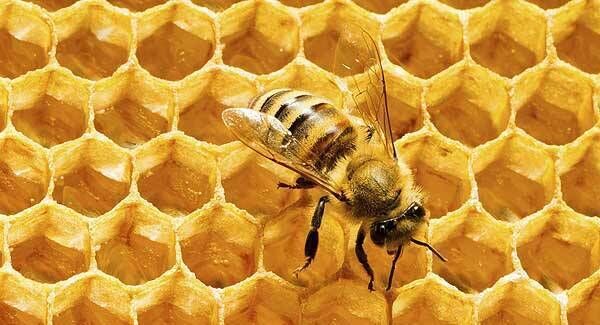
While bee pollen is a great source of free amino acids (available for immediate use by the body) and vitamin B12, it is worth taking into consideration the fact that a single teaspoon of pollen granules contains around 2.5 billion grains of pollen and takes a single bee an entire month to gather.
When you are looking into supplements after bypass surgery, it is crucial that you communicate with your doctor and pharmacist to check whether or not you are taking medications that will be affected by certain supplements.
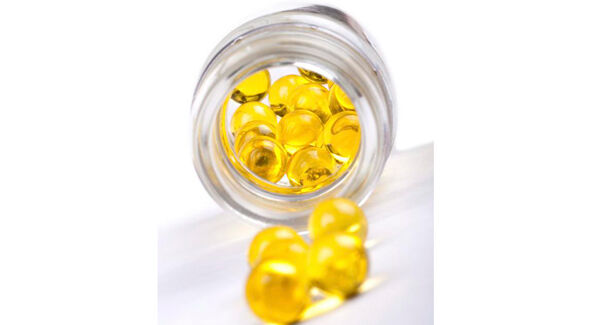
For example, supplementation with vitamins D, E, potassium, iron, magnesium, and zinc are typically contraindicated with anticoagulants such as warfarin. If your husband finds himself a naturopath or integrative medicine practitioner, then they will take a complete case history and make recommendations based on his current situation.
Most natural healthcare practitioners will be happy to work alongside your GP or specialist to achieve the best possible outcome.
Many people associate cardiac problems with high cholesterol and high blood pressure, in fact, there is a substance called homocysteine which has been shown as a far more accurate indicator of heart health.
Homocysteine is an amino acid produced in the body during the breakdown of methionine, which damages the artery lining by restricting the diameter and elasticity of the vessels.
Fortunately, it can be as easy as making a few key dietary changes to increase your body’s efficiency in breaking down such toxic substances through a process called methylation. In most cases, increasing your intake of oily fish (from an unpolluted source), eating plenty of seeds and nuts, and getting your five servings a day of fresh fruit and vegetables will all improve your homocysteine levels.
However, your husband’s health practitioner may suggest that he also supplement with vitamins B6, B12, and folic acid — all of which can significantly lower raised homocysteine levels.
CONNECT WITH US TODAY



Be the first to know the latest news and updates