Track and play: Olympians Marian and Rob Heffernan on importance of keeping kids active
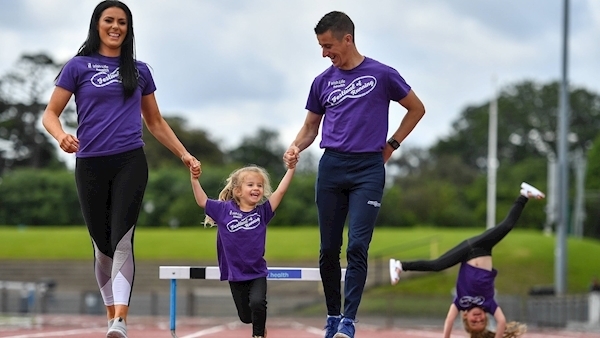
Physical activity is essential for children, Olympians Marian and Rob Heffernan tell . They also believe sport does not always have to have a competitive edge to get positive results
IRISH Olympians Rob and Marian Heffernan know more than most parents about the benefits of sport and how to get your children involved.
Robâs 16-year-old daughter Meghan now plays soccer for Cork City, as does the coupleâs eldest Cathal (14), while their two youngest, Regan (five) and Tara (four), are joyful bundles of irrepressible energy and giggles.
Rob needs little introduction as the 2013 World 50km racewalking champion and 2012 Olympic bronze medalist and Marian, a sports therapist, also competed at the London Olympics (4x400m relay) before coaching him, and is still the fifth fastest Irishwoman ever over 400m.
They admit they donât have all the answers about parenting and laugh at the irony of Meghan and Cathal, who were âhalf-reared on the side of a trackâ and involved in athletics clubs from the age of six, both turning to soccer in their early teens.
Having retired from athletics and working nine to five, they admit they sometimes must force themselves out the door and face the same daily struggles as every other beleaguered time-short family. But they feel strongly parents should set a good example and be particularly proactive about exercise. âEveryone has busy lives but you have to get out of that mentality. You still make time to eat so why not time to exercise,â says Rob. âYou still need a minimum of 30 minutes exercise every day so at least bring your kids out for that. Thatâs time you have together, itâs good time.â
Recent research, conducted as part of the launch of the Irish Life Health Festival of Running, which found 78% of parents who run regularly felt they were positive role models to their children and an example to them of how exercise improves mood.
Rob chuckles as they discuss the power of positive parenting. âYou wouldnât get a dog and not bring them for a walk so your kids have to exercise too,â he says with typical directness.
Heâs not defeated or distracted either by debates about screen-time and video games. âI think the screen thing is a rubbish excuse,â he adds. âYou can still leave them on the screens at night but get them out and let them run around for an hour or two. Cathal would be on the screens alright but heâs also out training every day, doing something physical.â
You have the tools to pick your kids up and put them in the car and âgo somewhere where thereâs no screens and just see what happensâ, says Marian.
Theyâll often make an impromptu trip to the park green or go early to one of Cathalâs matches to let their little girls run around beforehand. âItâs not formal or scheduled but these things can be made as simple or hard as you want,â says Marian.
âWhen you incorporate it into your lifestyle from an early stage it really helps.â
Theyâre not surprised by research that shows just 20 minutes of aerobic exercise â like running â can improve mood and reduce anxiety levels for several hours afterwards. Rob says he feels down if he goes more than three days without exercise, even though heâs no longer competing and just running for fun and his health.
This is backed by a study which found two that thirds of runners are motivated to lace up to boost their mental health, especially outdoors where research shows just five minutes of running in a green space can positively affect mood and self-esteem.
As parents of teenagers who are now involved in high-level sport, how do they help them to cope with the inevitable highs and lows? And what do they think of calls for school sports days to be non-competitive, where everyone gets âparticipation medalsâ?
Though highly competitive and successful elite athletes, the Heffernans donât dismiss this out of hand. âA kid asked me the other day, âDid you prefer taking part or winning?â and it was a great question because the lines are blurred sometimes,â Rob says. âWhen I was an athlete, I only wanted to win but now I exercise to take part and enjoy it and donât care about winning.
âPeople need to realise that training to win, and training to take part, are very different. Some people are naturally competitive, but everybody needs to take part.â
Sports days donât have to be all about first, second and third, says Marian. âIf schools are bringing in a non-competitive model, then change the dynamic of it completely. We were in Australia training once and saw a really good system. The kids all had âPersonal Bestâ cards. They could do the shot putt one week and run or jump the next and theyâd go off and train and come back to it. They had a lot more kids competing because they had âI got my PB hereâ or âI got better at thisâ. They were competing with themselves. When the focus isnât on first, second and third, it can work.â
âI do think itâs wrong when parents say every kid is âgreatâ when theyâre not,â Rob says.
âBut itâs not all about winning. Itâs about bettering yourself, so we always talk to them about doing their best and, if theyâve underperformed, where can they get better? What do they need to work on? We donât talk about winning.â
They also believe âhelicopterâ parents have to step back sometimes, especially in sport which has huge potential to help children develop resilience in this high-anxiety age.
âOf course itâs your natural instinct to worry about them,â Rob acknowledges. âYou know they could fall over and get hurt but you just have to let them off.
âAnd you have to let them get hurt in other ways too sometimes. Like, Cathal just got some great news recently â that heâs been invited to Abbotstown for Irish U15 (soccer) trials.â
But, two years ago, the teenager wasnât sent for Cork trials by his club. âWe had to leave him be disappointed and hurt and see how he reacted. We canât come in as parents and challenge that decision. Only time will test it. They have to go through disappointments sometimes.â
Now working for Bank of Ireland as a schoolâs ambassador, helping children to gain physical and financial literacy, this includes a âRun a Mile with Robâ initiative. âI say to them âright, all stay behind me now, this isnât a race! We just want to get out and move today,â and then, later, Iâll say âIf you want...â and some of them are already gone past me,â he laughs. âBut that takes the pressure off the rest of the kids. They have a legitimate excuse not to compete because I told them not to. Theyâre gently getting involved and the joy they get from walking or running a mile, improving and having fun with that is brilliant.â















