Working life with Dr Margaret Dunne, research assistant professor/cancer immunologist, Trinity College Dublin
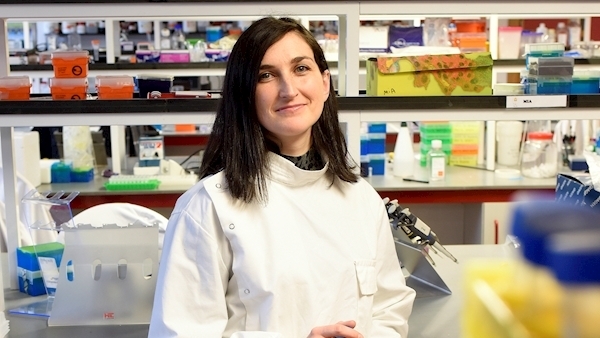
I haul myself out of bed and cycle to work from Grand Canal Dock to the Trinity Translational Medicine Institute, James’s Hospital.
I tackle the inbox and plan out the day and check deadlines. Our biobank team liaise with staff at St James’s Hospital to collect any blood and tissue samples for research. I check in with them in the morning to see if there are any samples that I can begin experiments on.
I catch up with the team in the department of surgery. We research different areas, such as drug development, obesity and biomarkers, but we all share a common goal of trying to improve the lot of patients with gastrointestinal cancers.
Our meetings often run over into tea breaks, since some of the best science is done over a cuppa.
My own research examines how immune system dysfunction can drive cancer, and whether immune markers can predict which patients will respond to treatment with chemotherapy or radiotherapy. This treatment is given to try to shrink tumours of the oesophagus before surgery, but not all patients respond. We are interested in why this is, and what role the immune system plays.
I attend a lunchtime talk, where researchers from all over the world tell us about their research. It’s a good way to hear about new developments and meet other researchers.
Today I am lecturing TCD students who are studying for a masters in translational oncology.
I have some prep work to do for an upcoming seminar called “AWARE for All”, an educational event taking place at the TTMI, St James’s Hospital, on December 5. It’s basically an opportunity for the public to learn what clinical trials are, how they work, and how they inform public health, while also being advised about the safety,
benefits and risks of participation. It’s free of charge and anyone interested in registering can do so at www.awareforall.org
I do a lot of reading and writing in the evenings, writing research articles, grading exam papers, and preparing for conferences or fundraising events. I try to finish at 6pm, but if more patient samples arrive, I stay put.


CONNECT WITH US TODAY



Be the first to know the latest news and updates