Writer Allan Jenkins reaps the benefits of being an early riser
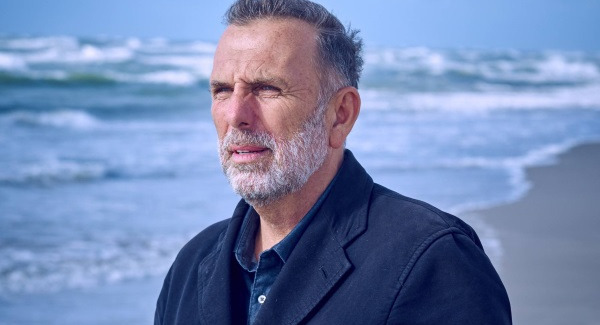
YOU canât say Allan Jenkins doesnât practise what he preaches. Itâs 10.30am when I ring him to talk about his new book, Morning â How to Make Time: A Manifesto, which examines the many benefits of rising in the early hours. Iâm on my second coffee of the day and eager for insights on how I can transform myself from a night owl into a lark. When I ask him what time he got up at, he laughs.
âHonestly ⊠I didnât do this particularly for you but I was at my allotment at about 4.30am this morning. I know it sounds crazy but Iâve been away for a few days and there was a lot of stuff to do.â
Jenkins, who is editor of the esteemed Observer Food Monthly magazine, has previously written the acclaimed Plot 29, a memoir/diary about the therapeutic effects of gardening in his London allotment. In his latest book, he speaks to well-known early risers, neuroscientists, poets, painters and philosophers about dawn and morning, a time of the day he believes should be treasured.
âThere is something magical about it. For me, mornings are like Narnia. Most people get up timed to when they have to leave the house or get the kids out. You start off chasing the day.â
According to Jenkins, modern society has evolved to a stage where, because of the lure of technology, we donât even know when or how to switch off.
âWhen we were kids, we knew what time we had to go to sleep. Our parents would tell us, or the BBC â it would shut down at 10pm, it was almost saying âthatâs it, you all go to bed now, like good childrenâ. Now, we are so connected â and disconnected at the same time, it seems â we donât know when to go to bed anymore. That means we sleep in different ways. I decided I didnât really want to be looking at my phone at 1am in the morning or watching Netflix.â
When Jenkins decided to change his schedule, going to bed by 10pm, and getting up before sunrise, it transformed his life.
"There is a quiet and wonder about being awake when the rest of the world is asleep. My energy is different â if I write at that time of the day, it comes cleanly, quickly and clearly. For other people, they might want to paint, write a poem, or even just get up and cook ⊠take that time for you, because you are not taking it out of anyone elseâs time."
Itâs also fitting that Iâm talking to Jenkins the day before the summer solstice. This is the best time to make the most of the day, he says â the sun is shining and Mother Nature is very much in tune with his manifesto.
âAt the moment, the blackbirds would have you awake at 3am if you wanted to be, anyway. In a monthâs time, we will have lost an hour of light a day. If I just get up and go to work, I will have lost something that seems to be essential to who I am. I visited northern Norway, and they sleep a lot longer in winter than they do in summer. Light gives you a certain amount of energy. When it is dark and gloomy, you feel more sleepy and want to stay at home.â
Jenkins says that getting up in the early hours can also help ease anxiety, as there is no-one around to make demands on you or your time.
I spoke to Jamie Oliver for the book; he gets up early because it is the only time he can just be. He has staff who run his diary for him.
Jenkins is not advocating that we all pack more work hours in the day âjoining the alpha bankers and businessmen at 4am while the rest of us sleepâ. He suggests trying to rise early once a month or every few weeks at first.
âPeople say they donât have time but the truth is they do, they choose not to. Iâm not telling everyone to get up at 4am in the morning, the world would go mad. Also, I wouldnât enjoy it because theyâd all be around, in my way,â he laughs.
Jenkins also points out the obvious benefits that these stolen hours have for mental health.
âIt definitely makes me less anxious. If I donât get up and do something, I just start looking at the news, and at the moment, itâs just unbearable.â
Jenkins is referring to events in the US, and the distressing dispatches from migrant camps filled with babies and children separated from their parents. These have particular resonance for Jenkins, who spent time in an orphanage and in care as a child, an experience he wrote about in his first book, Plot 29.
âThatâs why Iâm sensitive to it. In my Barnardos records, which I only found about 18 months ago, it said that the day I went into the orphanage, I was 23 inches long â I got a ruler to measure it, thatâs not so long. It also describes my demeanour; it said âcontentedâ. I thought, how lucky am I that I could be taken away from everything I knew, that I held dear, everything that would smell of comfort, and be put in a long room with rows of cots and I could find contentment.â
The records also revealed the identity of Jenkinsâ birth father, who lived in Liverpool and was of Irish descent. He says that this made sense to him as he has always felt a deep connection with Ireland. He is looking forward to visiting Bantry for the West Cork Literary Festival, where, aptly, he will host what is presumably the earliest event at the festival â an 8am walk before coffee at Bantry House.
In his guise as a food editor and writer, Jenkins is well acquainted with the culinary charms of the county. He speaks fondly of the late Myrtle Allen, whom he visited at her home in Ballymaloe late last year.
âIâd heard she was unwell and we went over and saw her in December. I was really glad I did. She was the mothership of modern Irish food.â
He is a big fan of the pioneering plant scientist Madeline McKeever, founder of Brown Envelope Seeds, who sends organic vegetable seeds all over the world from her farm in west Cork. Jenkins has also eulogised the farmerâs market in Skibbereen in Observer Food Monthly, calling it the best small food market in the world and writing: âWorthwhile travelling hours for, whatever the weather.â
Jenkins says he is not evangelical about food and decries âpoverty shamingâ; âI never tell people what chickens they should buy. I never say organic or even free-range, I say the best chicken you can afford. Iâm not in the business of making any families feel inferior. It is about the best you can do.â
However, he does take pride in the fresh produce his allotment produces.
âIâve always been lucky with gardening, stuff grows for me. It sounds odd but Iâve always had quite good hands. I do put in the work though. This morning I brought home some leaves and broad beans that I will cook, along with some fish I got in the fishmongers, which was open at 6am. I will eat like a king this evening. You could to go to Scottâs [famous Mayfair restaurant] and pay a fortune and it still wouldnât be as good as this.â
AS well as nourishment, gardening offers escape from his hectic work life.
All the other areas of my life are based on logic and budgets and all that. Iâve run teams of people for quite some time now and today I have a meeting with sponsors for a big awards thing for the magazine. The gardening is freeing. There is something about looking after plants and being surrounded by green ⊠taking care of something takes care of you.
It all seems like common sense but maybe thatâs something weâve lost too along with our ability to shut off. I tell Jenkins that I feel Iâm fighting a constant battle with my smartphone, the eternal scroll sucking my attention and energy. Jenkins urges people not to look at their phone when they get up in the morning. He also suggests staying away from Twitter, and sticking with real-life âtweetsâ instead.
âDonât look at your phone when you get up â free yourself from it. We are tethered to our phones, like a goat to a stake. Go to bed at 11am, donât watch Newsnight or go on Twitter. Get up early, when the birds are awake, it really is healing.â















